Kalshi’s Co-Founders Are Charged With Felony Gambling Counts in Utah
Utah just hit Kalshi's two founders with felony gambling charges, and every investor watching Robinhood needs to understand what a state criminal case against a key partner actually means for the platform's future.


A Utah investigator spent $114 over two weeks on sports event contracts. The state now says that activity supports felony charges against two of the best-known founders in financial technology.
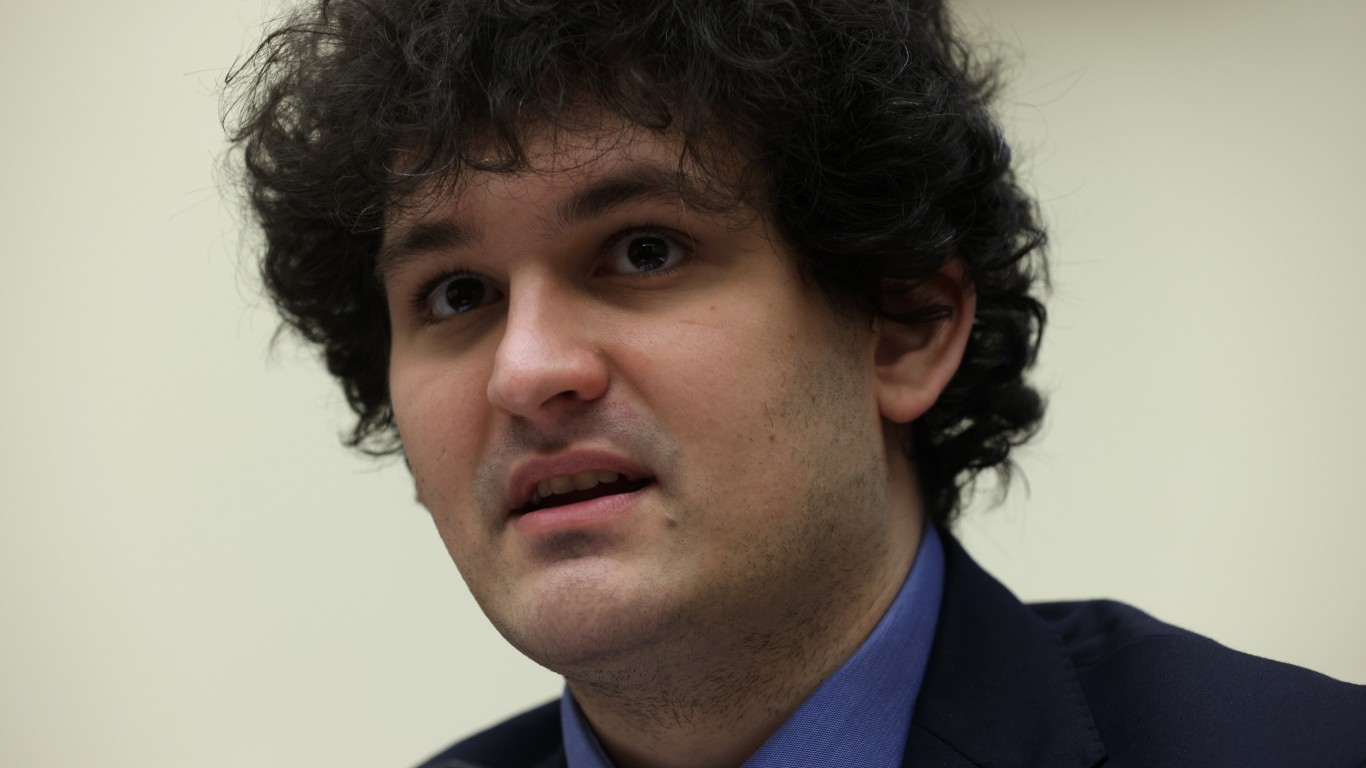
On October 28, 2026, Utah Attorney General Derek Brown’s office filed 14 criminal charges in state court in Salt Lake City against Kalshi (KalshiEx LLC), its CEO Tarek Mansour and COO Luana Lopes Lara. These are claims only. Kalshi called the case “a crazy overreach; Utah is clearly playing politics.”
Kalshi is private, so the public read-through runs through Robinhood (NASDAQ:HOOD | HOOD Price Prediction), which offers Kalshi contracts and is not charged or named in the case. Shares closed at $91.43 on October 28, down 3.31% after third-quarter results, and traded at $90.15 after hours. No data ties either move to the charges.
The stock is down 21.49% over the past month and 19.16% year to date, which raises the question of whether Utah adds a new risk for the stock.
What Utah Actually Filed Against Kalshi
The case includes one count of pattern of illegal activity, a second-degree felony, 12 counts of online gambling promotion, and one class A misdemeanor. That totals 13 felony counts, and both founders received summonses to appear.
An investigator opened a secret account on September 13, 2026, under a Utah identity and bought a dozen sports contracts over 11 days. One was a $5.00 position on Utah covering 27.5 points against Utah State; Utah won by 36, and he collected $4.13.
The charges say Kalshi took fees of 3 cents to 78 cents per transaction. Those tiny amounts matter because each fee helps build a promotion count, and the criminal filing followed a 63-page civil suit alleging Kalshi made $30.5 million to $61.1 million from Utah accounts. Fines are a routine expense for large platforms, but personal criminal exposure for founders can change how banks, partners and investors treat a platform.
How Much Robinhood Leans on Kalshi
Robinhood users made up nearly a quarter of Kalshi’s trading volume in March. Even so, prediction markets sit inside an “Other Transaction Revenue” line of $156 million against total second-quarter revenue of $1.308 billion.
Robinhood is also moving flow away from Kalshi. Its finance chief said on the October 27 call that “Rothera will be our primary exchange,” referring to the platform Robinhood runs with Susquehanna, and non-sports contracts reached about 30% of activity. That reduces dependence on one partner, although a state theory aimed at sports contracts sold to Utah residents could reach any exchange.
Federal Courts Will Settle This Fight
The CFTC sued Utah on October 27 to block state enforcement. A federal judge enjoined Arizona’s criminal case against Kalshi, though Arizona is appealing, and Judge Robert J. Shelby ruled in August that Utah’s gambling laws apply to Kalshi’s sports contracts.
New Jersey asked the Supreme Court in September to decide who has jurisdiction. A federal win keeps sports contracts national; a state win turns them into a state-by-state problem and could make Robinhood’s non-sports contracts more important to its business.
Where Utah’s Charges Leave HOOD Stock
Utah charged Kalshi; Robinhood’s prediction revenue remains a minority of the business, and Rothera gives it a path that depends less on any single partner.
The monthly slide likely reflects some regulatory worry. A stronger case would require a second state filing criminal charges that name a distributor.

The key event to watch is the ruling on the CFTC’s request to block Utah. If a court denies it, or if HOOD closes below its October 28 after-hours level of $90.15 after that ruling, the bullish case weakens.
Contact [email protected] for any questions or corrections.
Omor Ibne Ehsan is a writer at 24/7 Wall St. He is a self-taught investor with a focus on growth, cyclical, and dividend equities that have strong fundamentals, value, and long-term potential. He also has an interest in high-risk, high-reward investments such as penny stocks.