OpenAI’s CEO Thinks Your Laptop’s Memory Should Be in a Data Center
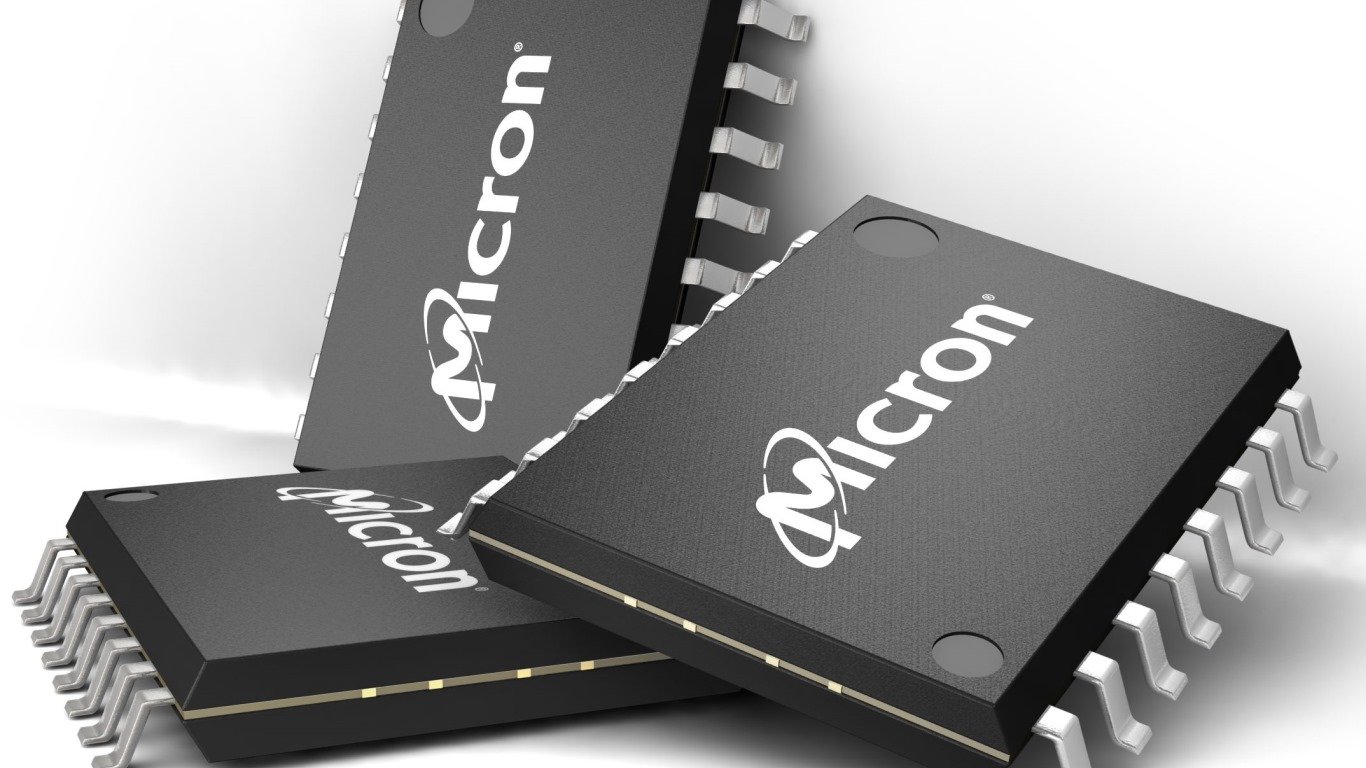
Sam Altman just told the world that memory chips in your laptop are a waste, and his argument has Micron investors watching their screens and wondering which side of the trade benefits most.


Sam Altman, OpenAI’s chief executive, argued on the Cheeky Pint podcast episode published October 29, 2026, that the world’s scarce memory chips belong in data centers instead of in personal machines. Speaking with Stripe co-founder John Collison, he said: “It’s quite terrible to have everybody have a bunch of the world’s limited supply of DRAM sitting in their own computer.”
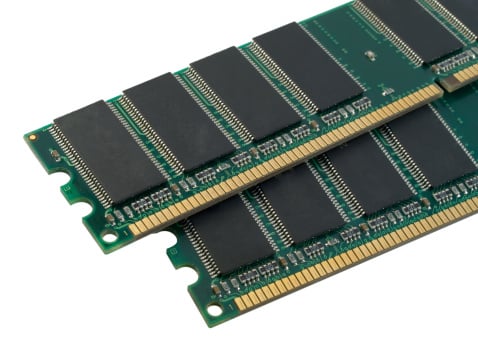
DRAM, or dynamic random access memory, is the working memory every computer and server needs. Altman said personal devices use memory about 5% of the time, and that “you want maximum utilization in the cloud if you’re trying to deal with this very supply-constrained environment.”
He stated an opinion as one of the largest buyers of data center memory, without a product plan, contract, or timeline attached.
Micron Technology (NASDAQ:MU | MU Price Prediction) fell 5.30% on October 30 to close at $884.74, a market value of about $1.00 trillion, during a broad pullback in large technology stocks. Shares traded at $889.00 after hours.
What Altman’s Memory Argument Covers
His case is about allocation while supply is tight. Memory sitting idle in a personal device is capacity a shared server could use, which runs counter to the industry push to sell AI-ready PCs that run models locally.
He also explained why memory makers were slow to build. Producers would previously “invest $20 billion of CapEx to make $19 billion,” and they “almost went bankrupt by making too many fabs.” Now, he said, “these guys are each going to make like $100 billion of free cash flow in a year.”
On AI capacity, he picked an example five-year cost of $70 billion per gigawatt and said: “if that number were 20 instead of 70, we should be much happier.” He framed that figure as a buyer’s wish.
How Micron’s Segments Line Up
Micron sells on both sides of this argument. In fiscal fourth-quarter 2026, Cloud Memory brought in $16.283 billion and Core Data Center $18.002 billion, against $13.114 billion from Mobile and Client.
A shift toward the cloud would move bits into Micron’s larger segments, and management said: “we can run them on the same lines.” Guidance for fiscal first-quarter 2027 revenue of $61.5 billion ± $1.5 billion already shows that tilt.

Why the Buyer’s Pitch Deserves Skepticism
OpenAI wants a lower cost per gigawatt, and memory is one component. Pooling DRAM in the cloud would also focus purchasing power in a few large buyers facing a few suppliers.
PC demand is already soft. Microsoft (NASDAQ:MSFT) reported that Windows OEM and Devices revenue decreased 22% in its fiscal first quarter. For its part, Intel (NASDAQ:INTC) cited “current industry-wide substrate and memory shortages” as a supply risk, and its finance chief sees “the PC slowdown continuing at least through the first half of next year.”
The larger risk is the cycle Altman described. Micron’s finance chief said new construction spending “doesn’t translate into bits,” but that discipline holds up only while every producer keeps it.
What Micron Investors Should Track Next
Micron likely benefits if the industry follows Altman’s logic, because memory would move toward data center products, where Micron posted an 87.0% non-GAAP gross margin last quarter.

Management has “more than 75% of our shipments committed for the year,” it said. That limits how quickly a powerful buyer can push prices down.
The stock trades between its 52-week low of $192.59 and high of $1,255.00. Expectations remain high, and an overbuilt industry would likely push the shares lower.
Watch the next earnings report, estimated for December 16 and not yet confirmed. If revenue lands below the guided range, or Mobile and Client decline without a data center offset, the bullish thesis would need rethinking.
Contact [email protected] for any questions or corrections.
Omor Ibne Ehsan is a writer at 24/7 Wall St. He is a self-taught investor with a focus on growth, cyclical, and dividend equities that have strong fundamentals, value, and long-term potential. He also has an interest in high-risk, high-reward investments such as penny stocks.