Americans Are Turning to Buy Now, Pay Later for the Holidays, and Trouble Paying Is Already Brewing
Millions of shoppers are stacking holiday installment loans on top of debts their lenders cannot even see, and the first signs of financial strain are showing up somewhere most Wall Street analysts never look.


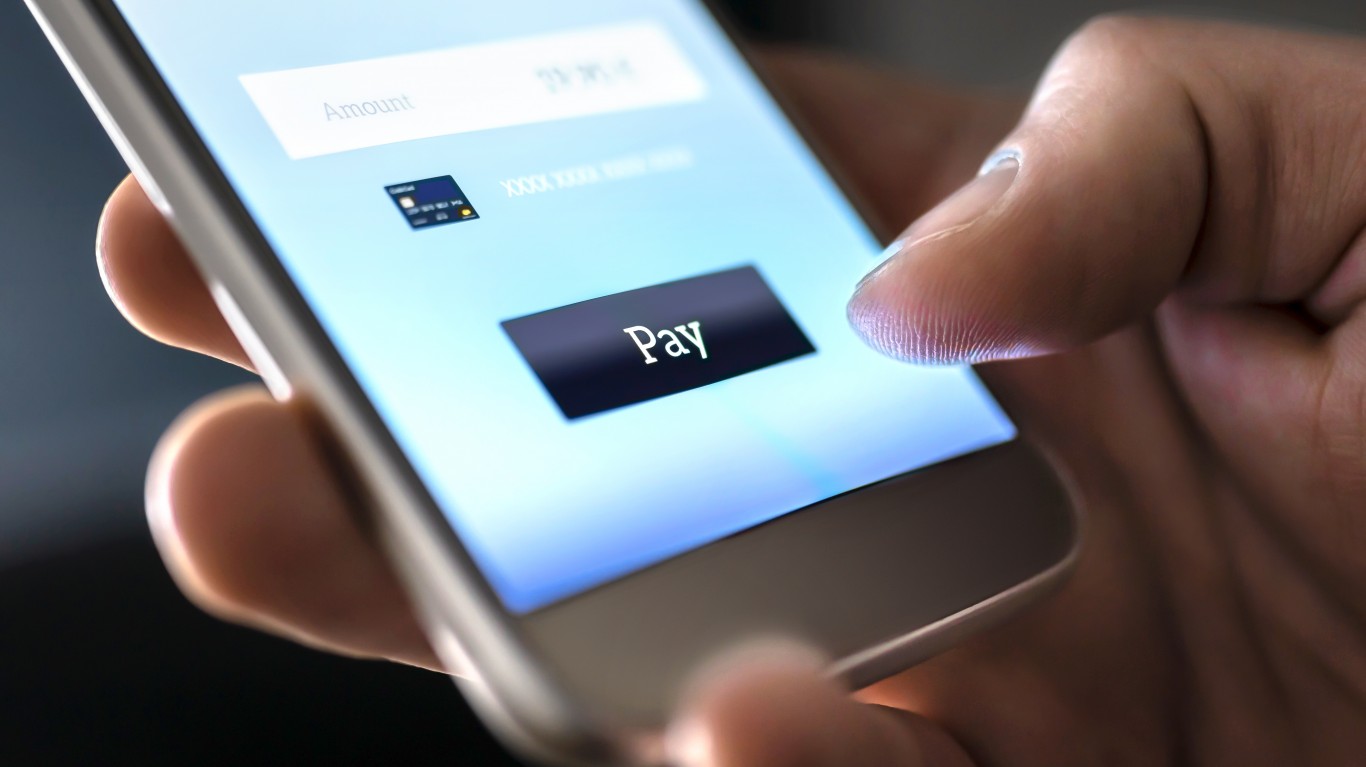
More than a third of Americans planning holiday purchases intend to pay in installments, and many already expect to fall behind. A NerdWallet survey with Harris Poll conducted September 8 to 10 found that 38% of holiday shoppers expect to use buy now, pay later (BNPL) plans. Of those planning to use BNPL, 38% expect they won’t make every payment in full and on time.
These shoppers are heading into the season in a down mood. The University of Michigan’s consumer sentiment index fell to 48.1 in September. That was down 3.6 points from August and below the 60 level associated with recessions. In a study sponsored by the Electronic Transactions Association, 44% of consumers said they feel more financially stressed than last year, up from 27% in the previous survey.
Holiday installments will pile on top of loans that most lenders cannot see. The first signs of strain will show up in checking accounts long before they reach the credit data Wall Street tracks.
Cash App Shows How Fast App Lending Is Growing
Block (NYSE:XYZ | XYZ Price Prediction) gave a fresh read on the scale when it reported third-quarter results on November 3. Its consumer lending originations reached $19.0 billion, up 40% from a year earlier. Cash App had 60 million active users in September, and Afterpay Post-Purchase volume more than tripled.
Growth has slowed from 82% in the first quarter and 59% in the second, but Block is getting ready to push again. Management expects to resume raising Borrow limits. The average Borrow limit is about $300, against a maximum of $1,500.
Block is one player in a much bigger shift. Federal Reserve researchers estimate that six major fintech providers issued $156.7 billion in U.S. consumer credit in 2025. Pay-in-four volume was up nearly 80% from 2023.
Lenders Are Approving Loans With Part of the Picture
The Fed’s August 2026 research found that most BNPL lenders don’t report these loans to credit bureaus. That leaves every lender, including the card issuer approving a holiday credit line, guessing at what a borrower already owes. Overlapping loans are common. The Consumer Financial Protection Bureau (CFPB) found that 63% of BNPL borrowers had more than one loan at a time in 2022, and 33% were borrowing from more than one company. TransUnion (NYSE:TRU) began sharing limited BNPL data with one lender partner in October, but it says the data still falls short of a complete view.
That blind spot explains why traditional measures look calm. The share of credit card balances at least 30 days past due fell to 2.85% in the latest quarterly reading, down from 3.08% in late 2024. Yet CFPB research shows that BNPL borrowers are much more likely than non-users to carry credit card balances from month to month and to rely on overdraft, payday, and pawn loans.
Late payments have held steady. The Fed found that slightly more than one-quarter of BNPL users paid late, essentially unchanged from the year before. But 11% said a payment triggered an overdraft or insufficient-funds fee. That is a cash squeeze, and it hits families before it hits lenders.
What to Watch When Holiday Bills Come Due
A typical pay-in-four loan runs about six weeks, so Black Friday purchases come due in January, along with rent and the post-holiday card statements. Demand keeps rising. In the October 2 to 9 survey from LendingTree (NASDAQ:TREE), 52% of Americans expected to apply for a BNPL loan within six months, up from 46% in September.
The real test comes with Block’s fourth-quarter report. Management expects growth in transaction and loan losses to slow in the fourth quarter. If that holds while Borrow limits rise, app lenders have priced holiday risk correctly. If losses speed up again, the strain consumers reported this fall will have reached the lenders too. Also watch whether TransUnion extends BNPL reporting beyond a single lender. Until it does, most holiday installment debt stays out of view.
Contact [email protected] for any questions or corrections.
After two decades of patrolling the dark corners of suburbia as a police officer, Rich Duprey hung up his badge and gun to begin writing full time about stocks and investing. For the past 20 years, he’s been cruising the markets looking for companies to lock up as long-term holdings in a portfolio while writing extensively on the broad sectors of consumer goods, technology, and industrials. Because his experience isn’t from the typical financial analyst track, Rich is able to break down complex topics into understandable and useful action points for the average investor. His writings have appeared on The Motley Fool, InvestorPlace, Yahoo! Finance, Money Morning, and, of course, 24/7 Wall St. He has been featured in both U.S. and international publications, including MarketWatch, Financial Times, Forbes, Fast Company, and USA Today.