SanDisk Slides 7%, Micron and Western Digital Fall 5% as Lawmaker’s Call for AI Pause Extends Memory Rout
A single post on X from a freshly empowered Democrat is rattling the AI trade. Memory and storage stocks that rode data center demand to record quarters now face a policy threat, and one name is bleeding the most.

This post may contain links from our sponsors and affiliates, and Flywheel Publishing may receive compensation for actions taken through them.
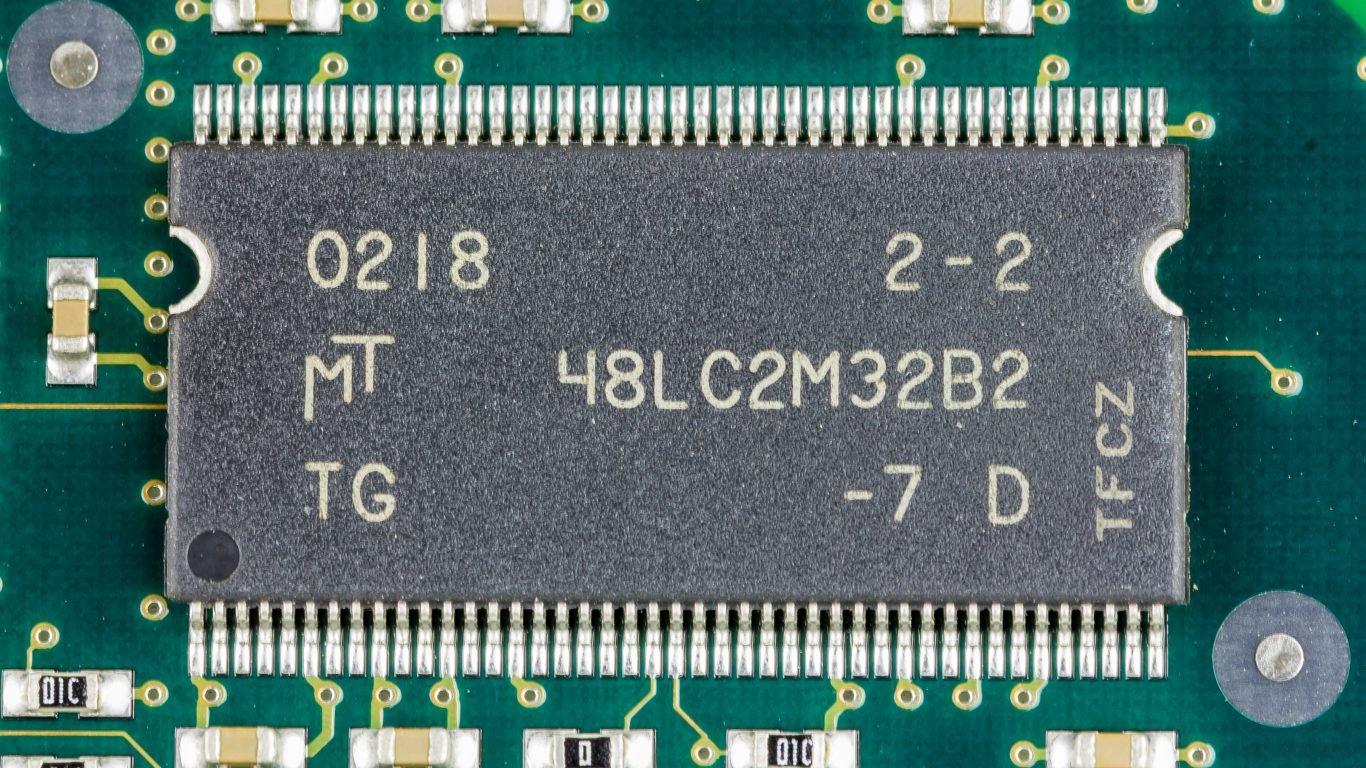
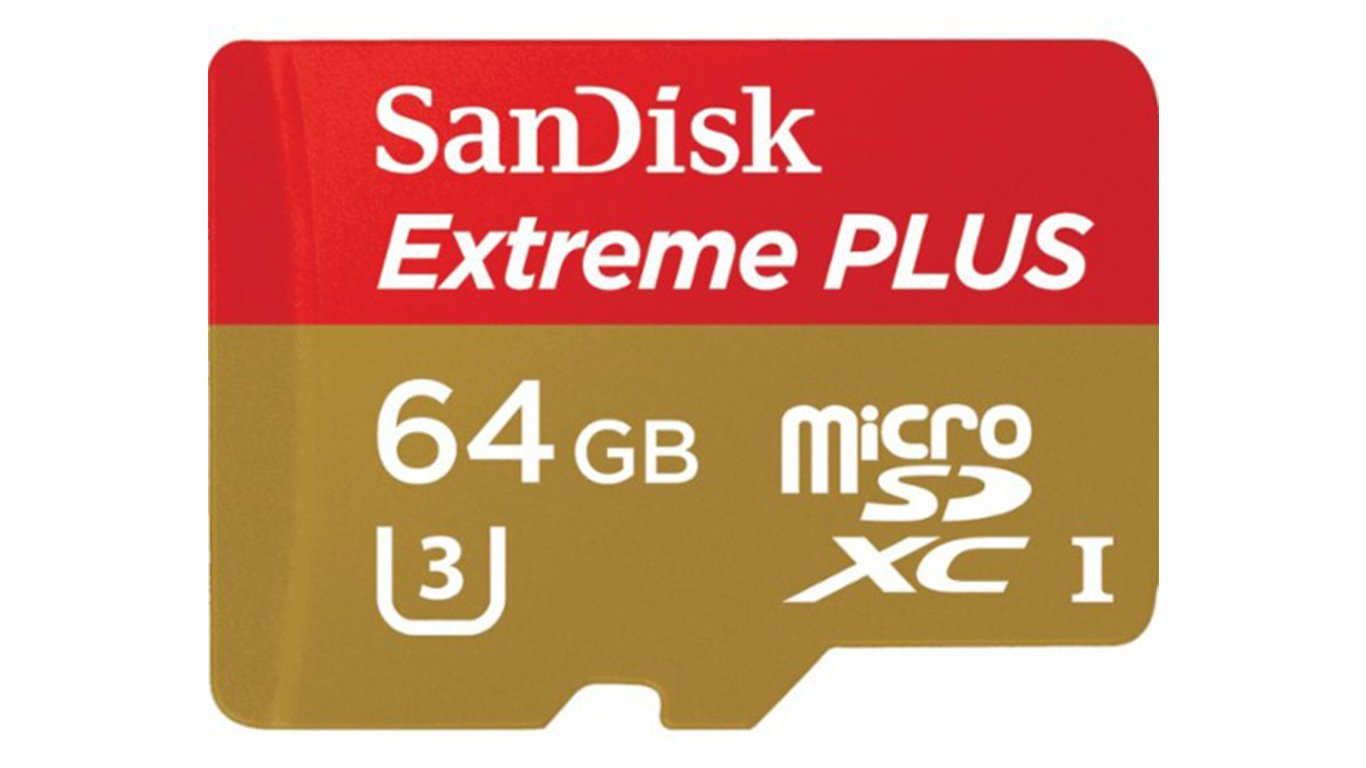
Selling in memory and storage stocks is stretching past the post-election slip, and SanDisk (NASDAQ:SNDK | SNDK Price Prediction) is leading the group lower. SanDisk stock is at $968.17, down 7% in morning trading. That decline comes after the company’s October 29 report of Q1 FY2027 revenue of $11.03 billion, which beat estimates for a sixth straight quarter.

Memory giant Micron Technology (NASDAQ:MU) is slip alongside SanDisk. Micron stock is at $757.15, down 5%. Hard drive maker Western Digital (NASDAQ:WDC) is under pressure too. Western Digital stock is trading at $307.80, down 5%.
Each of the three is extending the November 4 selloff tied to election results and memory price worries, and SanDisk is falling the hardest. The group has ridden AI infrastructure demand to record results, so a policy headline that threatens that spending cycle tends to hit every name at once.
Why a Democratic Congress Is Rattling AI Memory Stocks
Democrats won control of both chambers of Congress in the November 3 midterm elections. That gives the party full control for the first time since 2023. Arizona Rep. Yassamin Ansari raised the policy stakes in a November 4 post on X, writing, “Top of the Democratic agenda on day 1 needs to be a pause on advanced AI development, regulation of this out of control industry, and a ban on artificial superintelligence.” For SanDisk and its peers, that language takes direct aim at the AI infrastructure spending behind their recent results.
Campaign messaging from Democrats has pushed data center operators to cover their own power and infrastructure costs and meet tougher environmental standards. Market participants expect new rules could slow the data center expansion that drives demand for products from SanDisk, Micron and Western Digital (we profiled seven of the power, cooling, and networking suppliers riding that same expansion in a free report). A Colorado General Assembly staff memo notes that data centers are the largest driver of U.S. electricity demand, citing a Grid Strategies load growth report.
SanDisk’s data center revenue reached $4.80 billion in Q1, up 61% sequentially on AI infrastructure demand. That growth ties the company closely to the expansion lawmakers are now questioning.
How Micron and Western Digital Stack Up Against SanDisk
Micron’s pullback is softer than SanDisk’s slide. On its September 30 call, the memory maker disclosed more than 75% of its fiscal 2027 shipments are committed, backed by 26 strategic customer agreements covering dynamic random-access memory (DRAM) and NAND through 2030. Executives added, “We really don’t have line of sight to when supply and demand balance.”
Western Digital is falling by a similar margin to Micron. In an October 22 call, CEO Irving Tan said the hard drive maker has “good visibility up to 2030, 2031” across its top seven customers.
Seagate Technology (NASDAQ:STX), another big hard drive maker, shares similar exposure. During the October 27 call, Seagate CEO Dave Mosley noted “the vast majority of our nearline exabyte supply is now allocated under long-term supply agreements through calendar 2028.” SK Hynix (NASDAQ:SKHY), a leading supplier of high-bandwidth memory (HBM) for AI chips, is also exposed to the same AI spending cycle.
SanDisk’s NAND Focus Sets It Apart From Memory and Hard Drive Peers
SanDisk is a pure-play NAND flash company that sells solid-state storage into data centers, edge devices and consumer products. Speaking on the October 29 call, CEO David Goeckeler stated “NAND is the most scalable semiconductor technology,” and management argued that AI inference is widening NAND’s role as longer prompts and reasoning workloads pile up context that has to be stored.
Micron covers DRAM, HBM and NAND, which ties its results to both AI accelerators and general servers. Western Digital and Seagate sell high-capacity hard drives, mostly to hyperscalers storing the mass of data that AI and cloud services create. SK Hynix leans heavily on HBM for AI chips.
Those differences could shape how a regulatory push lands on each company. A slower U.S. data center build might weigh most on SanDisk and Micron, while the hard drive makers’ long-term contracts could buffer near-term demand.
What Comes Next for SanDisk and the AI Memory Selloff
SanDisk’s next test is whether talk of an AI pause becomes actual legislation. Another is whether chip stocks find their balance once regular trading begins. Futurum Group CEO Daniel Newman offered a contrast on X, writing, “Spoke to a few large semiconductor and infrastructure CEOs and consensus is if the build slows in the U.S. the demand outside the U.S. is more than sufficient. Forecasts remain intact. Location is now fungible.”
Rules that raise power costs or slow permits are viewed by bears as a direct threat to the AI spending behind record quarters at SanDisk, Micron and Western Digital. Multi-year customer agreements, tight supply and demand outside the U.S. give the bulls their own case. Investors might be wise to stay cautious until the debate over AI regulation in Congress settles.
Contact [email protected] for any questions or corrections.
David Moadel is financial writer specializing in stocks, ETFs, options, precious metals, and Bitcoin. David has written well over 1,000 articles for leading online publications, helping investors understand markets, income strategies, and risk.His work has appeared in The Motley Fool, InvestorPlace, U.S. News & World Report, TipRanks, ValueWalk, Benzinga, Market Realist, TalkMarkets, Finmasters, 24/7 Wall St., and others.With a master’s degree in education, David has taught at the elementary, high school, and college levels. That teaching background shapes his writing style: clear, educational, and practical. David has also built a loyal social-media audience by providing trustworthy financial content on YouTube, X/Twitter, and StockTwits.