JetBlue Surges 14% as Oil Prices Slide; American Airlines and Delta Gain 7%
Oil's sharp slide is sending airline stocks soaring, but one carrier with no fuel hedges and a turnaround still in progress stands to gain or lose far more than its rivals depending on what happens next.

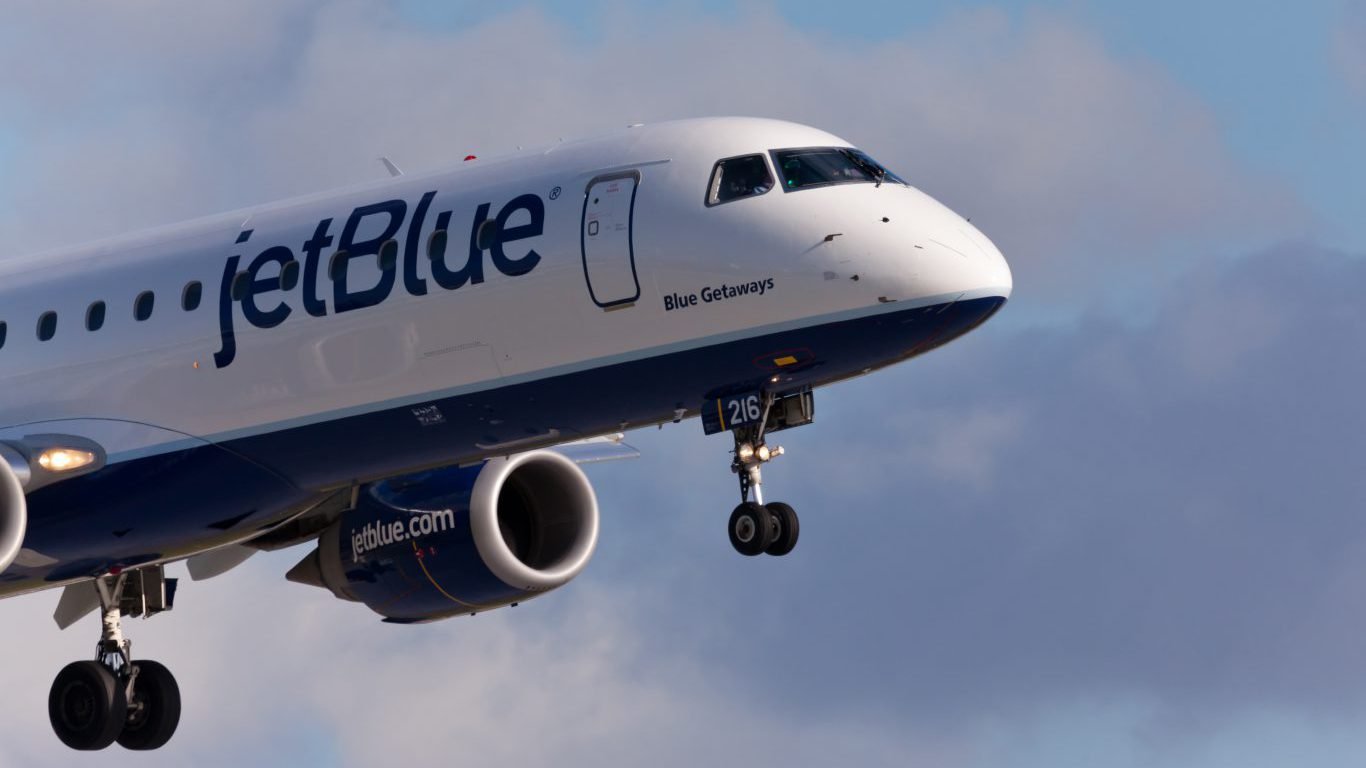
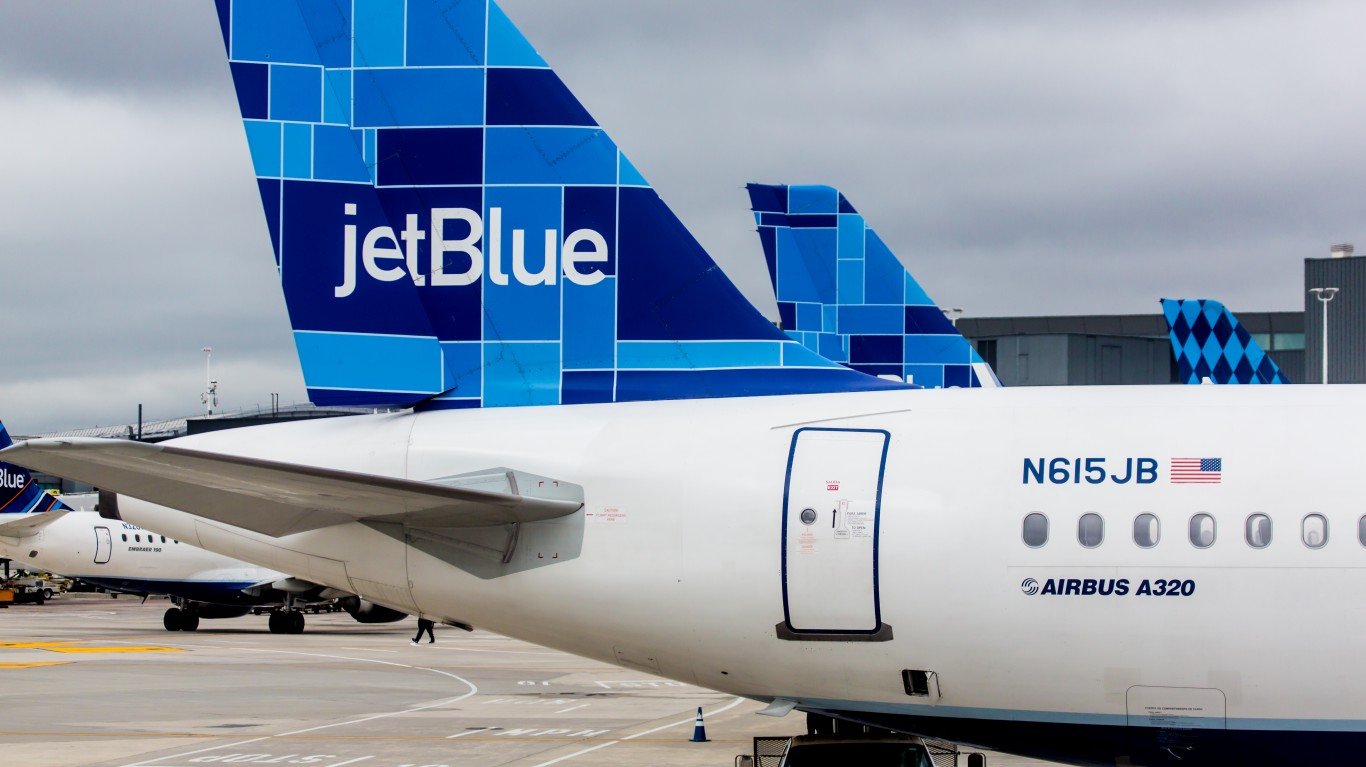
Airline stocks are continuing their rally as oil prices fall sharply again, and the carrier with the thinnest buffer against fuel costs is leading the way. JetBlue Airways (NASDAQ:JBLU) stock is at $3.63, up 14%, during the afternoon session. With a market value of about $1.37 billion and its JetForward turnaround plan still in progress, the company feels every swing in oil more than its larger rivals do.
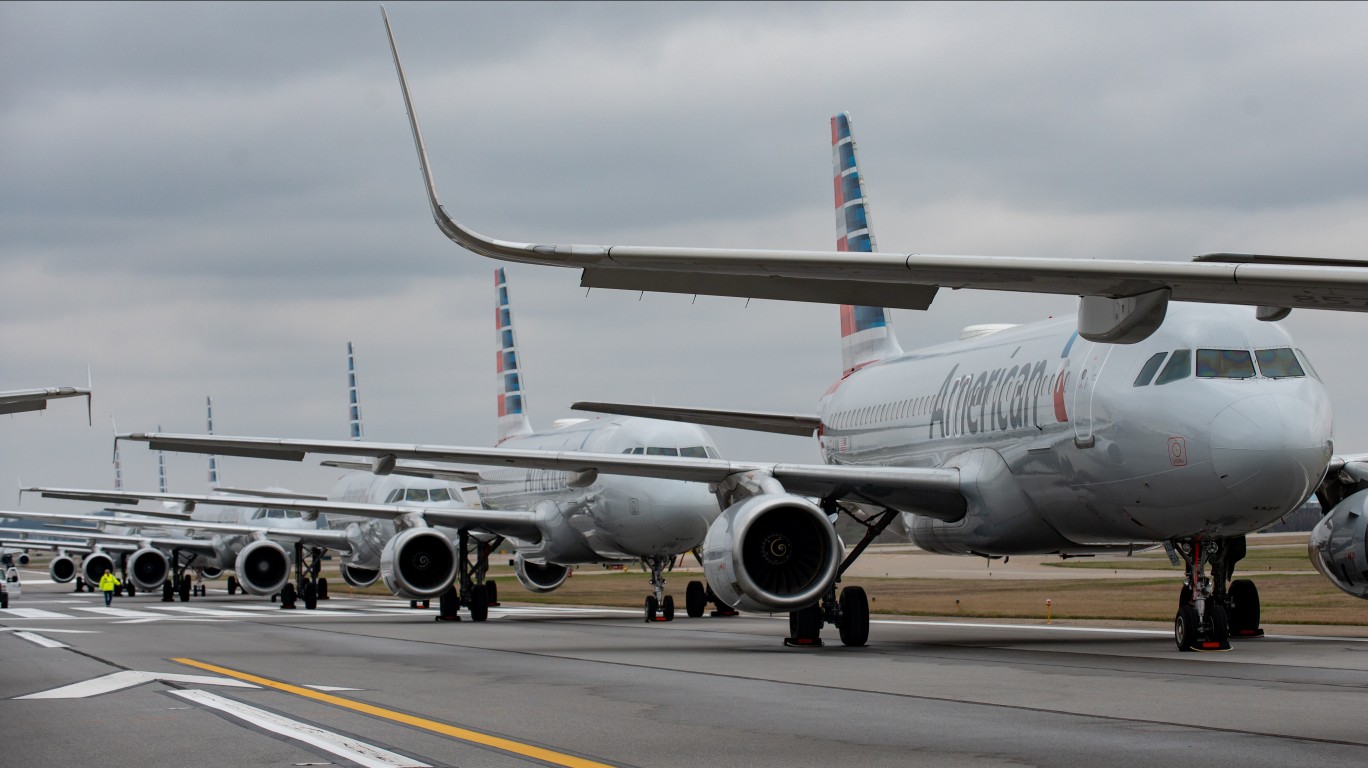
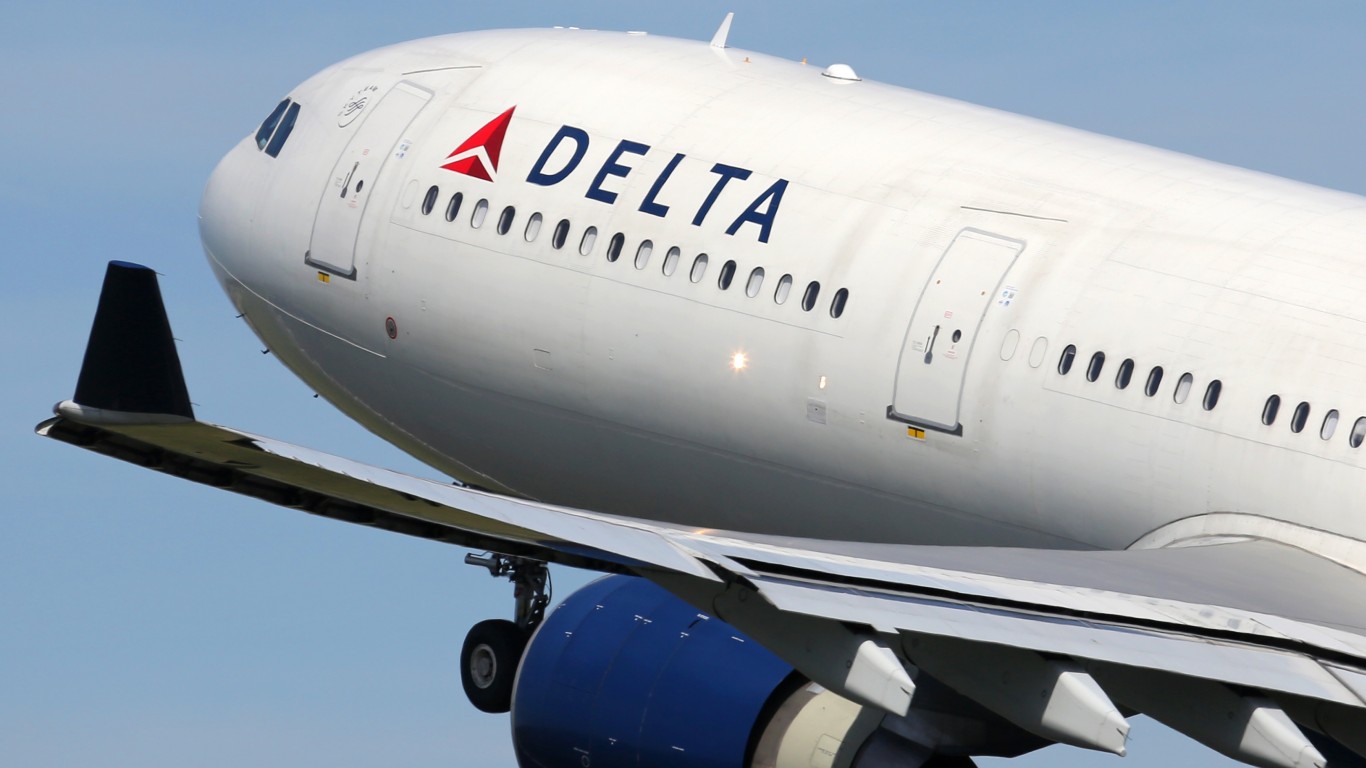
The bigger network carriers are rallying too. American Airlines Group (NASDAQ:AAL | AAL Price Prediction) stock is at $13.74, up 7%. Meanwhile, Delta Air Lines (NYSE:DAL) stock is at $88.83, up 7%. United Airlines Holdings (NASDAQ:UAL) stock is at $116.02, up 8%, a bigger gain than American Airlines and Delta are posting.
Falling Oil Prices Hand JetBlue Its Second Big Rally This Week
Oil is giving back a large share of its recent rise. West Texas Intermediate (WTI) oil is down 8.47% over the past 24 hours to $87.95 per barrel.
Reuters and The Wall Street Journal reported that the drop reflects market hopes that the U.S. midterm results could speed an end to the Iran war. As a market-based check, the United States Oil Fund (NYSEARCA:USO), an exchange-traded fund that tracks oil, is down 8%.
JetBlue’s rally builds on an earlier move. Before today, airlines climbed in Monday morning trading as oil fell on hopes for U.S.-Iran peace talks, with JetBlue leading the group. In that same session, United gained 6% and American Airlines added 5%.
Why JetBlue Feels Oil Swings More Than Delta and American
The airline has no fuel hedge, according to 24/7 Wall St.’s Monday coverage, so lower oil prices flow quickly into its costs. In its Q3 2026 results reported on October 26, JetBlue’s fuel costs rose 61% year over year to $868 million, at $3.91 per gallon. For Q4 2026, JetBlue’s guidance assumes a fuel price of $4.64 per gallon.
CEO Joanna Geraghty framed the challenge on JetBlue’s October 27 earnings call: “The fuel challenges the industry faces are real, but so is our progress.” With a full-year 2026 adjusted operating margin guided at negative 4.5% to negative 6.5%, the company has little room for error on its goal of sustained operating profitability in 2027.
Delta owns Monroe Energy, which operates the Trainer refinery and supplies part of the airline’s jet fuel. That refinery helps explain why Delta projected a Q4 all-in fuel price of $4.25 per gallon, including a $0.40 refinery benefit, on its October 9 call.
American Airlines doesn’t have that kind of offset. Guidance from American Airlines on October 22 called for a Q4 fuel price of $4.70 per gallon and full-year fuel expense more than $7 billion higher than in 2025.
How JetBlue’s Leisure Model Differs From the Network Giants
JetBlue is a leisure-focused carrier built around the Northeast and a fast-growing Fort Lauderdale hub, with routes across the Caribbean and Latin America. A global hub network supports American Airlines, along with the oneworld alliance and its AAdvantage loyalty program. Delta leans on premium cabins, SkyMiles and its American Express co-brand card, while United pairs a Star Alliance network with MileagePlus and a Starlink Wi-Fi rollout.
Those premium and loyalty businesses give the bigger carriers revenue that doesn’t rise and fall with each fuel bill. BlueFirst, a domestic first-class product launching December 8, is part of JetBlue’s effort to build its own version, alongside its TrueBlue loyalty program.
What Could Reverse JetBlue’s Oil-Fueled Rally
JetBlue stock remains down 20% year to date, even after this week’s gains. If Iran diplomacy stalls, oil could rebound quickly and undo the relief lifting airline stocks. A heavy balance sheet adds to that risk, with JetBlue has $8.4 billion in total debt.
A sustained drop in oil could help the most fuel-sensitive carrier the most, and JetBlue’s management said on its earnings call that it saw “no meaningful signs of elasticity despite higher fares.” The next test for JetBlue is whether lower oil prices last long enough to show up in the company’s Q4 results. Cautious investors may want to see how U.S.-Iran diplomacy develops before drawing any firm conclusions.
Contact [email protected] for any questions or corrections.
David Moadel is financial writer specializing in stocks, ETFs, options, precious metals, and Bitcoin. David has written well over 1,000 articles for leading online publications, helping investors understand markets, income strategies, and risk.His work has appeared in The Motley Fool, InvestorPlace, U.S. News & World Report, TipRanks, ValueWalk, Benzinga, Market Realist, TalkMarkets, Finmasters, 24/7 Wall St., and others.With a master’s degree in education, David has taught at the elementary, high school, and college levels. That teaching background shapes his writing style: clear, educational, and practical. David has also built a loyal social-media audience by providing trustworthy financial content on YouTube, X/Twitter, and StockTwits.