SoftBank CFO Says “There Is No Such Default” After Musk’s Turbine Claim, But a $3.7B Charge on Scrapped Turbine Orders Suggests Elon Was Onto Something

This post may contain links from our sponsors and affiliates, and Flywheel Publishing may receive compensation for actions taken through them.
SoftBank’s finance chief told analysts in Tokyo on Tuesday that Elon Musk’s claim of a turbine default is “simply not correct at all,” and in the same set of results SoftBank booked a loss of 597.2 billion yen, about $3.7 billion, on power generation equipment it has decided not to take. The company says the money went to gas turbines and other gear it had paid for in advance to power its AI data centers in the United States, and that it has now changed its mind about a large share of them.
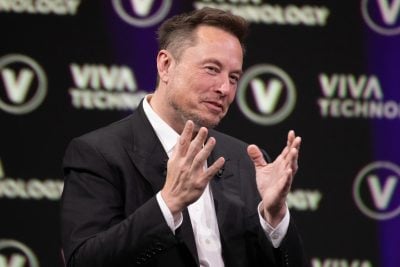
Musk started this on X. At 1:25 AM Eastern on Friday, November 6, replying to Katie Miller, he wrote: “SoftBank is defaulting on their turbine orders.” He named no supplier, no contract and no amount. SoftBank’s Tokyo-listed shares closed down 10.83% that day.
Four days later, at SoftBank’s fiscal second-quarter briefing on November 10, an analyst asked chief financial officer Yoshimitsu Goto about the post. In The Wall Street Journal’s translation, Goto answered: “This is simply not correct at all. There is no such default.” Read together with the charge, both statements can be true at once, and that is the honest reading of this week: SoftBank says it broke no contract, and it also walked away from about $2.9 billion of turbine equipment it had already paid for, so Musk was onto something about the orders being scaled back even though his word “defaulting” went further than the facts SoftBank has disclosed. SoftBank calls the whole thing a procurement change, and nothing it has released contradicts that.
What the $3.7 billion is
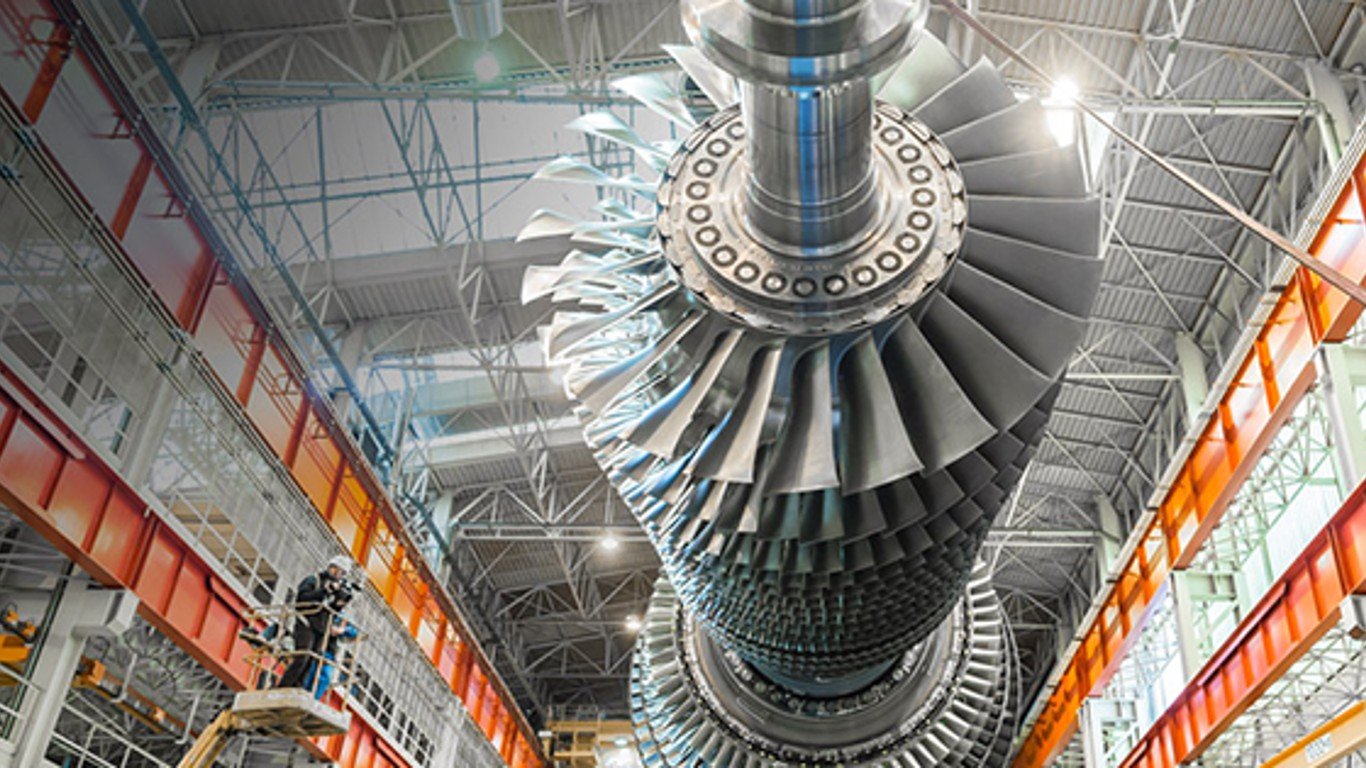
SoftBank had prepaid $9.5 billion through September 30 to lock in manufacturing capacity and power generation equipment, because it expected shortages and long lead times. In the quarter it decided not to take delivery of about $2.9 billion of that equipment, about 460 billion yen, and chief accounting officer Kazuko Kimiwada said the prepaid fees were not recovered. The rest of the charge, about $0.8 billion, came from contract changes and settlements. Subtract the $2.9 billion it is forgoing from the $9.5 billion it paid and $6.6 billion is still on deposit for equipment SoftBank still plans to take.
There is a partial offset. SoftBank says it can claim up to $2.1 billion of rebates on future purchases over 10 years. Spread evenly, that is $210 million a year, and it only arrives if SoftBank keeps buying from the same suppliers. At most it recovers 72% of the forgone deposits, and only over a decade.
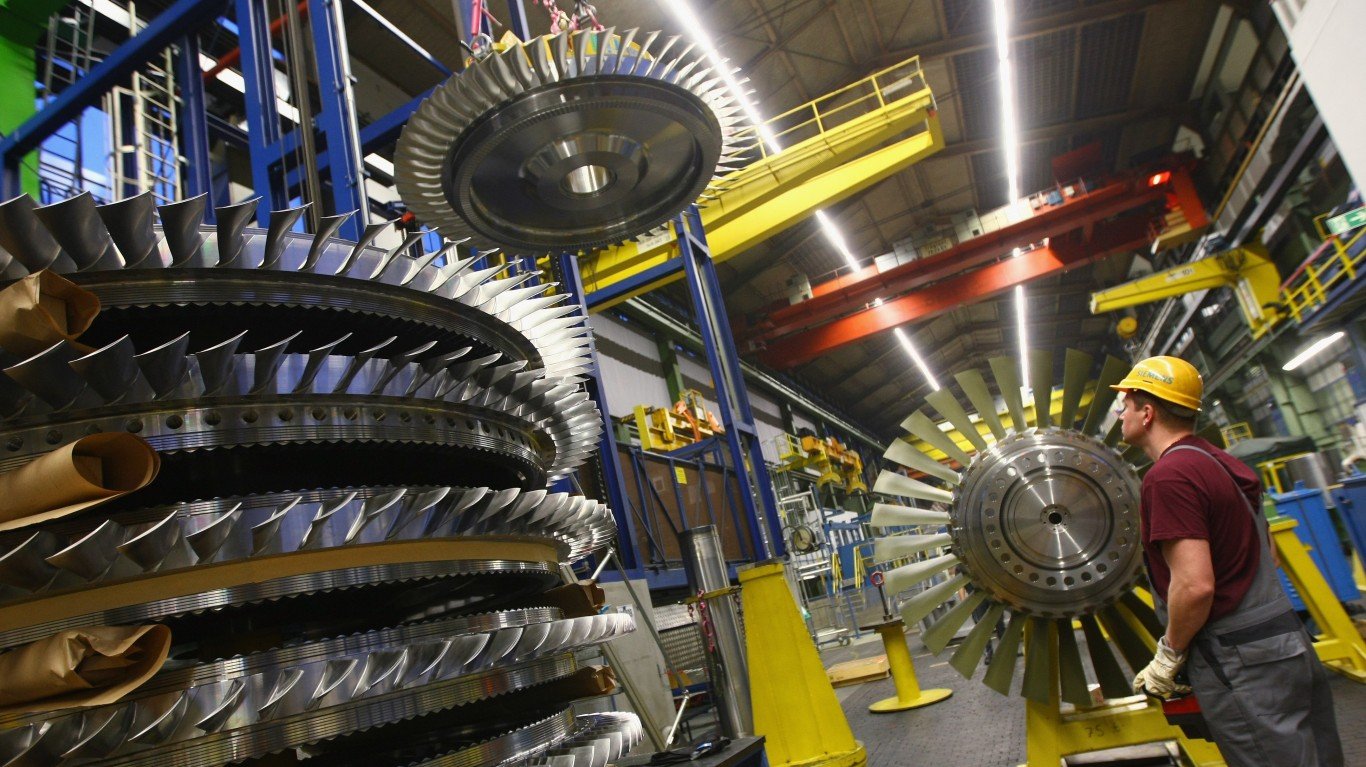
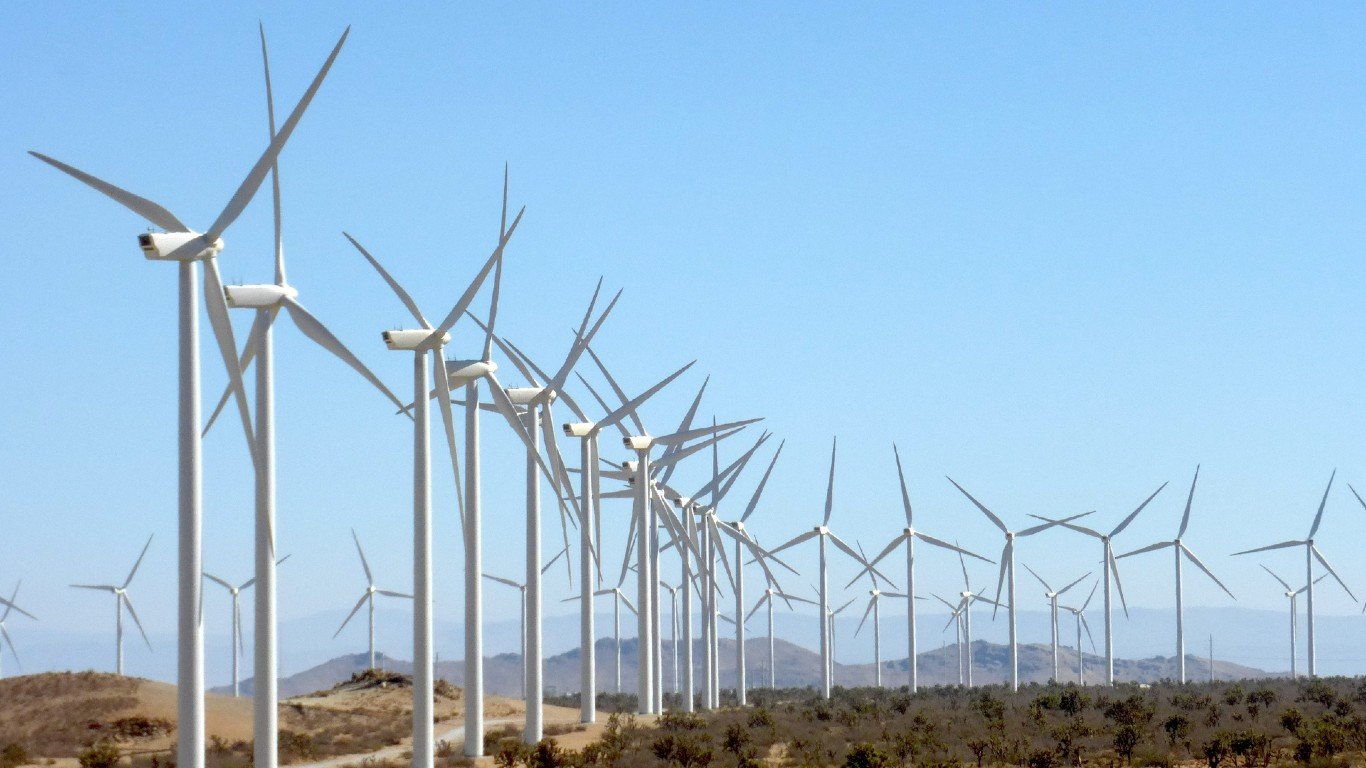
The Journal, citing people familiar with the orders, reported that SoftBank had reserved more than 13 gigawatts of gas turbines between late 2025 and early 2026, mostly from GE Vernova, and then cancelled the reservations it could not use. SoftBank’s quarterly net loss came to 1.12 trillion yen, about $7.1 billion, its first loss in almost two years, against the 129 billion yen profit analysts had expected. That is a 1.25 trillion yen swing from the forecast.
What GE Vernova says it felt
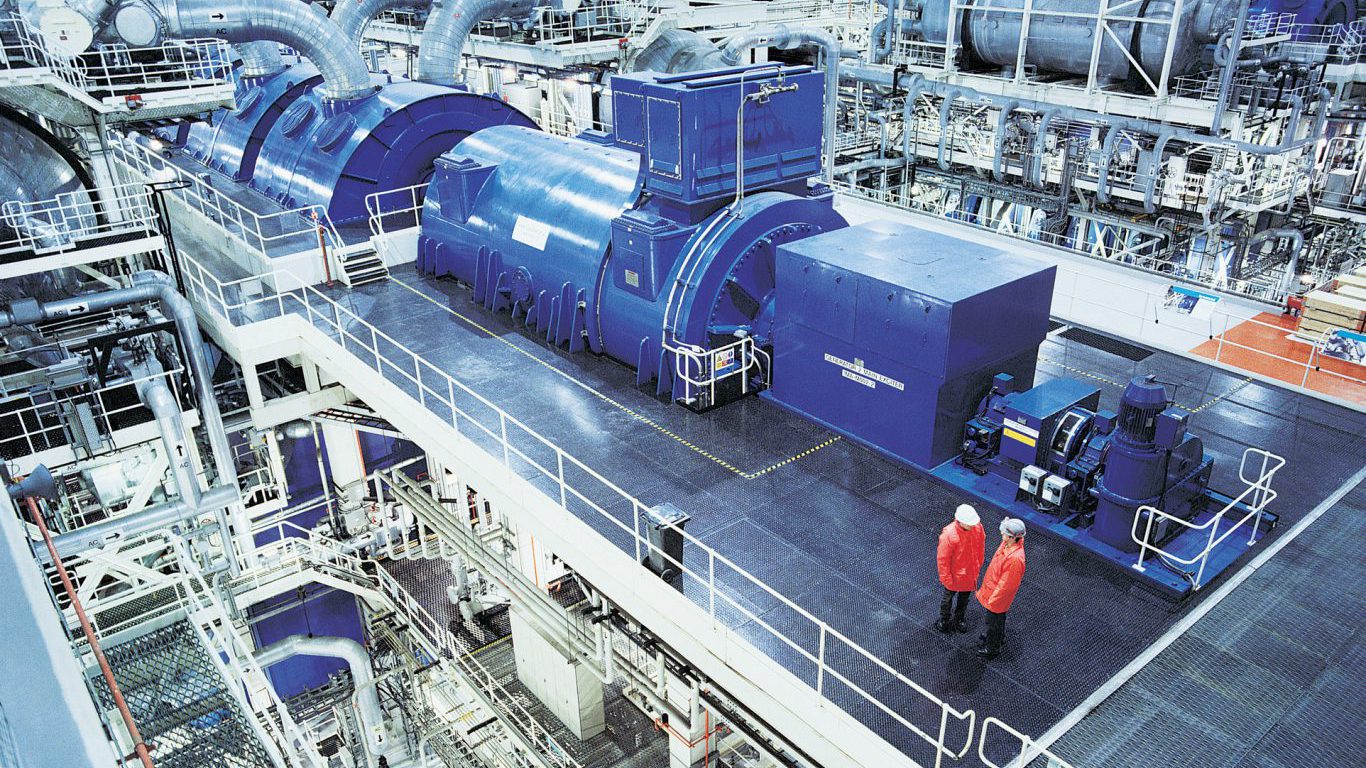
GE Vernova told the Journal the moves had “no negative or positive impact” on it. The numbers it reported on October 28 explain why. Its total backlog stood at $197 billion. In gas power alone it had 64 gigawatts of equipment in backlog and another 58 gigawatts under slot reservation agreements, 122 gigawatts in all, and it said it expects at least 130 gigawatts under contract by the end of 2026. Its board raised the share buyback authorization to $20 billion in October.
Against that book, 13 gigawatts is about 11%, and SoftBank is still taking the equipment behind the other $6.6 billion. A reservation fee is paid to hold a place in the manufacturing line. When the customer gives the place up, the fee stays with the manufacturer and the slot can be sold to the next buyer in line. That is why a $2.9 billion write-off at the customer shows up as nothing at the supplier.
The stock told the same story in two halves. GE Vernova fell 3.9% to $797.04 on Tuesday, the day SoftBank’s results reached U.S. trading, closed at $808.24 on Wednesday, and was trading at about $836 at 11:10 AM Eastern on Thursday, up 3.4% on the day. It is still 28.8% below its record close of $1,174.86 on June 30 and 9% below where it closed on November 3, before the week of Musk’s post. SoftBank’s U.S. ADR, which trades over the counter, last closed at $12.49 on Wednesday.
The retiree who got GE Vernova without buying it
Take a 67-year-old retired GE engineer who held 400 GE shares through the April 2, 2024 split-up. The spin-off gave him one GE Vernova share for every four GE shares, so 100 shares that closed at $140.00 on their first day, worth $14,000. At the June 30 record close those 100 shares were worth $117,486. At Wednesday’s close they were worth $80,824, and at Thursday’s price they are worth $83,594. SoftBank’s results day cost him $3,230 on Tuesday; Thursday’s bounce gave back $2,770. He is $33,892 below the June peak and still holds a stock worth six times what it was on day one.
He also owns it a second time without knowing it. GE Vernova has been in the S&P 500 since the spin-off, so every S&P 500 index fund in his IRA holds a sliver, and so does every retiree’s who never thought about turbines.
What the charge says about the AI power buildout
The plain reading is that the buildout is real and so is the over-ordering. A single buyer paid $9.5 billion ahead of time to hold places in line for turbines, found it had reserved more than its projects could use, and paid about $2.9 billion to walk away from the excess. The fees were nonrefundable, so the cash stayed with the makers, and GE Vernova’s gas book grew in the same quarter. For a holder of GE Vernova, or of a utility that is building plants for the same data centers, the lesson is that the demand is being booked by a handful of AI builders who can change their plans in one quarter. When one does, the manufacturer keeps the deposit and the shareholder of the buyer eats the loss.
The limit of that reading is that it is one customer’s change, the supplier says it felt nothing, and the one public claim of a default came from Musk, who named no contract. SoftBank’s own word for it is a procurement change.
What a holder does with it
For the engineer, the question is concentration, not SoftBank. On a $140 basis his 100 shares carry an unrealized gain of $69,594. If he and his wife have 2026 taxable income under $613,700, the federal rate on a long-term gain is 15%, under IRS Revenue Procedure 2025-32, so selling everything would cost $10,439 in federal tax. Trimming 25 shares at Thursday’s price raises $20,898, realizes a gain of $17,398 and costs $2,610 at 15%, or $3,271 if their modified adjusted gross income is above $250,000 and the 3.8% net investment income tax applies. That leaves 75 shares worth $62,695 and a position that no longer rides on whether the next AI builder keeps its turbine slots.
The bottom line
Musk said “defaulting.” SoftBank said “no such default,” then wrote off $3.7 billion of turbine equipment it will not take, most of it prepaid fees it cannot get back. Both can be true: by SoftBank’s account no contract was broken, and the orders were cut. GE Vernova kept the money and its backlog, which is why it is up on Thursday and a retiree holding 100 spin-off shares is worth $83,594 instead of the $80,824 he was worth on Wednesday night. The turbine buildout is being paid for by a few deep-pocketed buyers, and this is what it looks like when one of them changes its mind.
Contact [email protected] for any questions or corrections.
AJ spent 10 years writing about financial markets at The Motley Fool. His coverage centers on technology stocks and the broader macroeconomic trends, from interest rates to geopolitics, that shape where markets are headed next. AJ is drawn to the stories where big-picture economics and individual companies collide.