AI Data Centers Have Driven Gas Turbine Prices Up 50%
GE Vernova's earnings call revealed something unusual about its gas turbine business: buyers are now reserving factory slots years into the future, and that desperation is reshaping how much power generation actually costs.

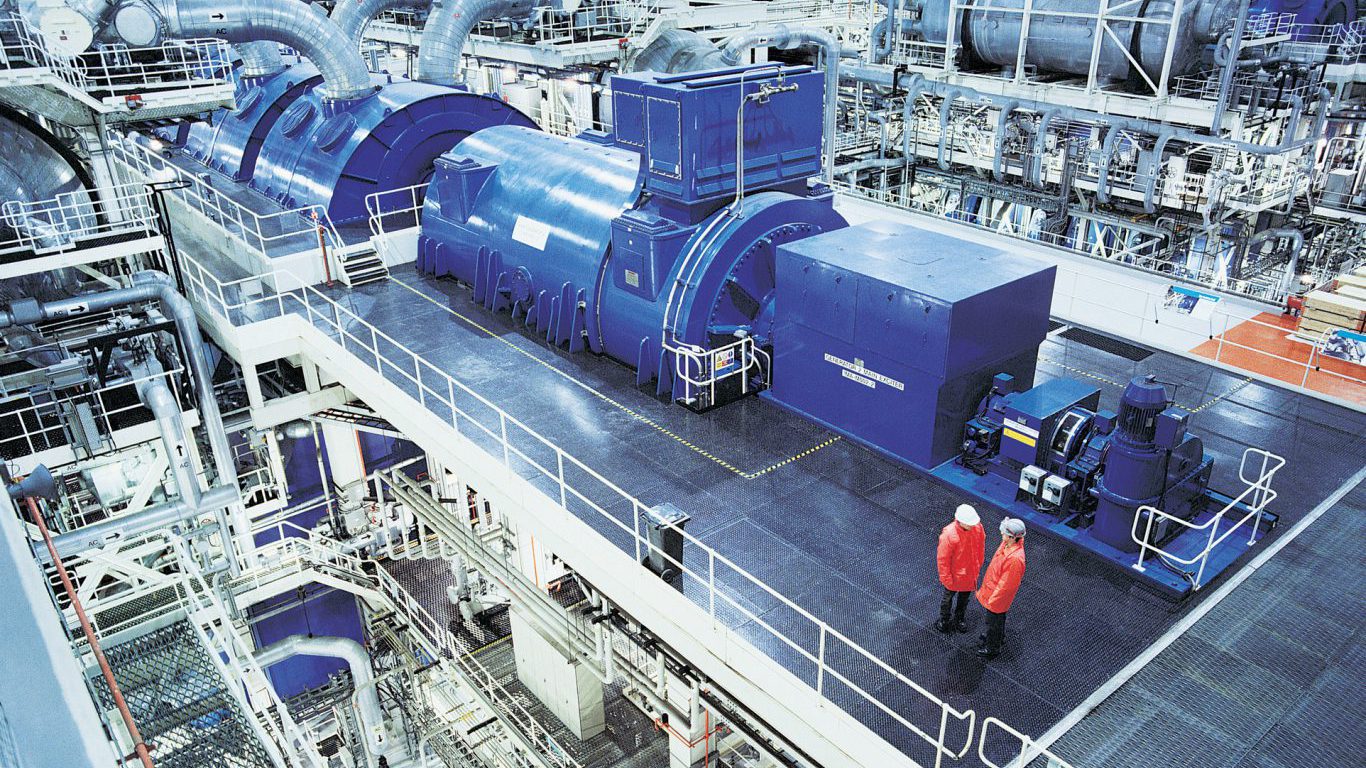
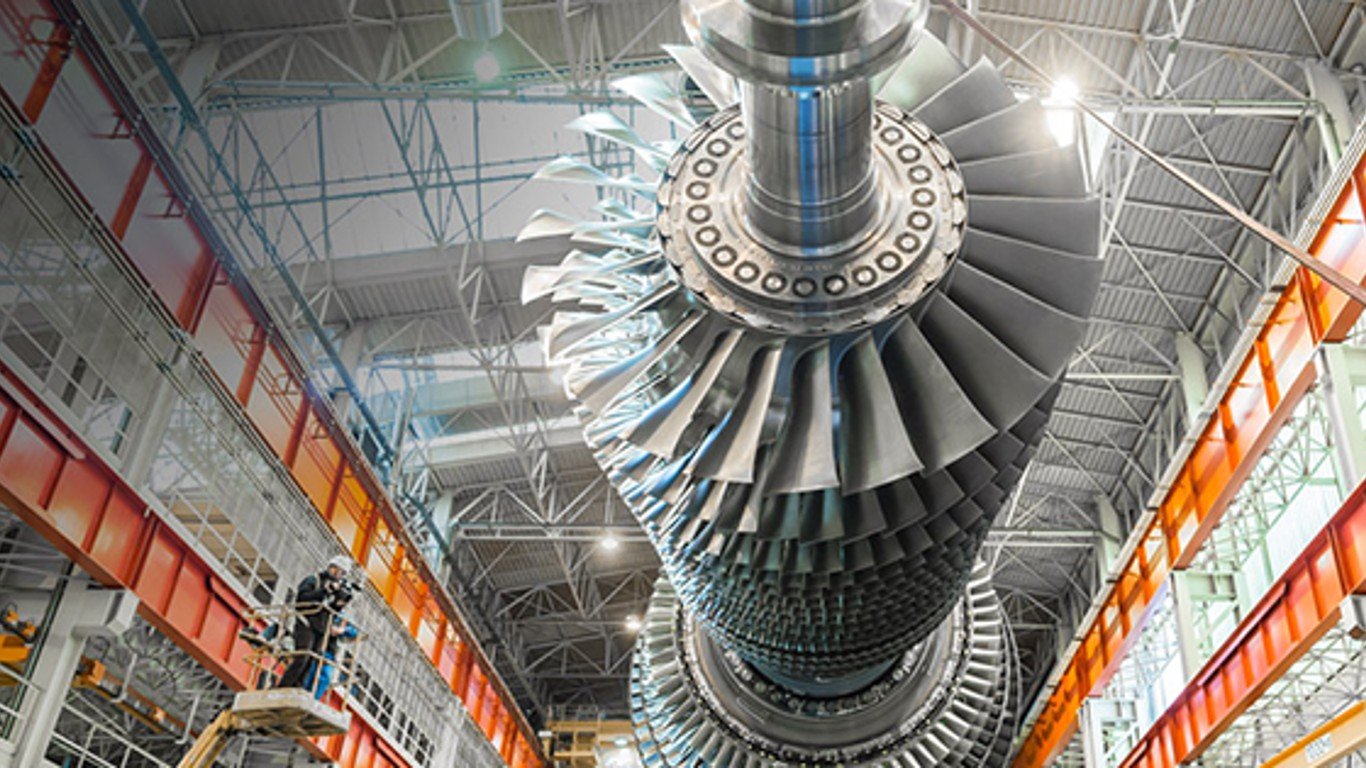
GE Vernova (NYSE:GEV | GEV Price Prediction) held its third-quarter earnings call on October 28, 2026, and the main news was how much more it now charges for gas turbines. Chief Executive Scott Strazik said “full year [2026] gas orders pricing per kW will be approximately 50% higher than full year [2025] orders.”
He also said the company sold delivery slots for 2032 during the quarter. The stock fell anyway, dropping as much as 6% to about $845 early in the session and closed at $878.03.
The 50% figure is GE Vernova’s own order price per kilowatt of generating capacity. It applies only to the company’s own orders, and the full year has not been booked yet.
What GE Vernova Disclosed on Turbine Pricing
The comparison covers full-year 2026 orders against full-year 2025 orders. When an analyst asked, Strazik said pricing is “up directionally 50%”. He added that the product mix moves quarterly numbers around, so the full-year comparison is the better measure.
Third-quarter orders were priced more than 20% above fourth-quarter 2025 equipment orders. A larger share of aeroderivatives, smaller turbines based on jet engines, helped. Management expects fourth-quarter pricing per kilowatt to come in below the third quarter because more 50 Hertz units will move from reservations.
AI accounts for part of the demand. GE Vernova has approximately 100 gas customers in 25 countries. About 80% are traditional customers such as utilities, and 20% are buying for data centers. Data center orders across the company now total more than $6 billion so far in 2026.
Short Supply of Factory Slots Lets GE Vernova Raise Prices
Utilities, industrial buyers and hyperscalers are all trying to buy from the same limited production lines. In the third quarter, GE Vernova shipped 5 gigawatts while signing 11 gigawatts of orders and slot reservations. A slot reservation is a deposit that holds a future spot on the production line. Gas equipment under contract rose to 122 gigawatts from 116 gigawatts.
Strazik said, “This quarter, we sold multiple slots for [2032] delivery as the demand environment remains strong.” When buyers are willing to book that far ahead, sellers have more room to raise prices.
Orders signed at these prices will ship years from now, so the benefit shows up in revenue and margins as the backlog is delivered. Power segment EBITDA margin rose 800 bps to 21.4%. Rising costs or production problems could still reduce those gains before the turbines ship.
Pricing strength shows in the results: orders of $29.3 billion, up 96%, supported raising free cash flow guidance to $16 billion to $17 billion from $11.5 billion to $12.5 billion, cash that helps fund the $9 billion Trench Group deal.
Why Shares Slipped After a Strong Report
Expectations were already high after a big run, with shares up 54.14% over the past year. The lower fourth-quarter pricing outlook likely weighed on shares.

The decline started before the report. Shares fell 10.64% on October 22. They now sit 14.7% below the October 6 close of $1,029.21, the highest close of the past month, and about 26.6% below the 52-week high of $1,195.94.
The 50-day moving average (the average closing price over the last 50 trading days) is $939.16. That sits below the 200-day average of $942.39, which signals fading momentum. Even for a company with a market value of $234.03 billion, the Trench deal adds integration risk.

What GE Vernova’s Next Report Needs to Show
Order pricing up about 50%, deliveries booked into 2032, and a customer base made up mostly of utilities give GE Vernova years of higher-margin revenue. That revenue should hold up even if AI spending cools off.
The pullback brings down the share price while the order book keeps growing. The fourth-quarter report will test that view. It should show backlog above $200 billion and at least 130 gigawatts of gas equipment under contract. If either number falls short, or the shares can’t get back above the 200-day average, the case gets weaker.
Contact [email protected] for any questions or corrections.
Omor Ibne Ehsan is a writer at 24/7 Wall St. He is a self-taught investor with a focus on growth, cyclical, and dividend equities that have strong fundamentals, value, and long-term potential. He also has an interest in high-risk, high-reward investments such as penny stocks.