Voters Just Rejected AI Data Centers in 40 of 41 Elections. Is the $1 Trillion Boom in Trouble?

This post may contain links from our sponsors and affiliates, and Flywheel Publishing may receive compensation for actions taken through them.
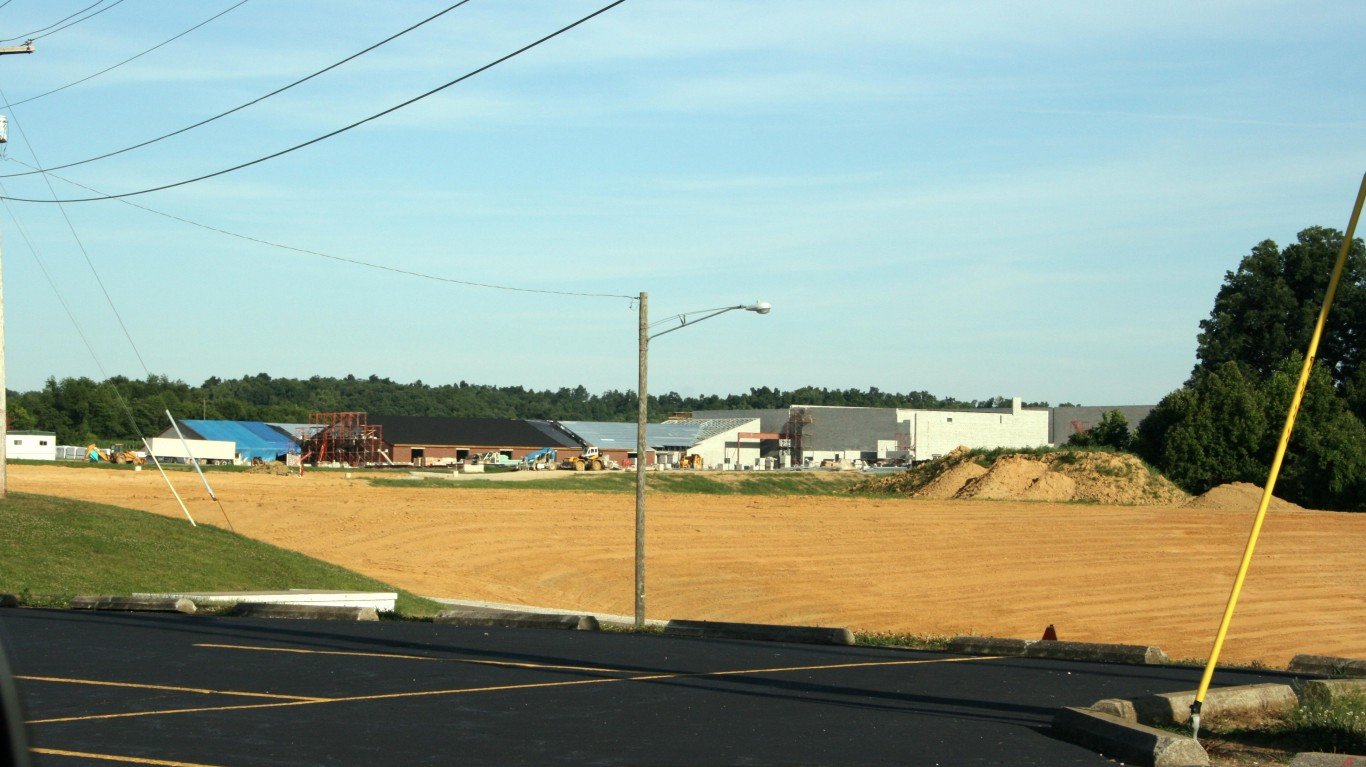
On November 3, voters in 41 local elections decided whether data centers could be built near them. In 40, the outcome favored restrictions. Ballotpedia counted 27 measures approving restrictions or expressing opposition and 13 pro-development measures defeated. Voters approved five outright bans, 12 partial bans, and three temporary moratoriums. Harwood, North Dakota was the only exception.
Wall Street has spent months asking whether big tech can afford its AI infrastructure promises. Voters just asked a different question: will towns let it build them? The complaints were electricity bills, water, land and strained roads, and the opposition crossed party lines. My read: demand for the growth is strong, but where it gets built now depends on permits, and permits favor companies that already have them.
Four Companies Spending Like Nations
Amazon (NASDAQ:AMZN | AMZN Price Prediction) expects approximately $220 billion in 2026 cash capital spending. Alphabet (NASDAQ:GOOGL) guided to $195 billion to $205 billion. Microsoft (NASDAQ:MSFT) expects approximately $170 billion for the calendar year, and Meta Platforms (NASDAQ:META) $135 billion to $145 billion. That adds up to $720 billion to $740 billion this year. Back in 2023, Alphabet spent $32.3 billion.
That spending is straining the books. Alphabet’s free cash flow was negative $9.07 billion last quarter, and it issued $28.7 billion in notes. Meta’s was negative $2.12 billion. Over the past month, Alphabet shares are down 17.77% and Meta’s 10.62%.
Contracts Are Signed, but Sites Are Getting Harder
The demand is on paper. AWS reported a $578 billion backlog, Google Cloud $561 billion, and Microsoft’s commercial remaining performance obligations rose 73% to $677B. Andy Jassy said big customers reserve “hundreds of megawatts or sometimes up to a gigawatt of capacity” in advance.
Those megawatts land on local grids. The Energy Department projects data centers will use up to 12% of U.S. electricity by 2028. One Denver campus may use up to 805,000 gallons of water a day. Amazon’s call had no specific management commentary on local opposition or permitting, yet the company announced a $1 billion Built Together investment in U.S. data center communities. A $1 billion line item tells you how much local goodwill now costs.
Who Pays When Towns Say No
All four companies can move or postpone projects. Smaller developers may not be able to. For a project funded with debt, a 12-month delay can significantly change the economics. Developers that already have power, permits and financing gain ground on those still waiting to break ground.
The hyperscalers are already working around the problem. Microsoft cut dock-to-live times for new GB300s by about 20%, which gets more out of sites it already runs. Alphabet is placing its AI chips in partner and customer facilities, which Thomas Kurian said “offsets the need for us to have to prebuild facilities.”
Signals That Decide 2027
Amazon plans to spend “meaningfully more in 2027,” and Alphabet expects capex to “increase significantly in 2027.” When the four report fourth-quarter results, the number to watch is their 2027 capex guidance. Check whether local permitting shows up in their risk disclosures. Also watch Microsoft’s third-party capacity, already delayed to H2. Another slip would show the vote box reaching the income statement. For the four hyperscalers, voter opposition means slower and costlier siting. The real trouble falls on developers that have neither power nor permits.
Contact [email protected] for any questions or corrections.
After two decades of patrolling the dark corners of suburbia as a police officer, Rich Duprey hung up his badge and gun to begin writing full time about stocks and investing. For the past 20 years, he’s been cruising the markets looking for companies to lock up as long-term holdings in a portfolio while writing extensively on the broad sectors of consumer goods, technology, and industrials. Because his experience isn’t from the typical financial analyst track, Rich is able to break down complex topics into understandable and useful action points for the average investor. His writings have appeared on The Motley Fool, InvestorPlace, Yahoo! Finance, Money Morning, and, of course, 24/7 Wall St. He has been featured in both U.S. and international publications, including MarketWatch, Financial Times, Forbes, Fast Company, and USA Today.