United’s CEO Says He’s “100%” Sure an American Deal Could Be Approved

This post may contain links from our sponsors and affiliates, and Flywheel Publishing may receive compensation for actions taken through them.
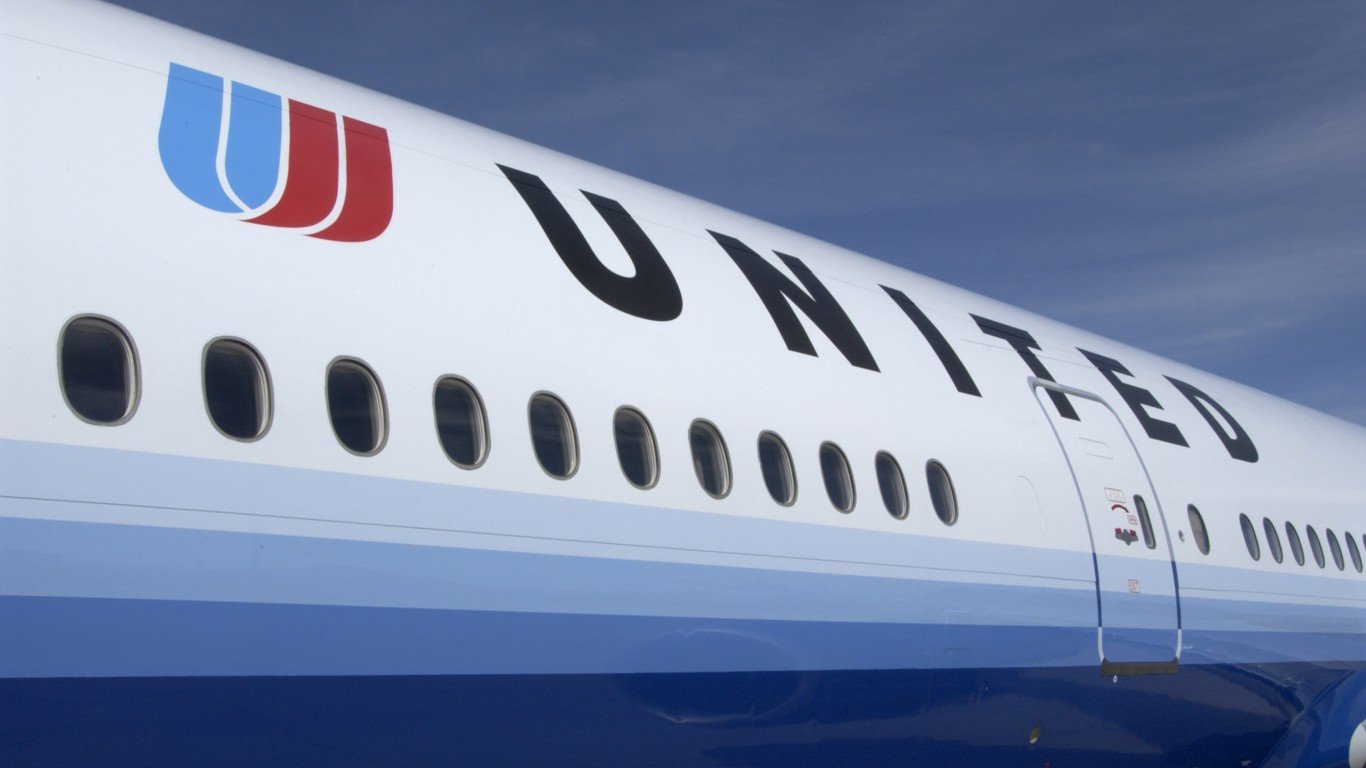
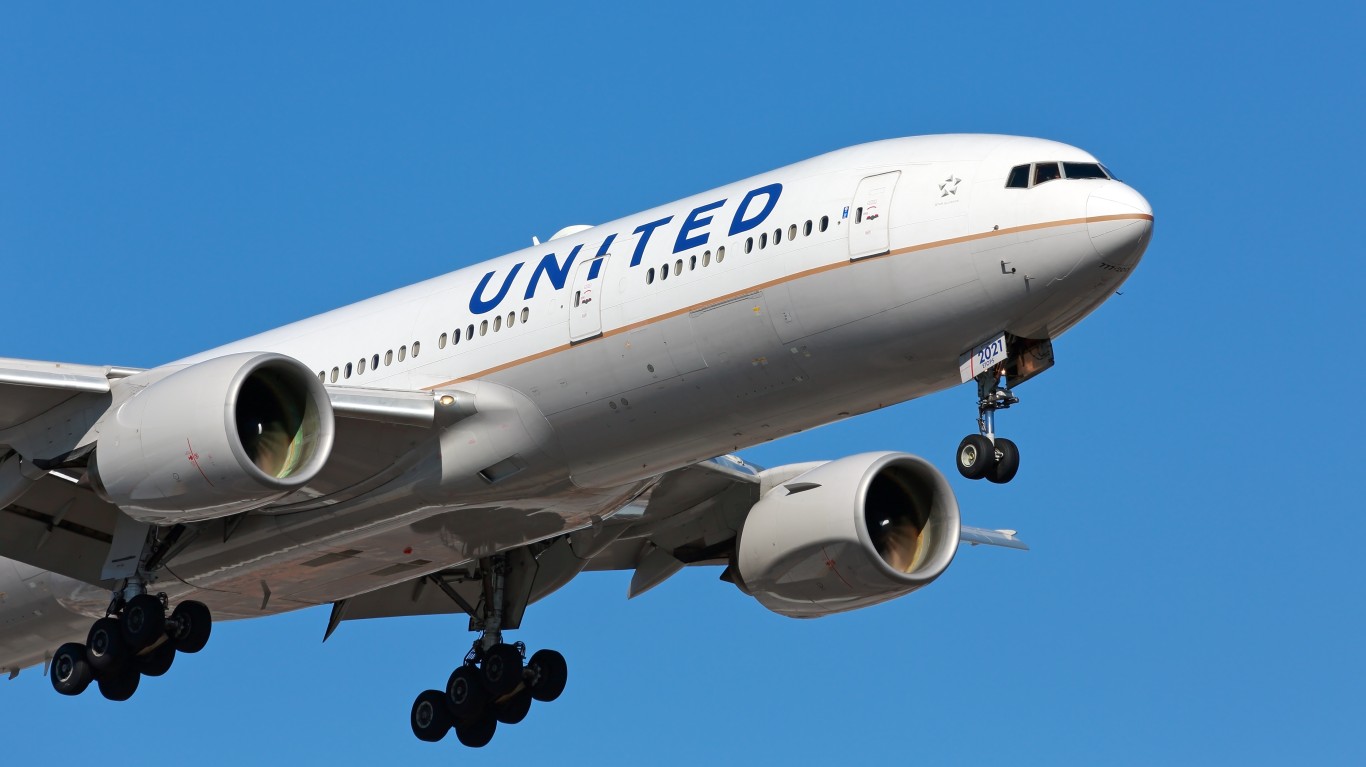
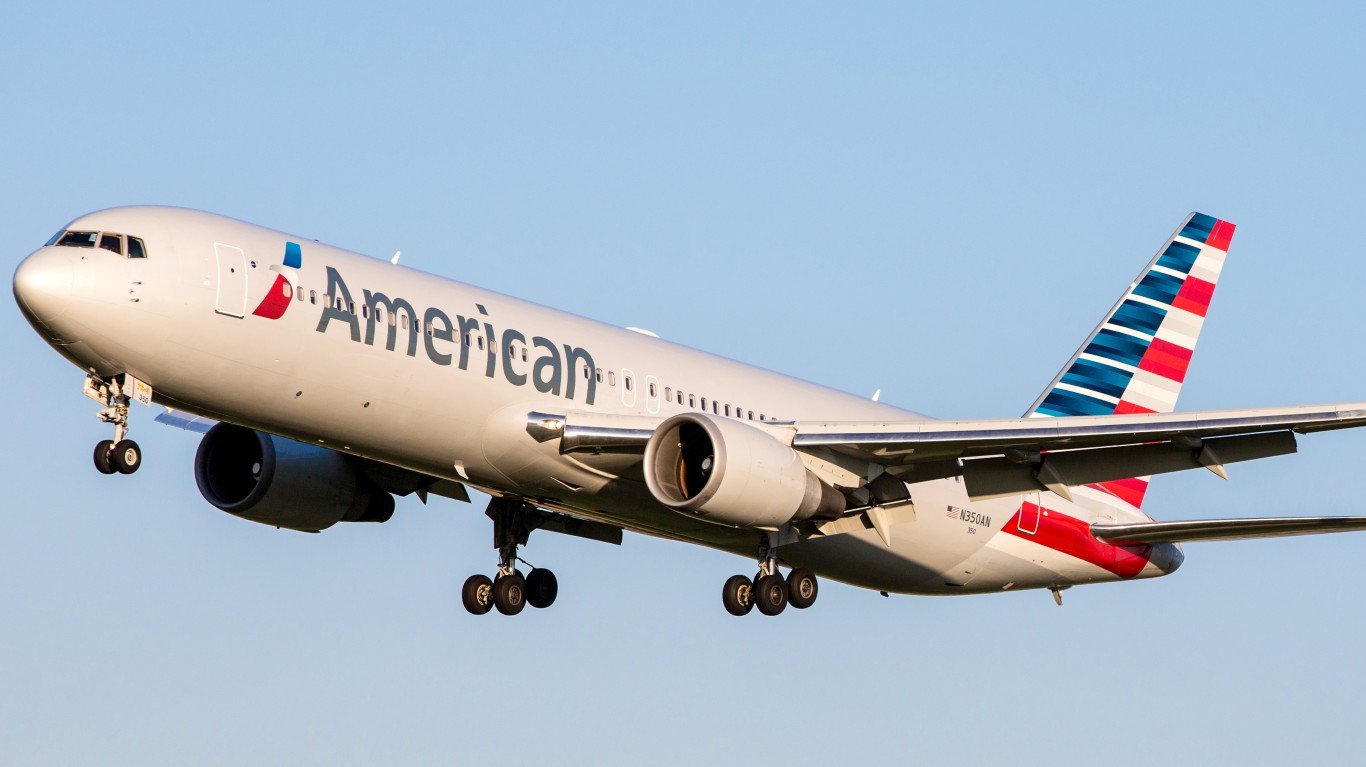
United Airlines (NASDAQ:UAL | UAL Price Prediction) CEO Scott Kirby told an investor conference on Thursday, November 12, 2026, that he is “100%” convinced a merger with American Airlines (NASDAQ:AAL) could win regulatory approval. There is no new offer, bid, or set of talks, and American has publicly said it is not interested.
Kirby said the biggest obstacle is finding a willing partner and described regulators as the easier challenge, while admitting a deal would be difficult and would require divestitures.
Both stocks closed before his remarks were published. United finished at $111.25, down 6.02% or $7.12, and American closed at $13.31, down 5.6%.
After hours, United traded at $112.14, up 0.80% as of 7:56 p.m. ET, and American traded at $13.44, up 0.99% as of 7:59 p.m. ET. Moves that small suggest investors treated the comments as opinion.

Kirby Keeps Courting a Rival That Said No
In April, Kirby presented the combination as a global champion that could compete with foreign flag carriers. American CEO Robert Isom rejected it in a public statement, saying American was not engaged in or interested in merger talks, and the idea drew antitrust opposition in Washington. American’s board has already answered, so repeating the pitch reads as a message to American’s shareholders and to regulators.
Kirby argued customers care about service, product, technology and reliability as well as price, and antitrust reviews have traditionally centered on fares, so his case asks regulators to apply a broader test than they usually do.
What Approval Would Cost United
A deal this large would likely require major concessions. Those would include giving up overlapping hub operations, airport slots (assigned takeoff and landing rights at congested airports), and routes where the two carriers compete directly. Labor unions would also be expected to oppose it.
United would also take on a carrier with shareholders’ equity of ($4.224B) and $29.6 billion in debt and finance leases at the end of the third quarter.
American’s Thin Profits Invite Pressure
JPMorgan analyst Mark Streeter said American’s 2025 share of profits among Delta Air Lines (NYSE:DAL), United and American came in below the 12% it had guided to before the war in Iran. He said he would not be surprised if American draws a buyer, possibly an activist or another airline, although nothing may happen.
American was worth $8.82 billion at Thursday’s close, compared with United’s $36.14 billion, for about $45 billion combined. American shares are down 13.18% year to date and sit inside a one-year range of $10.09 to $18.79.

Fuel Costs Are Forcing Hard Choices
Kirby said high fuel prices are likely to stay and estimated that six of 10 U.S. airlines will lose money in 2026. He pointed to Spirit Airlines’ May shutdown announcement and warned that carriers counting on cheaper fuel could face harder decisions in 2027 if oil stays high.
United’s own third-quarter fuel expense rose to $4.84 billion, up 62% from a year earlier. Weaker carriers have far less room to absorb a cost increase of that size.
What United’s Standalone Results Mean for UAL Stock
United’s standalone business carries the case for the stock, and the merger talk is a risk to monitor. Third-quarter revenue reached a record $17.875B, up 17.41%, and the stock gained 7.77% over the past month.

On the October 21, 2026 earnings call, Kirby said: “It is a matter of when, not if, we get to double-digit margins on a standalone basis.” A contested merger would add integration costs, forced divestitures and years of regulatory uncertainty to that plan.
American’s position is weaker. Takeover interest may support its shares, but no bid exists, and its balance sheet leaves little room if fuel stays high.
Keep an eye on an 8-K from American disclosing talks, an activist’s 13D filing (required above 5% ownership), or any regulator comment on the idea. If none appear and United slips from its one-year range of $84.64 to $138.77 back toward the low end, fuel is driving the stock, and merger hopes are irrelevant.
Contact [email protected] for any questions or corrections.
Omor Ibne Ehsan is a writer at 24/7 Wall St. He is a self-taught investor with a focus on growth, cyclical, and dividend equities that have strong fundamentals, value, and long-term potential. He also has an interest in high-risk, high-reward investments such as penny stocks.