Airfares Are Up 25.5% and United Says It’s Set To Increase More. Is UAL the Only Cheap Airline Stock Left?
Airline fares are climbing fast and CEOs say they have room to push higher, yet one major carrier trades like the market expects it to fail. The case for United Airlines as the last undervalued play in the sector rests…

U.S. airline fares rose 25.5% year over year in July, and United Airlines CEO Scott Kirby has told Reuters he expects further gradual increases in the first half of 2027 if demand holds.
The market has not treated United Airlines Holdings (NASDAQ:UAL | UAL Price Prediction) like a beneficiary. Shares closed at $114.83 on August 26, up only 2.69% year to date, while Delta Air Lines (NYSE:DAL) has climbed 20.64%. The premise of this article is whether United is the last genuinely cheap major airline.
Fare Story Belongs to the Industry, Not Just United

The 25.5% figure describes fares across U.S. carriers, not United’s own ticket prices. Kirby has framed the increase as a structural catch-up because airport fees have risen roughly 60% since COVID and maintenance costs are “off the charts.”
He told investors that “airfares are down still 13% in real terms compared to where they were in 2019,” which is the frame he uses to argue current pricing is durable. Robert Isom at American echoed the point, saying “the price of air travel remains a bargain.”
United’s second-quarter revenue reached $17.672 billion, up 15.99% year over year, with TRASM up 12.1%. Andrew Nocella said the airline saw “minimal to no negative impact on demand from higher price points.”
Management believes it can recover 80-90% of the fuel increase in Q3 and 100% by Q4. Investors should treat it as a target rather than a promise.
Valuation Gap Is Real but Narrower Than It Looks
United trades at a forward P/E of 11x, compared with Delta’s 13x. Against its own 2026 EPS range of $9 to $11, United looks priced for skepticism.
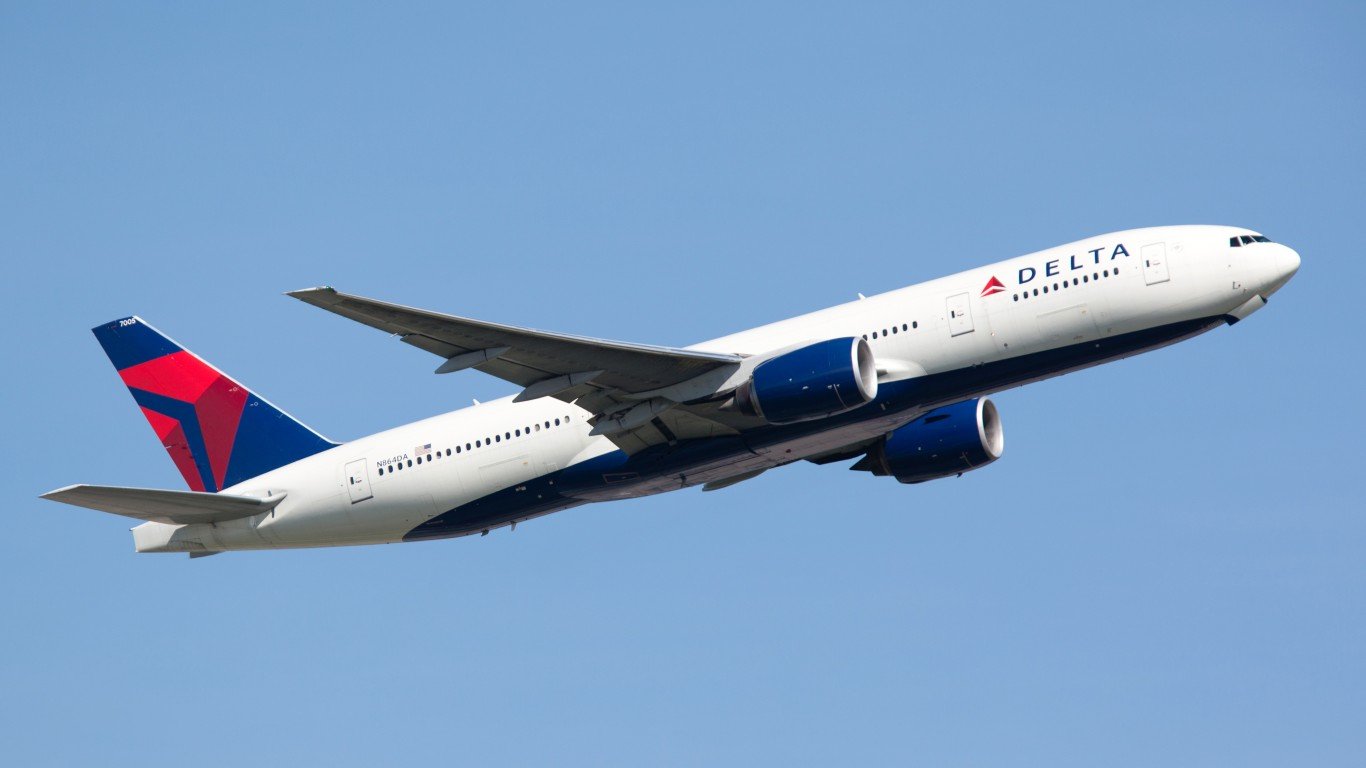
Delta earns that premium. Its diversified revenue streams accounted for 61% of total revenue, and management reaffirmed full-year EPS of $6.50 to $7.50 while raising the dividend by 15%.
United carries $26.5 billion of debt but is “right on the precipice” of investment-grade metrics. The discount reflects leverage and fuel exposure as much as pricing power.
Analysts see room to close it, with an average price target of $161.28. The multiple understates the pricing story only if fuel recovery lands where Kirby says it will.

American Is Cheap for a Reason
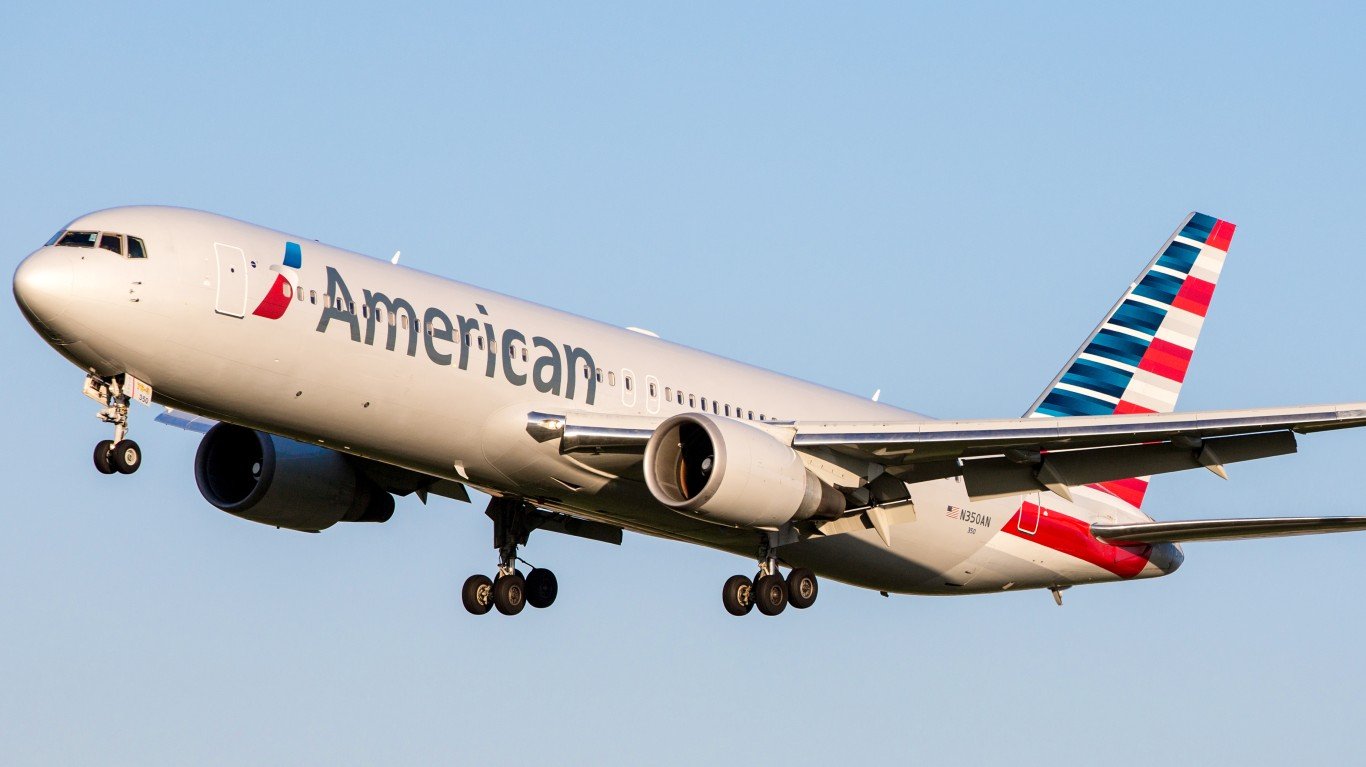
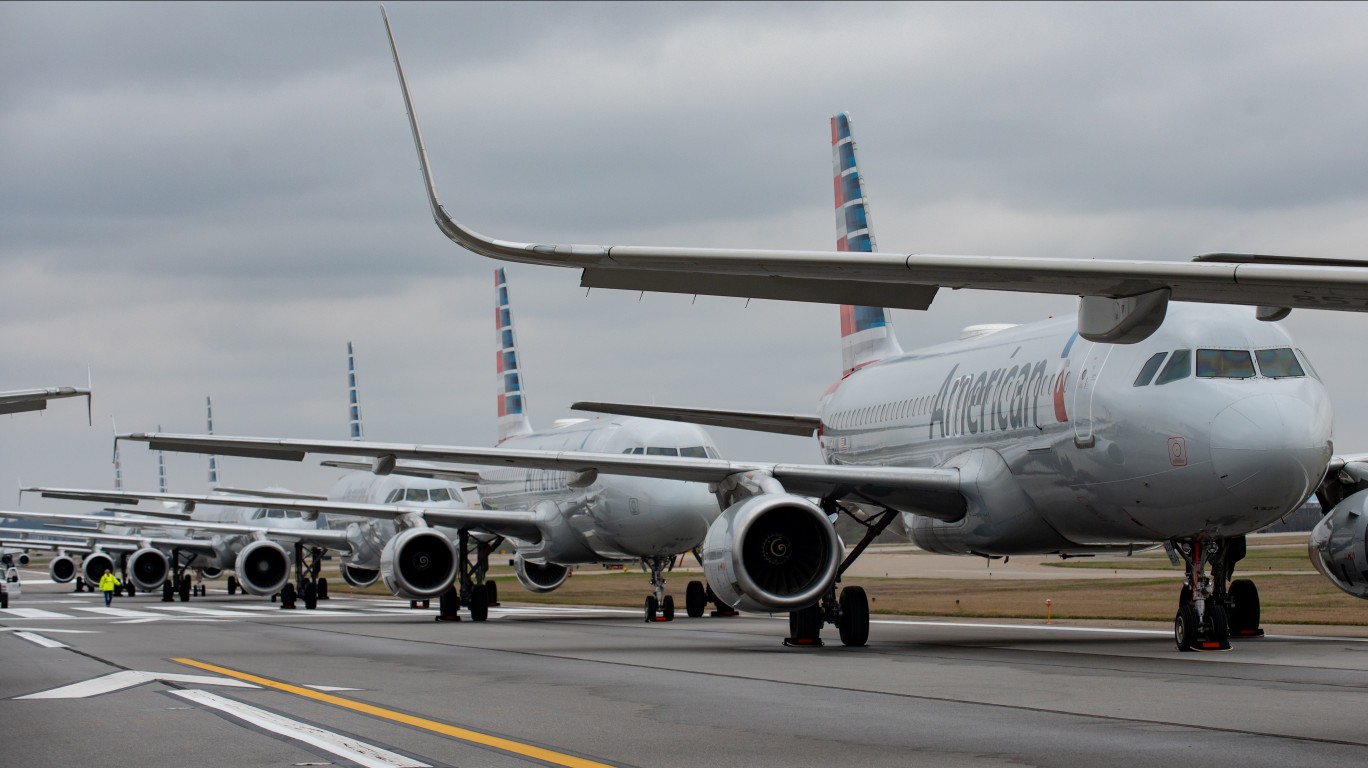
American Airlines Group (NASDAQ:AAL) closed at $13.84, down 60.37% over the past 10 years. Revenue grew 16.28% in Q2, yet the airline guided full-year EPS to a range of ($0.65) to $0.65.
The balance sheet tells the harder story: shareholders’ equity of-$3.972 billion and roughly $34.7 billion in total debt. America’s low prices are not a bargain in any quality-adjusted sense.
Isom conceded that “the current fuel curve has dampened our near-term expectations,” and near-term losses make American a bet on normalization rather than execution.
United is the cheapest of the three that is actually earning money at scale, but the discount is a fuel-recovery bet. If Kirby lands the 2027 pricing environment he is describing, the multiple looks too low. If jet fuel stays near $4, the market has priced UAL about right.
Contact [email protected] for any questions or corrections.
Omor Ibne Ehsan is a writer at 24/7 Wall St. He is a self-taught investor with a focus on growth, cyclical, and dividend equities that have strong fundamentals, value, and long-term potential. He also has an interest in high-risk, high-reward investments such as penny stocks.