Rejected but Not Retreating: United’s Future Lies in Fleet Innovation, Not M&A
Scott Kirby approached both Delta and American about blockbuster mergers, and both turned him down. Now the question is whether United's real competitive weapon was never a deal at all.


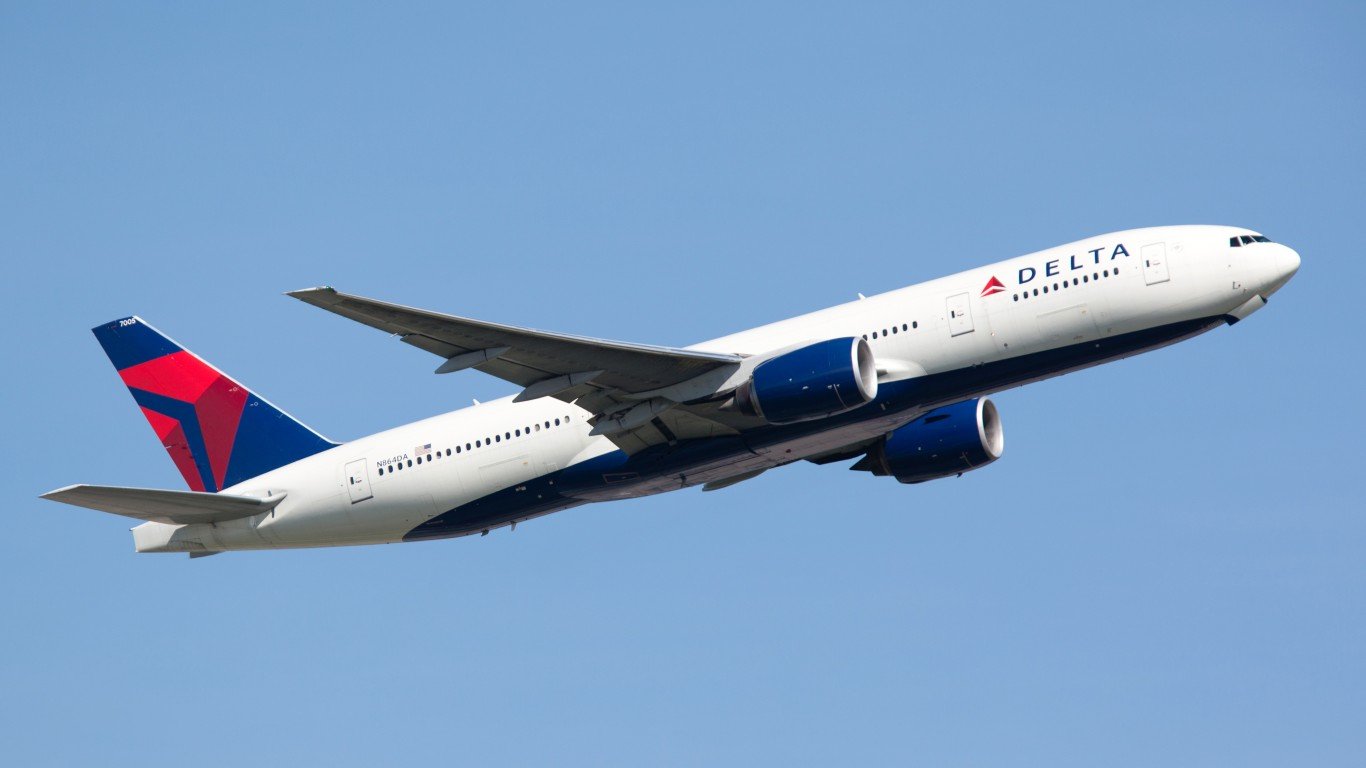
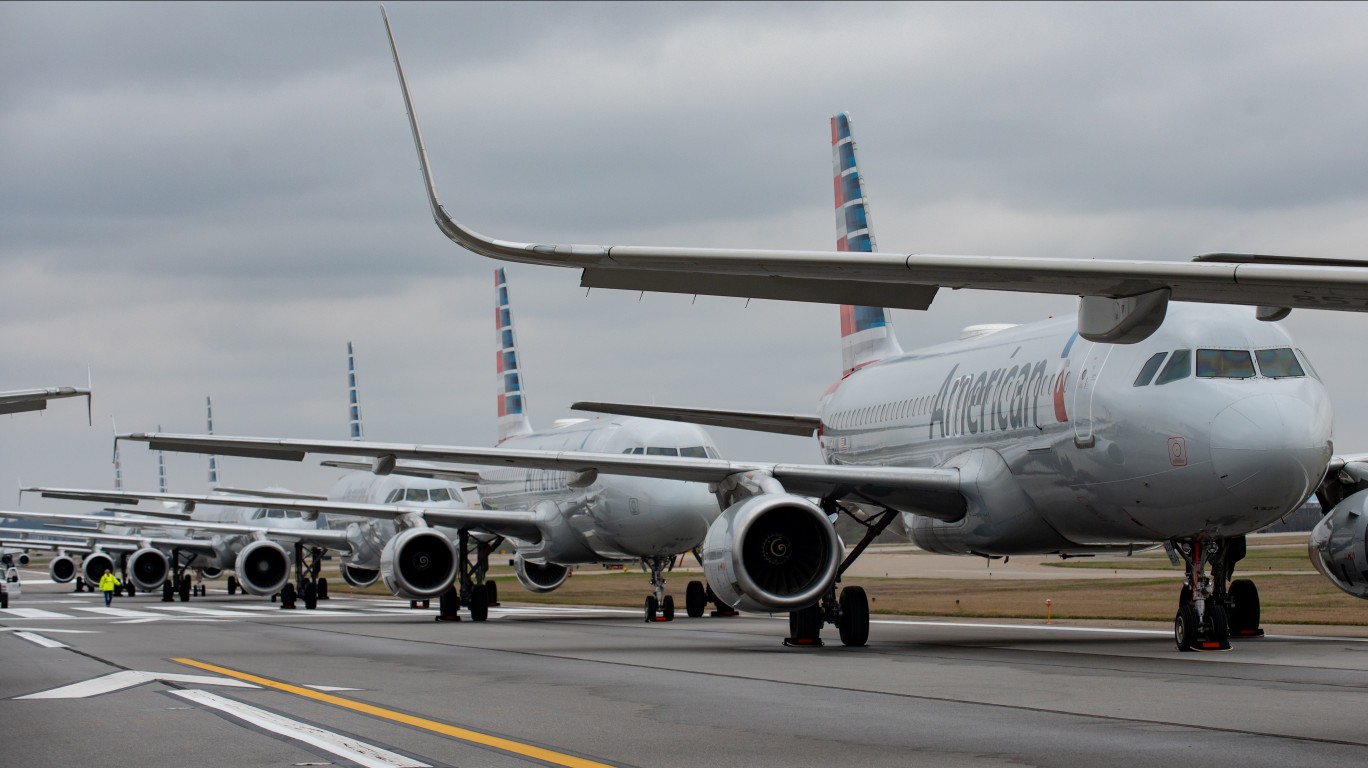
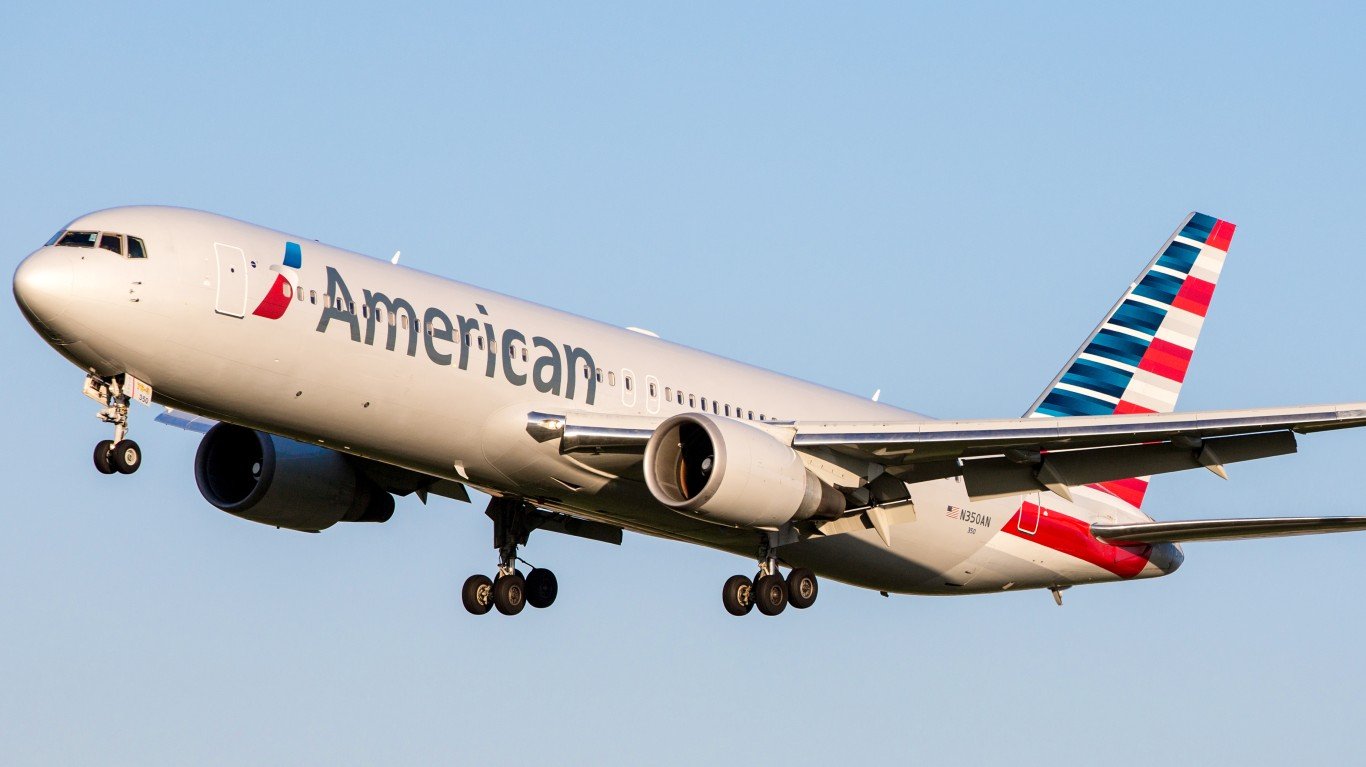
United Airlines (NASDAQ:UAL | UAL Price Prediction) CEO Scott Kirby’s dual merger gambit is over before it ever really began. Per Wall Street Journal reporting in late July, Kirby first approached Delta Air Lines (NYSE:DAL) CEO Ed Bastian about a merger; Delta conducted preliminary due diligence but both sides moved on. Kirby then pursued a merger with American Airlines (NASDAQ:AAL), which American CEO Robert Isom publicly rejected as “a non-starter” and “anti-competitive.” The market shrugged, then recovered: United shares closed at $128.39 on August 3, up 6.5% on the week and 51.8% over the past year.
Why the Rejections Actually Make Sense
Delta is executing from a fortress. Bastian told investors that “Delta’s brand and industry position are stronger than ever” after delivering $1.4 billion in pre-tax profit and affirming full-year 2026 adjusted EPS of $6.50 to $7.50. American is a different story: shareholders’ equity of negative $3.972 billion, $36.5 billion in total debt, and Q3 2026 loss guidance of ($0.70) to ($0.10). Either tie-up would face brutal antitrust scrutiny: a combined carrier would control roughly 40% of U.S. domestic capacity.
What Kirby Can Actually Do Next
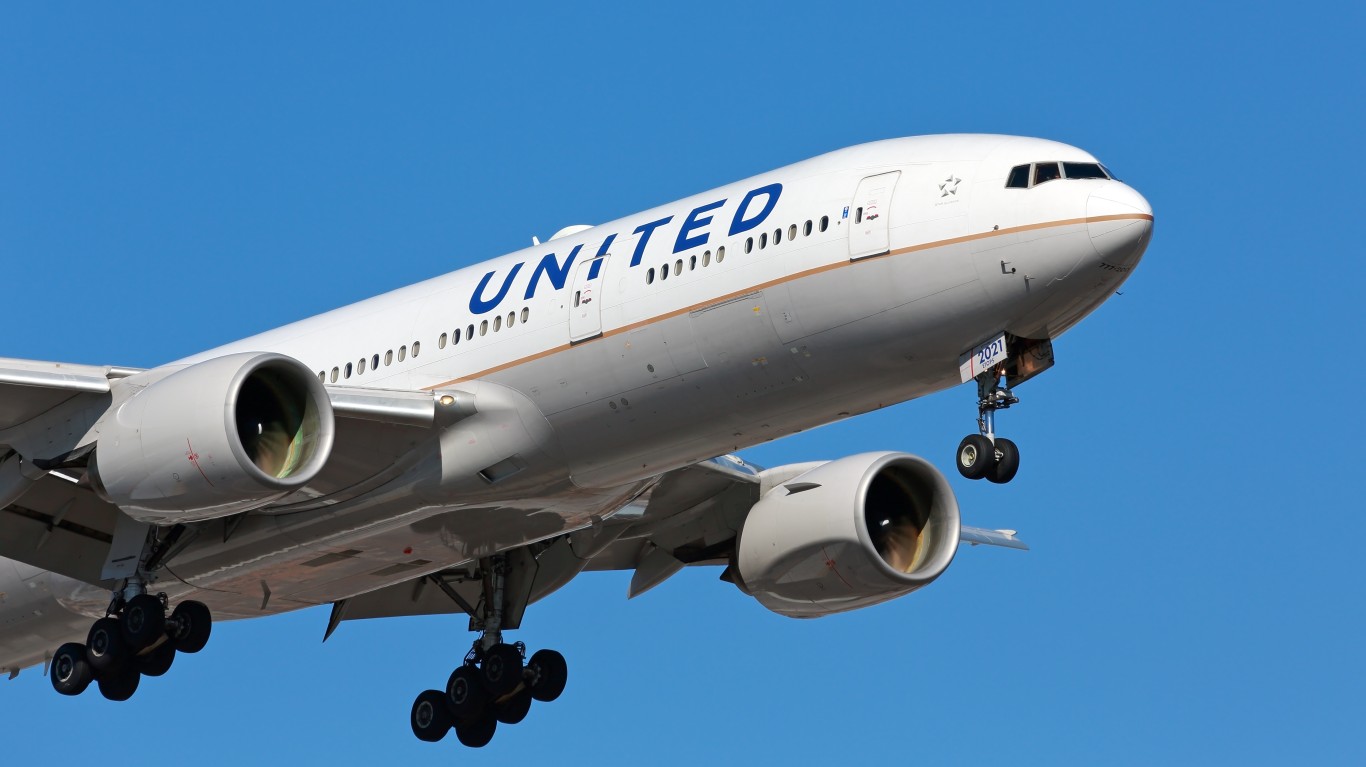
The organic case is already working. United posted Q2 2026 adjusted EPS of $1.99, versus a $1.85 consensus, on $17.67 billion in revenue, up 16.0% year over year, and raised full-year adjusted EPS guidance to $9.00 to $11.00. Premium revenue climbed 16%, cargo 23%, and contracted business 27%. Kirby said: “United is built to thrive in every environment. … Our network expansions, investment in Starlink, and innovations such as Relax Row are giving customers new reasons to choose United.”

Realistic paths forward:
- Deeper joint ventures. Deepening alliances with ANA, Lufthansa, and Air Canada offers the scale economics of a merger without the antitrust risk.
- Asset picking. Grabbing gates and slots freed by Spirit Air’s collapse extends United’s hub grip without a headline transaction.
- Premium organic buildout. The A321XLR, 787-9 Elevated Polaris Studio, and fleet-wide Starlink by 2027 underpin the “two global premium carriers” thesis.
- Balance sheet. Management is targeting an investment-grade credit rating in 2026, cushioning $26.5 billion of debt and financial liabilities against fuel volatility. WTI crude already swung from $60.04 in January to $102.13 in May before easing to $84.81 in June.
The Long Game on American
American’s stock is up 45.4% over the past year but still down 55.7% over 10 years. If negative equity persists and losses recur, Isom’s “non-starter” may age poorly. Kirby’s own Q1 line still applies: “Moments of uncertainty for the airline industry may also create opportunity for United.” Rejected, not retreating.


Contact [email protected] for any questions or corrections.
Trey has been an editor and author at 24/7 Wall St. for more than a decade, where he has published thousands of articles analyzing corporate earnings, dividend stocks, short interest, insider buying, private equity, and market trends. His comprehensive coverage spans the full spectrum of financial markets, from blue-chip stalwarts to emerging growth companies.
Beyond 24/7 Wall St., Trey has created and edited financial content for Benzinga and AOL's BloggingStocks, contributing additional hundreds of articles to the investment community.
Trey's editorial expertise extends across multiple publishing environments. He served as production editor at Dearborn Financial Publishing and development editor at Kaplan, where he helped shape financial education materials. Earlier in his career, he worked as a writer-producer at SVE. His freelance editing portfolio includes work for prestigious clients such as Sage Publications, Rand McNally, the Institute for Supply Management, the American Library Association, Eggplant Literary Productions, and Spiegel.
Outside of financial journalism, Trey writes fiction and has been an active member of the writing community for years, moderating workshop sessions at regional conventions.