Archer Aviation Drops 6%, EHang Slides 7%, Joby Falls 5%: Is Cathie Wood Right to Keep Buying Air Taxi Stocks?

This post may contain links from our sponsors and affiliates, and Flywheel Publishing may receive compensation for actions taken through them.

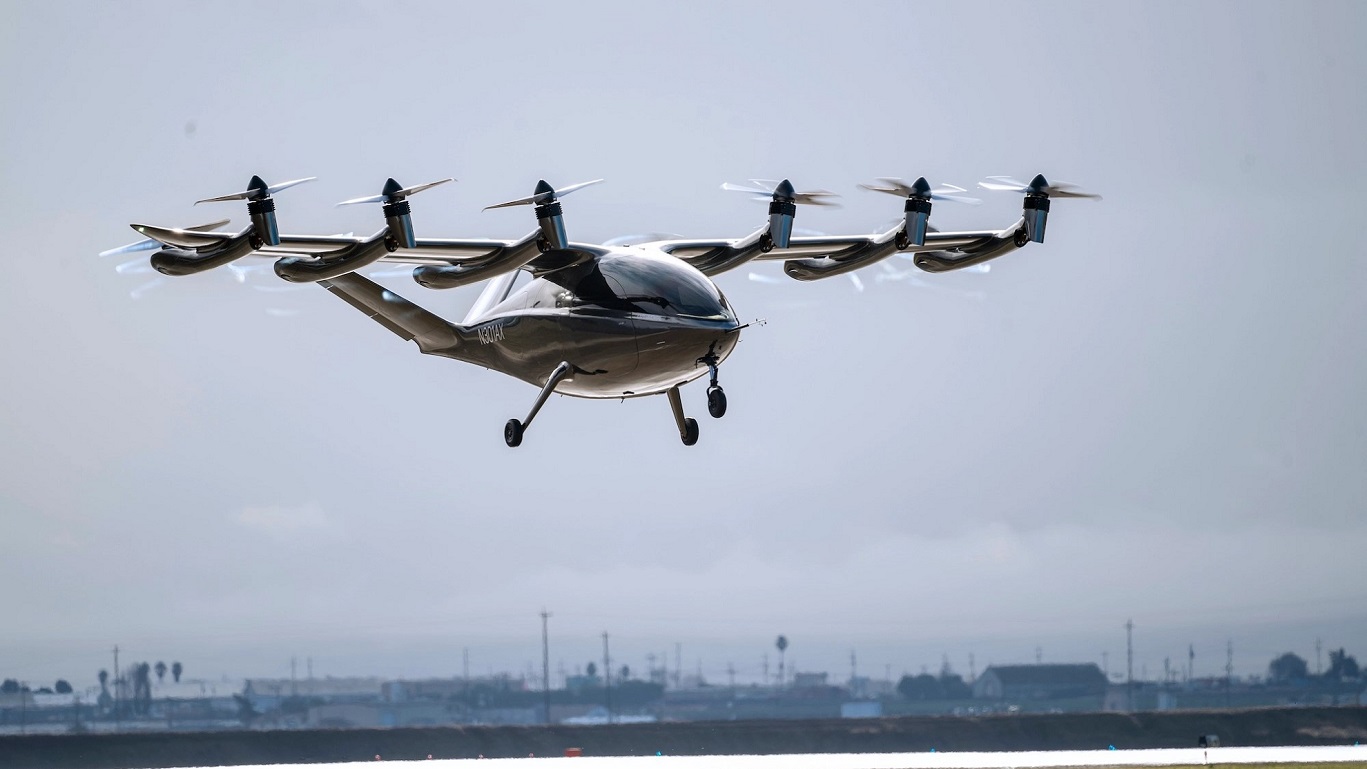
Air taxi stocks are extending a rough week. Archer Aviation (NYSE:ACHR | ACHR Price Prediction) has become the clearest test of whether patient money from ARK Invest’s Cathie Wood can survive cash burn and dilution. Archer stock is at $3.79, down 6% in morning trading. That slide leaves Archer stock down 50% year to date (YTD).
The pressure on Archer tracks a broad retreat from speculative growth names. Stocks slid as NVIDIA (NASDAQ:NVDA) led artificial intelligence (AI) names lower ahead of its earnings. The S&P 500 is down 1.2%, and the NASDAQ 100 is down 1.7%.
In its Q3 2026 results on November 9[1], Archer posted revenue of $5.10 million and a net loss of $274.6 million. The company’s loss of $0.35[1] per share missed expectations of a $0.245 loss. Management also said its purchase of three units from Boeing (NYSE:BA) should close much sooner than year-end, with only one approval outstanding.

Cathie Wood Keeps Buying Archer on the Way Down
ARK Invest has been adding Archer shares as the price falls, according to a Yahoo Finance report on November 16. Last week brought consecutive days of ARK buying in Archer. That followed late-October purchases in which ARK added Joby Aviation (NYSE:JOBY) alongside Archer.
Wood’s mobility thesis leans heavily on autonomy. In a CNBC interview on November 6, she said “If anything robo taxi has hit escape velocity delighting consumers,” a remark about ground-based robotaxis. Archer’s electric vertical takeoff and landing (eVTOL) aircraft are earlier in that journey, with piloted Los Angeles flights under the federal eVTOL Integration Pilot Program still ahead.
What EHang and Joby Say About Archer’s Slide
The steepest drop belongs to EHang Holdings (NASDAQ:EH), a China-based operator already flying pilotless passenger drones in limited markets. EHang stock is at $3.44, down 7%. The decline leaves EHang stock down 74% YTD, a deeper hole than Archer’s.
With its Q2 2026 results on August 25[2], EHang withdrew its full-year 2026 revenue guidance after a late-June light-sport aircraft accident in China slowed passenger approvals. CEO Huazhi Hu stated that “EHang has entered an important strategic transition, moving from obtaining certifications toward operational readiness, scenario validation, capability deployment and global expansion.”[2]
Joby stock is at $4.82, down 5%, a softer drop than Archer’s. On a YTD basis, Joby stock is down 63%, a steeper slide than Archer’s. Record passenger traffic at Blade, Joby’s helicopter business, led the company to raise its full-year 2026 revenue outlook to $135 million to $140 million[3] on November 4.

Joby faces scrutiny over its ongoing cash use, share issuance and the recent departure of a senior finance leader. Management expects second-half 2026 cash use of $385 million to $415 million[3].
Three Business Models Behind the Air Taxi Selloff
Archer is putting together a commercial and defense platform, combining its Midnight air taxi with engine and battery sales to Anduril and the pending Boeing assets. The Insitu drone unit would give Archer an established defense revenue stream while Midnight certification continues.
Joby runs a vertically integrated model, building aircraft and operating them itself, while Blade’s passenger flights generate nearly all of its current revenue. Joby continues pursuing Federal Aviation Administration (FAA) type certification and plans to house its defense work in the pending Resonant Sciences acquisition.
EHang takes the pilotless path, flying certified passenger drones in China and expanding abroad through regulatory sandboxes, a model that puts EHang furthest along in commercial flying, though it ties the business closely to Chinese regulators.
Can Patient Money Outlast Archer’s Cash Burn?
The bull case centers on Archer’s planned purchase of Boeing assets, FAA certification progress, partnerships and a defense expansion that could add revenue. The bulls also note that Boeing would become Archer’s largest shareholder once the deal closes.
The bears focus on how fast Archer spends. Archer ended Q3 with $785.1 million[1] in cash after its liquidity fell by $207 million during the quarter, and it guided to a Q4 2026 adjusted EBITDA loss of $185 million to $205 million.
Wood’s conviction could look early if Archer reaches paid passenger service before its cash runs thin, or wrong if delays force repeated capital raises and dilution. Air taxi names remain speculative by any measure, and sizing the exposure matters as much as picking the winner (we put a full playbook on trading with a small slice of a portfolio in a free guide here: Small Stakes, Big Swings). Archer’s coming test is whether the Boeing transaction closes and piloted Los Angeles operations begin. Investors can track whether Archer’s path to commercial launch settles ahead of further capital raises.
Contact [email protected] for any questions or corrections.
David Moadel is financial writer specializing in stocks, ETFs, options, precious metals, and Bitcoin. David has written well over 1,000 articles for leading online publications, helping investors understand markets, income strategies, and risk. His work has appeared in 24/7 Wall St., The Motley Fool, InvestorPlace, U.S. News & World Report, TipRanks, ValueWalk, Benzinga, Market Realist, MarketScreener, TalkMarkets, Finmasters, and others. With a master’s degree in education, David has taught at the elementary, high school, and college levels. That teaching background shapes his writing style: clear, educational, and practical. David has also built a loyal social-media audience by providing trustworthy financial content on YouTube, X/Twitter, and StockTwits.