Boeing Is Down 25% This Year, and a Director Just Bought In

This post may contain links from our sponsors and affiliates, and Flywheel Publishing may receive compensation for actions taken through them.
Boeing (NYSE:BA | BA Price Prediction) currently trades at $162.91, but the average analyst price target of $233.35 implies 43.24% upside.
One Boeing director has now added his own cash. Akhil Johri bought 3,000 shares on the open market at $166.689 each, about $500,067 in total, lifting his directly held stake from 150 shares to 3,150.
Johri chairs the board’s Finance Committee and is a former chief financial officer of United Technologies. The filing does not indicate a Rule 10b5-1 plan, so this was a discretionary purchase by someone trained to read cash flow and debt.
The market has moved the other way, and Boeing just set a 52-week low of $161.75, posted its lowest close since April 2025, and sits about 36% below its 52-week high of $254.35.
Why a Former CFO Paying Cash Carries Extra Weight
Johri, 64, has been a director since 2020 and also sits on the Audit Committee. Boeing pays him in phantom stock units instead of cash fees, and a filing earlier this year showed 11,318.852 of them.
Those units convert one-for-one into common stock after he leaves the board, which gives him exposure to the share price at no out-of-pocket cost. Adding cash on top of that was a voluntary decision to take on more risk.
The size of the purchase limits what it tells you. About $500,000 is modest for a company worth about $129 billion, so it reads as one director’s view of value.
Three Directors Bought In, and All Three Are Underwater
Johri is the third Boeing director to buy in less than three weeks, after Mortimer Buckley bought 5,820 shares at $171.55 and Steven Mollenkopf bought 2,950 shares at $173.03.
Those late-October buys are already about 5% to 6% underwater, and Johri’s shares sit about 2.3% below his cost. Directors can judge long-term value, but they have no special edge on where a stock trades over the next few weeks.
Bunched buying still carries information because several board members reached the same conclusion separately. Their small size caps how much weight the purchases deserve.
Analysts See 43% Upside Riding on a Delayed Ramp
Analysts remain constructive, with six Strong Buy ratings, 19 Buys, three Holds and no Sells. Price targets are only estimates, and these ones value Boeing on cash flow goals that are still years away.


Management guides to about $2 billion[1] of free cash flow this year, about $3 billion in 2027, about $6 billion in 2028 and $10 billion in 2029. Near-term execution remains weak, as Boeing’s third-quarter core loss of $0.34[2] per share missed the consensus estimate for a $0.201 loss, and Commercial Airplanes ran a -6.5% operating margin.

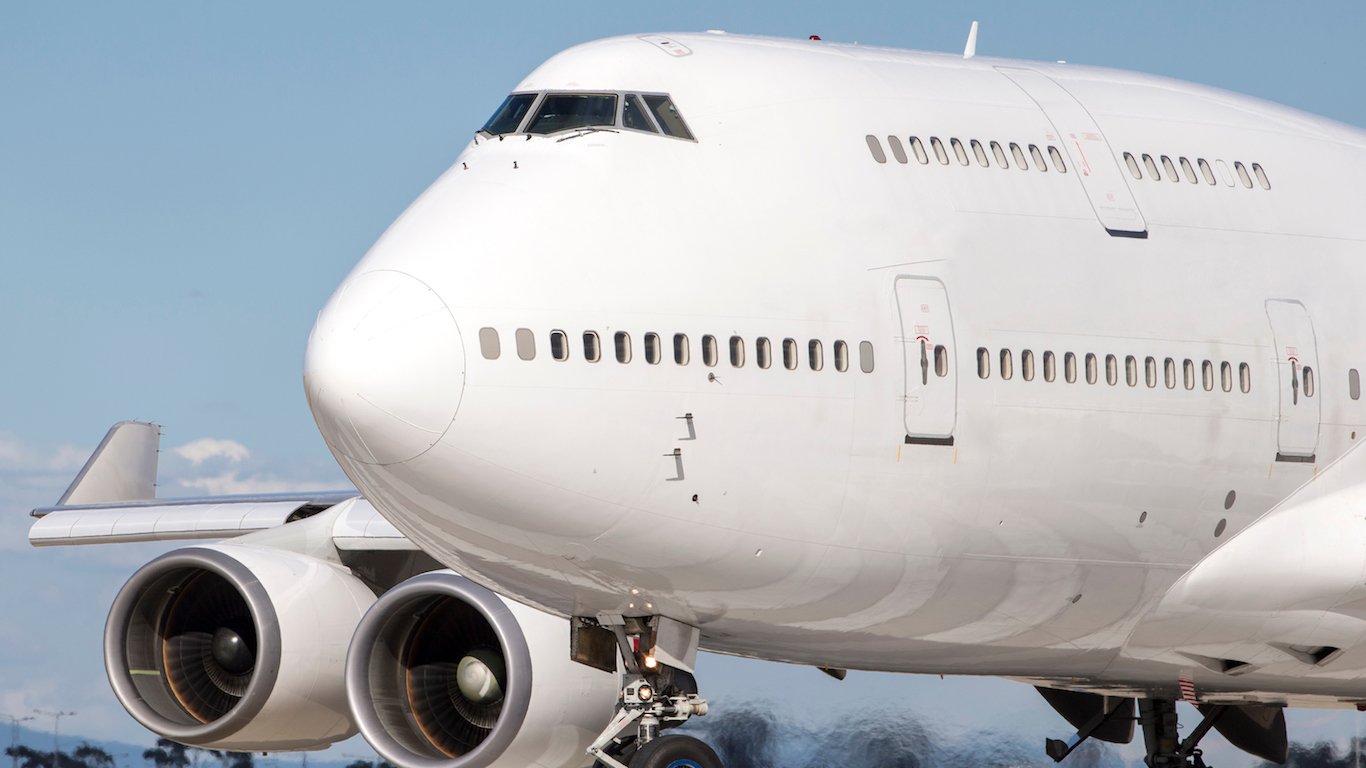
The 737 ramp to 47[1] jets a month is also running late. “I am expecting it will take us into next year to get fully stable at this rate,”[1] CEO Kelly Ortberg said.
What Boeing Needs to Win Back This Year’s Losses
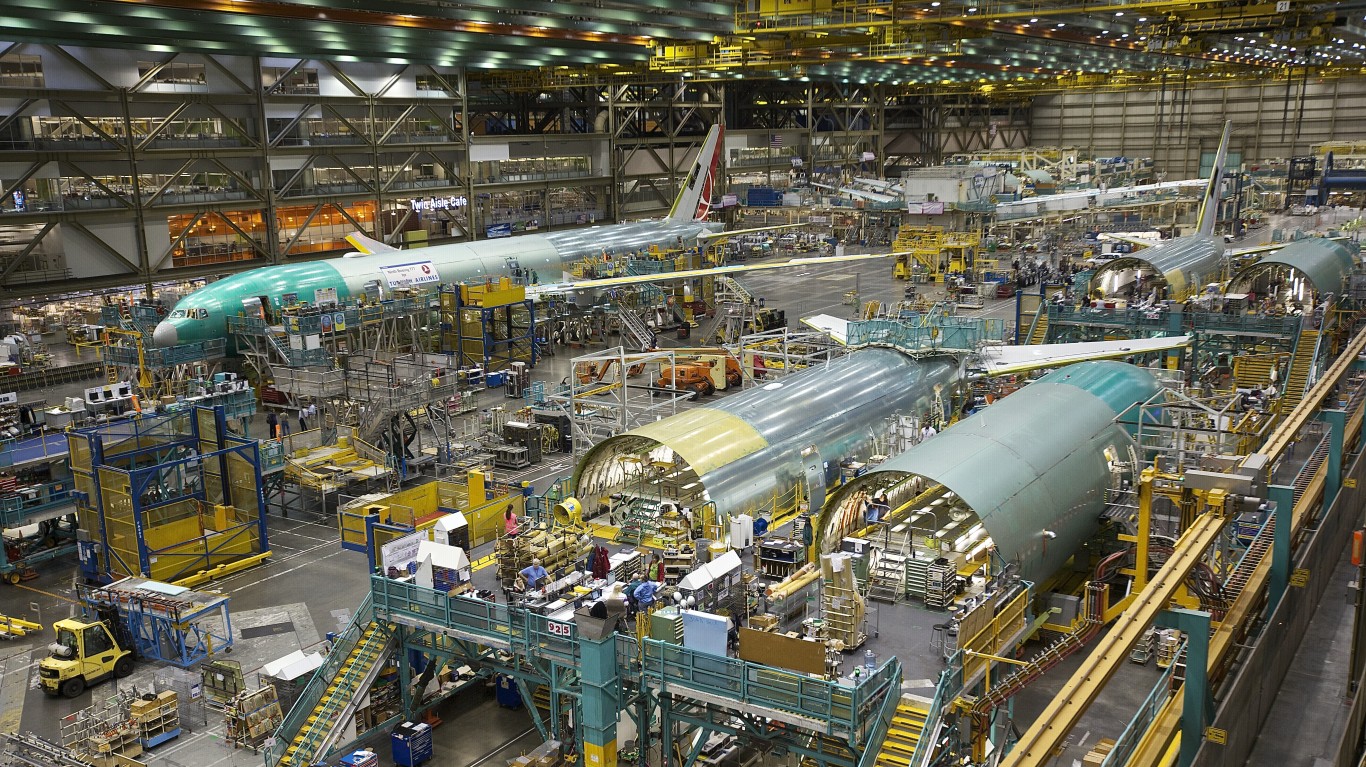
Boeing is down 24.97% this year while the S&P 500 has gained 7.08%. A recovery requires production, cash flow, and the balance sheet to improve together. Production comes first, because Boeing must steady wings and fuselages to reach 52[1] 737s a month in the back half of 2027.
Demand remains strong, and the backlog is a record $745 billion[2], including $612 billion of commercial orders for more than 6,300 planes, and the Navy’s F/A-XX fighter award opens a new path for defense growth.
Risks remain because the 777X still lacks full flight-test authorization, capital spending rises to about $5 billion[1] in 2027, and the mandatory convertible preferred adds dilution.
What Would Make Boeing’s Recovery Case Stronger or Weaker
The bullish case improves if the 737 reaches stable output at 47 a month early next year, because that keeps the $3 billion[1] free cash flow target for 2027 within reach. The case undermines if wing and fuselage problems push rate 52 beyond 2027, since each delay moves the $10 billion goal further out while $45.9 billion[2] of debt remains.
The evidence tends positive. A record backlog, three directors buying at higher prices and a 43.24% gap to the target outweigh a slow ramp, although the insider buys are too small to carry the case alone.
GE Aerospace (NYSE:GE) offers exposure to the same aircraft demand with less factory risk. It beat third-quarter estimates with adjusted EPS of $2.25, raised its 2026 free cash flow guidance to $9.1 billion to $9.4 billion, and supplies the 737 MAX’s LEAP engines through a joint venture.
Contact [email protected] for any questions or corrections.
Omor Ibne Ehsan is a writer at 24/7 Wall St. He is a self-taught investor with a focus on growth, cyclical, and dividend equities that have strong fundamentals, value, and long-term potential. He also has an interest in high-risk, high-reward investments such as penny stocks.