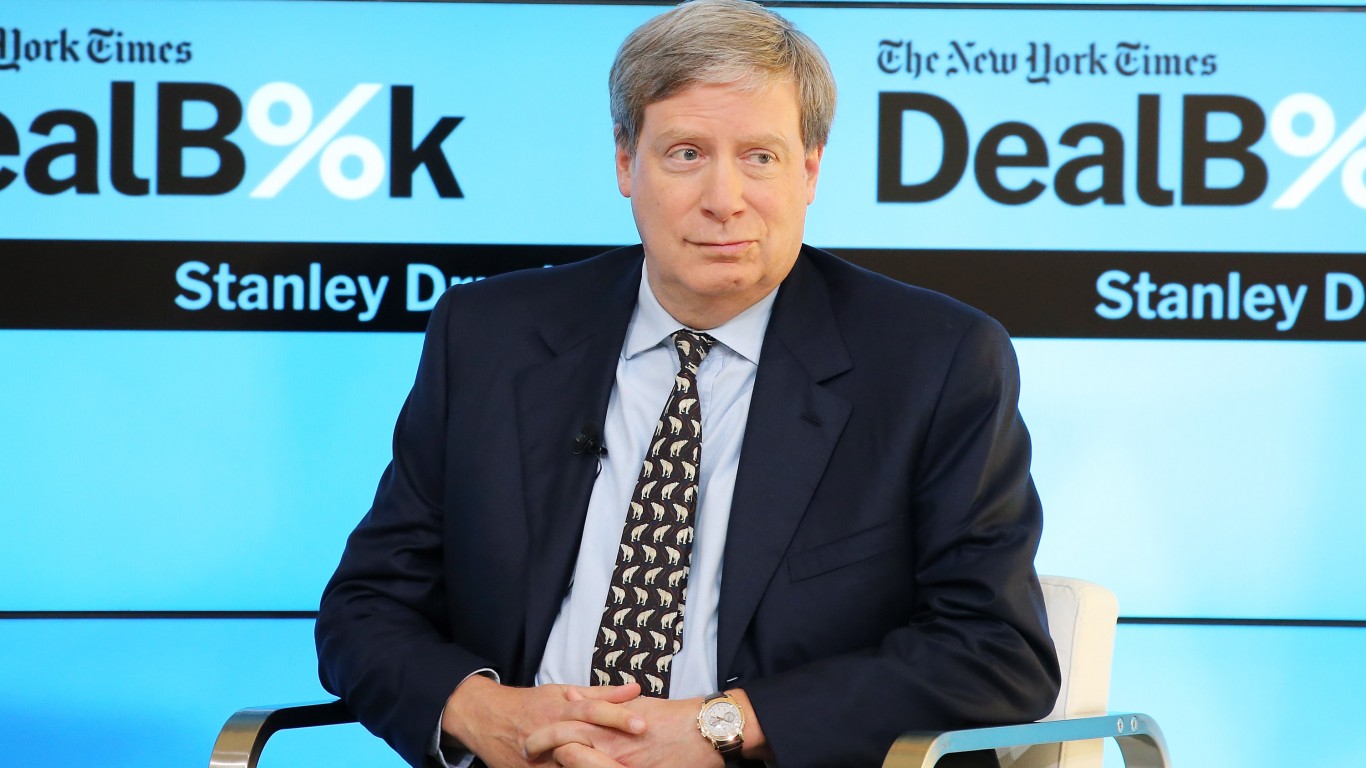
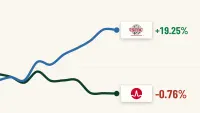
Billionaire Andreas Halvorsen Exited Microsoft and Made TSMC His Top Holding at $1.8 Billion

This post may contain links from our sponsors and affiliates, and Flywheel Publishing may receive compensation for actions taken through them.

Andreas Halvorsen’s Viking Global Investors sold its entire Microsoft (NASDAQ:MSFT | MSFT Price Prediction) stake during the third quarter. It ended September with Taiwan Semiconductor Manufacturing (NYSE:TSM) as its largest reported holding.
That was according to a 13F filed Nov. 16. On Sept. 30, the TSMC position was worth $1.8 billion. That was 5.45% of Viking’s $32.7 billion reported portfolio, after the fund added shares.
Viking Traded a Cloud Giant for AI’s Factory Floor
The swap moves Viking down the AI supply chain. Microsoft is spending heavily on AI capacity. Capital expenditures hit $39.37 billion[1] in its fiscal first quarter, more than double the $19.39 billion it spent a year earlier.
Free cash flow for fiscal 2026 fell 6.5%[2] to $66.99 billion. At about 27 times earnings and a 1.86% free cash flow yield, investors are paying a premium for the cash data centers keep taking in.
Operations are running smoothly. Azure grew 48%[1], and commercial remaining performance obligations, which measure signed future revenue, reached $677 billion. Viking sold anyway.

TSMC takes in much of that spending. Third-quarter revenue rose 41.2%[3] in U.S. dollar terms to $46.72 billion[3], with a 66.4% gross margin. Chips made at 7nm and smaller accounted for 79%[3] of wafer revenue.
Management guided fourth-quarter revenue of $52.3 billion to $54.3 billion[3] and expects full-year growth of about 44%. CEO C.C. Wei said on the October call, “Demand is extremely robust. We did not see any sign of a slowdown.”[4] He added, “All the AI players are working with TSMC.”[4]

Those numbers point to Viking’s apparent thesis. Microsoft carries the cost of the AI expansion. TSMC, meanwhile, makes revenue from nearly every leading AI chip, no matter which software platform wins.

Microsoft Was One of 36 Exits in a Single Quarter
Halvorsen’s team rearranged far more than two stocks. Viking held 90 positions at the end of June. During the quarter, it cut 57 of them, reducing 21 and selling out of 36. It added 25 holdings, opened 25 new ones, and ended September with 79.
A 13F only shows where a fund stood at the start and end of a quarter, not the trades in between, the prices paid, or the reasons. These filings also arrive about 45 days after the quarter closes. Since then, TSMC shares have fallen 26.21% over the past month, including 20.07% in the past week. They closed at $319.34 on Nov. 20. Only Viking knows whether it still holds the stake.
Should Retirement Investors Follow Halvorsen Into TSMC?
For investors who own a few big names, the biggest lesson is how often top funds rotate. Viking rebuilt a large share of its portfolio in three months, and trading at that pace in a retirement account means taxes, trading costs, and constant second-guessing.
TSMC’s case rests on its own numbers: fast revenue growth, wide margins, and demand that Wei says still exceeds supply. It fits the profile of early-stage winners in a secular tech cycle. It is the same pattern we broke down in a free playbook on spotting the next Nvidia. There are risks, though. Wei flagged pressure in consumer markets and said TSMC is “being prudent”[4] as it heads into 2027. Its overseas fabs also weigh on margins.
The conclusion: Halvorsen’s move is worth studying as a view on where AI profits are building up. As a trading signal, it’s weak. The filing shows Viking’s holdings on Sept. 30, and the fund remakes its portfolio every quarter. For retirement investors, TSMC’s fundamentals justify a closer look, and how much they buy matters more than matching Viking.
Contact [email protected] for any questions or corrections.
David Beren has been a Flywheel Publishing contributor since 2022. Writing for 24/7 Wall St. since 2023, David loves to write about topics of all shapes and sizes. As a technology expert, David focuses heavily on consumer electronics brands, automobiles, and general technology. He has previously written for LifeWire, formerly About.com. As a part-time freelance writer, David’s “day job” has been working on and leading social media for multiple Fortune 100 brands. David loves the flexibility of this field and its ability to reach customers exactly where they like to spend their time. Additionally, David previously published his own blog, TmoNews.com, which reached 3 million readers in its first year. In addition to freelance and social media work, David loves to spend time with his family and children and relive the glory days of video game consoles by playing any retro game console he can get his hands on.