Rigetti Surges 17% as Jensen Huang’s Return to NVIDIA Lifts Quantum Stocks; D-Wave Rallies 15%, IonQ Jumps 14%

This post may contain links from our sponsors and affiliates, and Flywheel Publishing may receive compensation for actions taken through them.

A broad tech rebound triggered by NVIDIA (NASDAQ:NVDA | NVDA Price Prediction) restoring Jensen Huang as CEO is pulling quantum computing stocks sharply higher. Rigetti Computing (NASDAQ:RGTI) stock is trading at $8.37 this morning, up 17%, leading the group. That rally reads as a sector move for Rigetti, with traders treating the NVIDIA news as a green light for the wider advanced-computing trade.
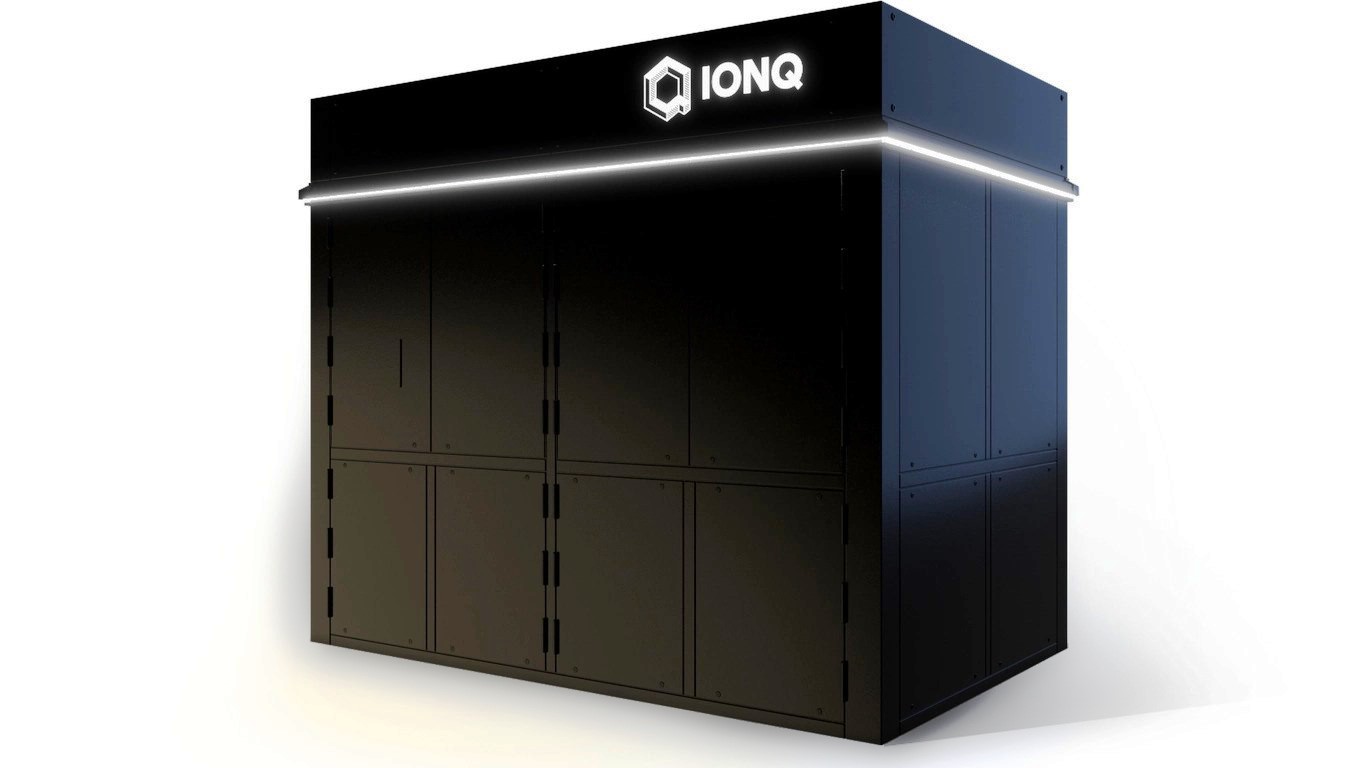
D-Wave Quantum (NYSE:QBTS) stock is at $7.50, up 15%. IonQ (NYSE:IONQ) stock is at $23.72, up 14%. Meanwhile, Quantum Computing Inc. (NASDAQ:QUBT) stock is at $4.89, up 11%, rounding out a quantum group that’s moving together.
Huang’s Reinstatement Ignites a Tech Rally
NVIDIA disclosed on November 23 that Huang has returned to the top job at the company, with immediate effect, after a unanimous board vote. Interim chief Colette Kress now goes back to her role as chief financial officer. Kress had steered NVIDIA through a leadership transition and an ongoing board investigation[1].
Shares of NVIDIA soared on Huang’s return as the broader market rose. The NASDAQ 100 is up 7%, while the S&P 500 is up 5%. Technology is the best-performing sector with a 9% gain, as Huang’s return lifts sentiment after last week’s selloff in artificial intelligence (AI) stocks.
Why Quantum Stocks Follow NVIDIA’s Lead
NVIDIA develops quantum computing software called CUDA-Q. The chipmaker’s CUDA-Q platform now includes CUDA-Q Logical[1], a tool aimed at fault-tolerant quantum computing development. Market participants read that software link as a bridge between NVIDIA’s AI ecosystem and companies like Rigetti, which tend to trade as high-beta plays, meaning they swing harder than the overall market.
IonQ has the most direct tie, listing NVIDIA among its enterprise partners. Even so, IonQ’s gain trails Rigetti’s, and it’s the largest pure-play quantum name in the group by market value. D-Wave sits closer to Rigetti’s pace, and D-Wave also has its own link to IonQ as a manufacturing customer of IonQ-owned SkyWater.
Dilution worries came up last week, tied to IonQ’s $2 billion stock sale, a figure the company stated on November 18. Those concerns weighed on sentiment across the quantum group heading into the current bounce.
How Rigetti’s Hardware Differs From D-Wave and IonQ
Rigetti builds gate-model quantum computers on superconducting qubits, using a chiplet design that tiles smaller chips together to scale up. The company manufactures those chips in-house and makes revenue from on-premises system sales, cloud access and government research contracts, with national labs and quantum computing centers serving as core buyers for its on-premises machines. Such a mix leaves Rigetti more exposed to the timing of individual system deliveries than IonQ, whose business spans several product lines.
D-Wave takes a dual-platform approach, combining annealing systems it calls production-ready for optimization work such as scheduling and logistics with a gate-model program still years from production. IonQ uses trapped-ion technology and has branched out into networking, sensing, security and foundry services through SkyWater. Quantum Computing Inc. relies on room-temperature photonics that skip the specialized cooling most rival approaches require, and acquired businesses now drive most of its revenue.
Can Rigetti’s Relief Rally Hold for Unprofitable Quantum Names?
Rigetti stock is still down 62% year to date (YTD), even after the bounce. Among the four, D-Wave has the steepest decline at 71% YTD, while IonQ is down 47% and Quantum Computing Inc. is down 52%. Those losses frame the central question of whether the rebound can stick for unprofitable, high-beta names.
Bulls have federal backing to point to, since Rigetti and D-Wave have each lined up CHIPS Act funding, and Huang’s return could keep NVIDIA’s quantum software push on track. Widening losses and lumpy revenue throughout the sector give the bears their counterargument. A key hurdle is Rigetti’s full-year 2026 revenue guidance of approximately $20 million[2], which hinges on customer acceptance of its C-DAC system in Q4 2026[3].
Rigetti now has to see if that C-DAC acceptance arrives on schedule. Macro data adds another variable: S&P Global’s flash Purchasing Managers’ Index (PMI) is scheduled for November 23, the consumer spending inflation report is due November 25, and U.S. markets close November 26 for Thanksgiving. Traders may prefer to keep their exposure smaller until the quantum rebound’s staying power is confirmed.
Contact [email protected] for any questions or corrections.
David Moadel is financial writer specializing in stocks, ETFs, options, precious metals, and Bitcoin. David has written well over 1,000 articles for leading online publications, helping investors understand markets, income strategies, and risk. His work has appeared in 24/7 Wall St., The Motley Fool, InvestorPlace, U.S. News & World Report, TipRanks, ValueWalk, Benzinga, Market Realist, MarketScreener, TalkMarkets, Finmasters, and others. With a master’s degree in education, David has taught at the elementary, high school, and college levels. That teaching background shapes his writing style: clear, educational, and practical. David has also built a loyal social-media audience by providing trustworthy financial content on YouTube, X/Twitter, and StockTwits.