Delta Air Lines Is Up More Than 20% This Year, but $1,000 From a Decade Ago Is Worth Less Than $2,000

This post may contain links from our sponsors and affiliates, and Flywheel Publishing may receive compensation for actions taken through them.
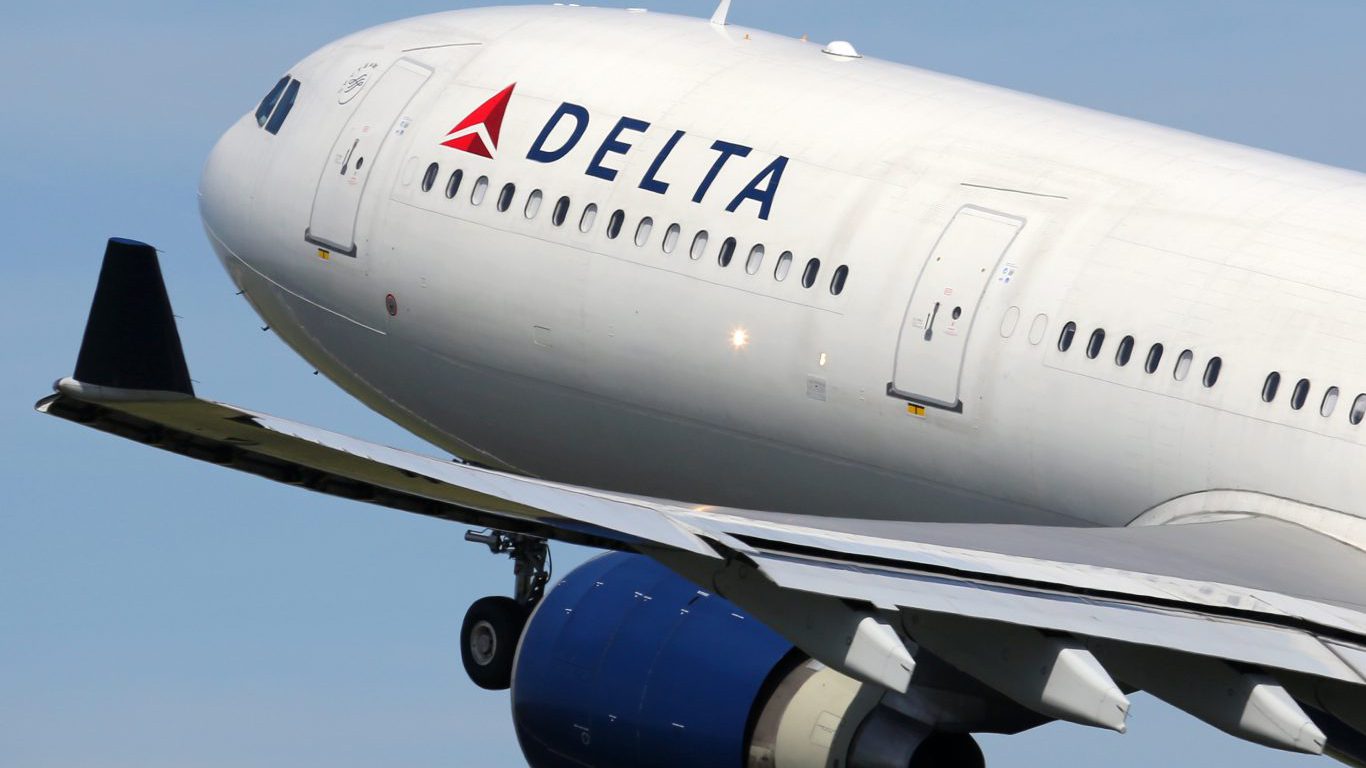
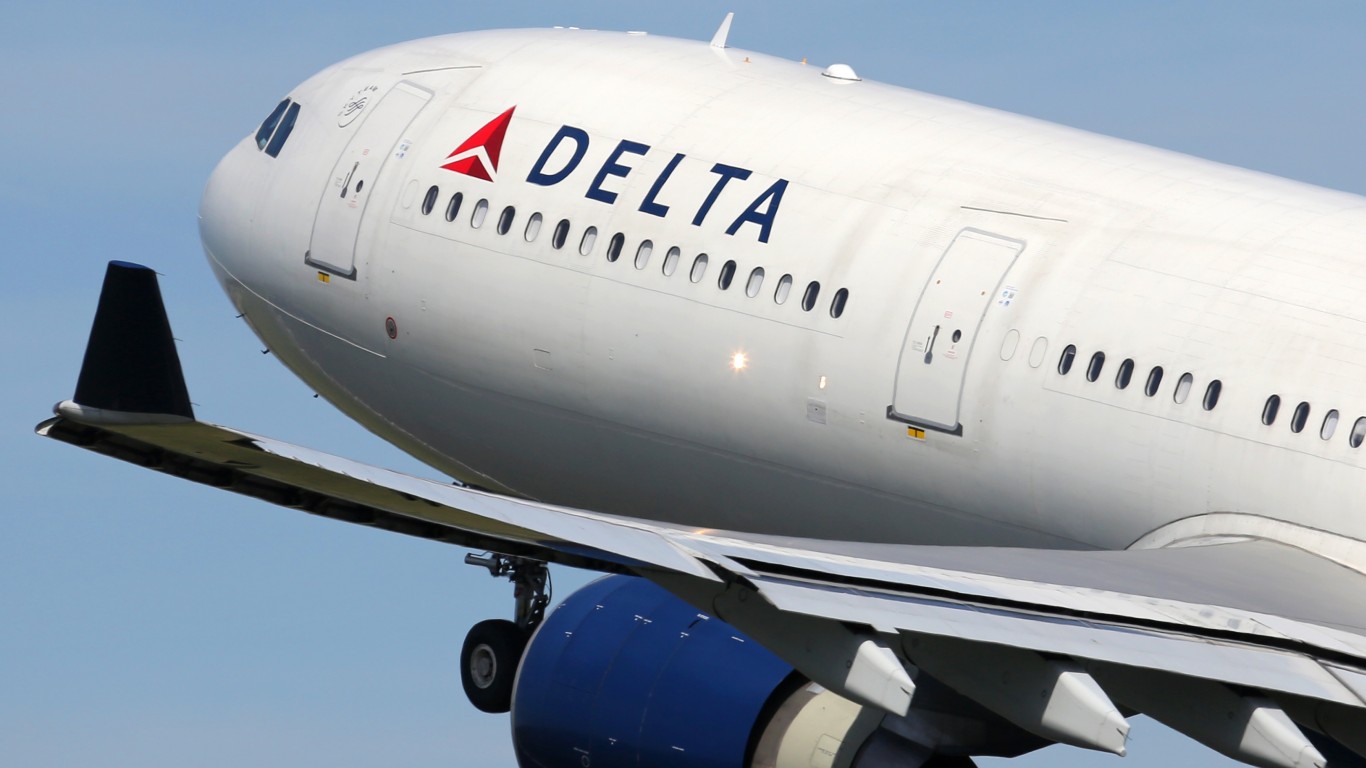
Shares of Delta Air Lines (NYSE:DAL | DAL Price Prediction) have gained 22.82% in 2026 through the November 23 close. Over a longer period, the result looks different: $1,000 invested a decade ago is worth about $1,926 today, assuming dividends were reinvested.
For retirement-focused investors, that gap reflects how an airline stock tends to behave, with strong runs, sharp downturns, and long recoveries.

How Delta Built a Premium Airline to Ride Out the Cycle
Delta operates up to 5,500 daily flights to more than 300 destinations. Airlines are cyclical because fuel, labor, and aircraft costs stay heavy while demand rises and falls with the economy.
The pandemic tested that model: Delta paid a $0.4025 dividend in February 2020, then paid nothing until July 2023, when it resumed at $0.10.
The recovery came from growing beyond Main Cabin tickets. Premium cabins, SkyMiles, cargo, and maintenance work now bring in 61% of adjusted revenue. Payments from American Express (NYSE:AXP) are on pace to top $9.00 billion[1] in 2026.
Premium Demand Kept Pace as Fuel Costs Jumped
Fuel was the main obstacle in this year’s rebound. Delta paid $3.61 per gallon[1] in the third quarter, up from $2.25 a year earlier. Even so, premium revenue grew 18%,[1] and cargo revenue grew 29%. Delta also has the Monroe Energy refinery, which covers part of its jet fuel needs and softens the blow.
Five Strong Years Couldn’t Rescue the Full Decade
1-Year Return
- Initial Investment: $1,000
- Current Value: $1,455
- Total Return: 45.51%
- S&P 500 (price-only): $1,096 (9.6%)
5-Year Return
- Initial Investment: $1,000
- Current Value: $2,207
- Total Return: 120.73%
- Annualized Return: 17.17%
- S&P 500 (price-only): $1,539 (53.86%)
10-Year Return
- Initial Investment: $1,000
- Current Value: $1,926
- Total Return: 92.56%
- Annualized Return: 6.77%
- S&P 500 (price-only): about $3,262 (226.06%)
Delta’s figures assume reinvested dividends. The S&P 500 figures are price-only and exclude dividends, so read the comparison as a rough guide rather than an exact match.
Your starting date decided most of the outcome. The five-year window opened at an adjusted $38.21, below the 10-year starting price of $43.80, so it got most of the recovery. Ten-year holders endured 2020 and a three-year dividend suspension while the price-only S&P 500 more than tripled.

Why Fuel Prices Could Decide Delta’s Next Move
The case for Delta improves if fuel prices fall and this year’s fare gains stick. CEO Ed Bastian said in October that “high fuel prices today are masking some of the inherent margin improvement,”[2] and Delta is aiming for a 15% return on invested capital.
The case weakens if fuel remains high. Delta expects to pay about $4.25 per gallon in the fourth quarter. Third-quarter adjusted EPS of $1.72[1] missed the $1.88 consensus, which ended a run of six straight beats.

Delta’s results across a full cycle depend heavily on fuel. Fuel is the biggest risk: Delta expects to absorb a $6B[1] rise in fuel costs this year.
Contact [email protected] for any questions or corrections.
David Beren has been a Flywheel Publishing contributor since 2022. Writing for 24/7 Wall St. since 2023, David loves to write about topics of all shapes and sizes. As a technology expert, David focuses heavily on consumer electronics brands, automobiles, and general technology. He has previously written for LifeWire, formerly About.com. As a part-time freelance writer, David’s “day job” has been working on and leading social media for multiple Fortune 100 brands. David loves the flexibility of this field and its ability to reach customers exactly where they like to spend their time. Additionally, David previously published his own blog, TmoNews.com, which reached 3 million readers in its first year. In addition to freelance and social media work, David loves to spend time with his family and children and relive the glory days of video game consoles by playing any retro game console he can get his hands on.