Delta Falls 3% on Cut Full-Year Profit Outlook as Fuel Costs Jump 62%; United and American Airlines Slip
A fuel shock hit Delta's quarterly earnings hard enough to force a full-year forecast cut, yet the airline's premium cabins and loyalty program held firm. Whether that cushion survives another costly quarter depends on answers Delta has not yet given.

This post may contain links from our sponsors and affiliates, and Flywheel Publishing may receive compensation for actions taken through them.
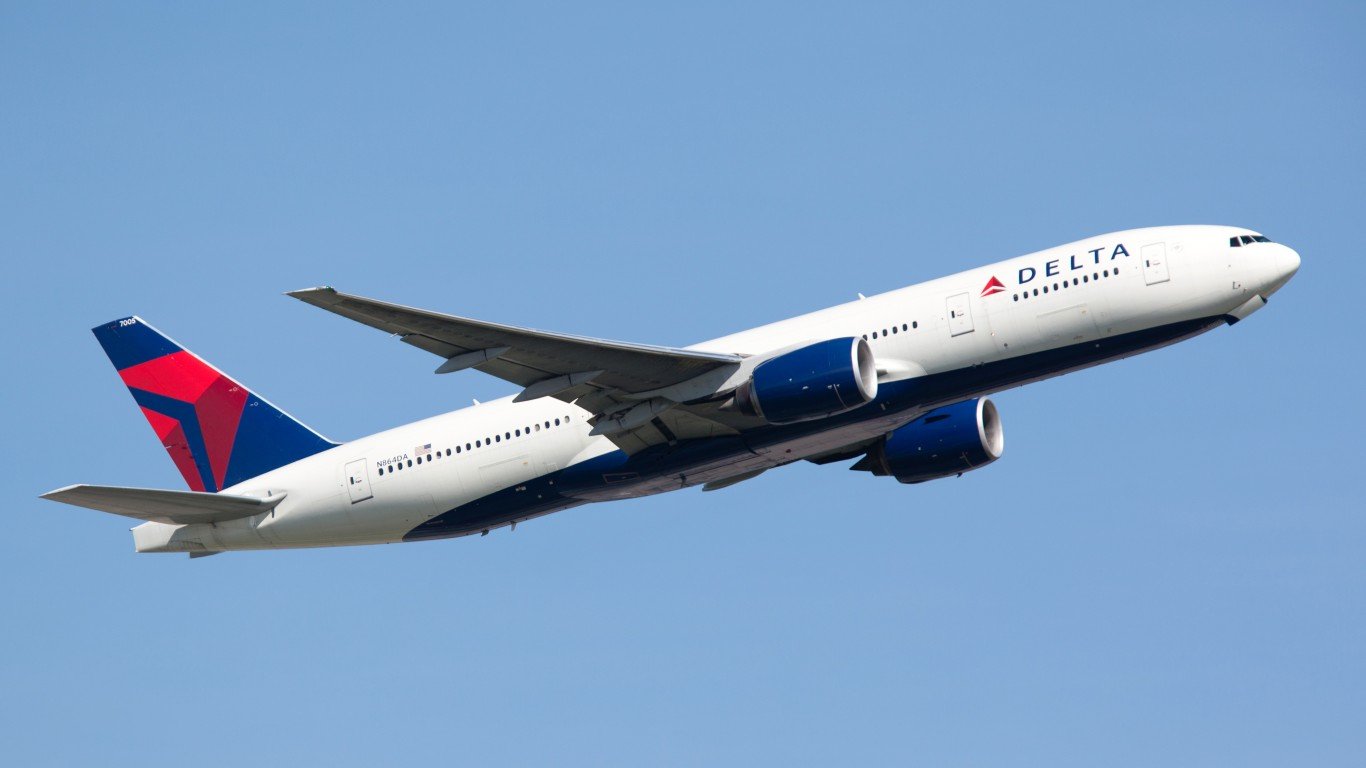
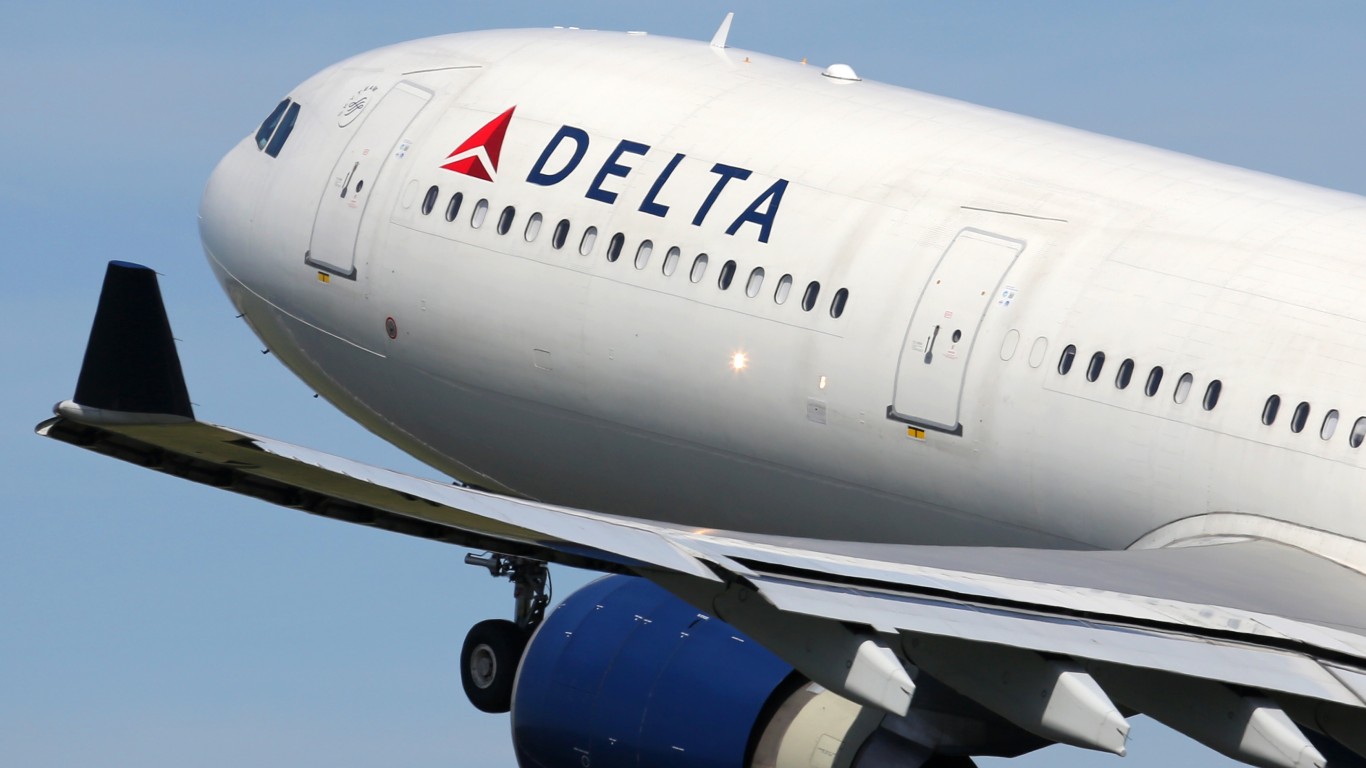
A fuel shock is rippling through airline stocks, and Delta Air Lines (NYSE:DAL | DAL Price Prediction) is absorbing the hardest hit after cutting its full-year outlook. Delta stock is at $80, down 3% in early trade, after the carrier’s third-quarter 2026 results came in below what analysts had expected.
Meanwhile, United Airlines (NASDAQ:UAL) stock is at $106.50, down 0.9%. Also, American Airlines (NASDAQ:AAL) stock is at $12.65, down 1%. Both peers are falling less than Delta stock, leaving the reporting carrier at the center of the selloff.
Across the sector, the U.S. Global Jets ETF (NYSEARCA:JETS), a basket of airline stocks, is down 0.5%. However, the SPDR S&P 500 ETF Trust (NYSEARCA:SPY) is up 0.4%. That difference marks a fuel story reaching the whole airline group, with Delta stock taking the largest share of the damage.
Fuel Bill Spike Forces a Forecast Cut
Delta reported adjusted earnings per share of $1.72 for the quarter, missing expectations, according to Delta Air Lines. Rising energy expenses drove the shortfall, with the carrier’s quarterly fuel bill climbing 62% from a year earlier, according to Delta Air Lines. The company lowered its full-year forecasts for adjusted earnings per share and free cash flow, citing fuel costs above guidance issued in July.

According to Delta’s chief financial officer, the reduction traced entirely to fuel and costs are set to rise again next quarter. CEO Ed Bastian addressed the results. He stated, “Demand remains strong, supported by consumers’ growing preference for experiences and travel, with air travel continuing to be one of the best values in the consumer economy.” That combination of firm demand and climbing input costs captures the central tension in Delta’s quarter.
Premium Cabins and Loyalty Cushion the Blow
Delta’s premium cabin and loyalty revenue grew year over year, and the company said its credit card remuneration rose as well, with spending from the airline’s most valuable customers softening part of the quarter’s damage and offsetting some of the margin pressure that fuel created. Looking ahead, the company plans to grow capacity next quarter, a reversal from its stance earlier in the year.
Relative to other network carriers, Delta leans on premium cabins, loyalty, and a co-branded credit card for a larger share of revenue, which gives it a partial buffer against fuel shocks. Jet fuel passes through to customers only to the extent fares absorb it, so sharp price moves hit every network carrier’s margin at once.
The bear case holds that a fuel shock sits outside management’s control, and Delta’s reduced forecast acknowledges that the pressure runs into next quarter. The bull case notes that demand and pricing held up well enough for Delta’s premium and loyalty businesses to keep growing through the same stretch, which suggests the carrier still commands strong fares. Which view prevails depends on how long Delta’s elevated fuel burden lasts.
What to Watch Next
Energy prices now set the tone for Delta’s outlook heading into year-end, since management expects costs to climb again next quarter. The question is whether Delta’s premium and loyalty momentum holds as the airline leans on higher fares to recover those expenses. Any softening on that front could strip away the buffer that limited Delta’s third-quarter damage.
Delta’s plan to add capacity next quarter gives shareholders a second test: whether the extra seats boost revenue faster than fuel lifts expenses. For United and American, the open question is whether fare increases across the group keep pace with jet fuel. Clearer answers could arrive with each carrier’s next quarterly update.
Contact [email protected] for any questions or corrections.
David Moadel is financial writer specializing in stocks, ETFs, options, precious metals, and Bitcoin. David has written well over 1,000 articles for leading online publications, helping investors understand markets, income strategies, and risk.His work has appeared in The Motley Fool, InvestorPlace, U.S. News & World Report, TipRanks, ValueWalk, Benzinga, Market Realist, TalkMarkets, Finmasters, 24/7 Wall St., and others.With a master’s degree in education, David has taught at the elementary, high school, and college levels. That teaching background shapes his writing style: clear, educational, and practical. David has also built a loyal social-media audience by providing trustworthy financial content on YouTube, X/Twitter, and StockTwits.