SpaceX Just Slid 11% in a Week. Can Elon Musk’s FCC Win for 1 Million Satellites Get SPCX Stock Back Above Its $135 IPO Price?

This post may contain links from our sponsors and affiliates, and Flywheel Publishing may receive compensation for actions taken through them.

A first-of-its-kind regulatory win for SpaceX (NASDAQ:SPCX | SPCX Price Prediction) arrived during a rough stretch for space stocks. SpaceX stock fell 11% over the past five trading days to $127.44 as of Wednesday’s close. Measured over the past month, SpaceX stock is down 13%.
That drop leaves SpaceX trading 5.6% below its $135[1] IPO price. Recovering that mark would take a 5.9% gain from Wednesday’s close. SpaceX shareholders are now considering whether a new decision from the Federal Communications Commission (FCC) can deliver that rebound.

FCC Clears SpaceX for 1 Million Starmind Satellites
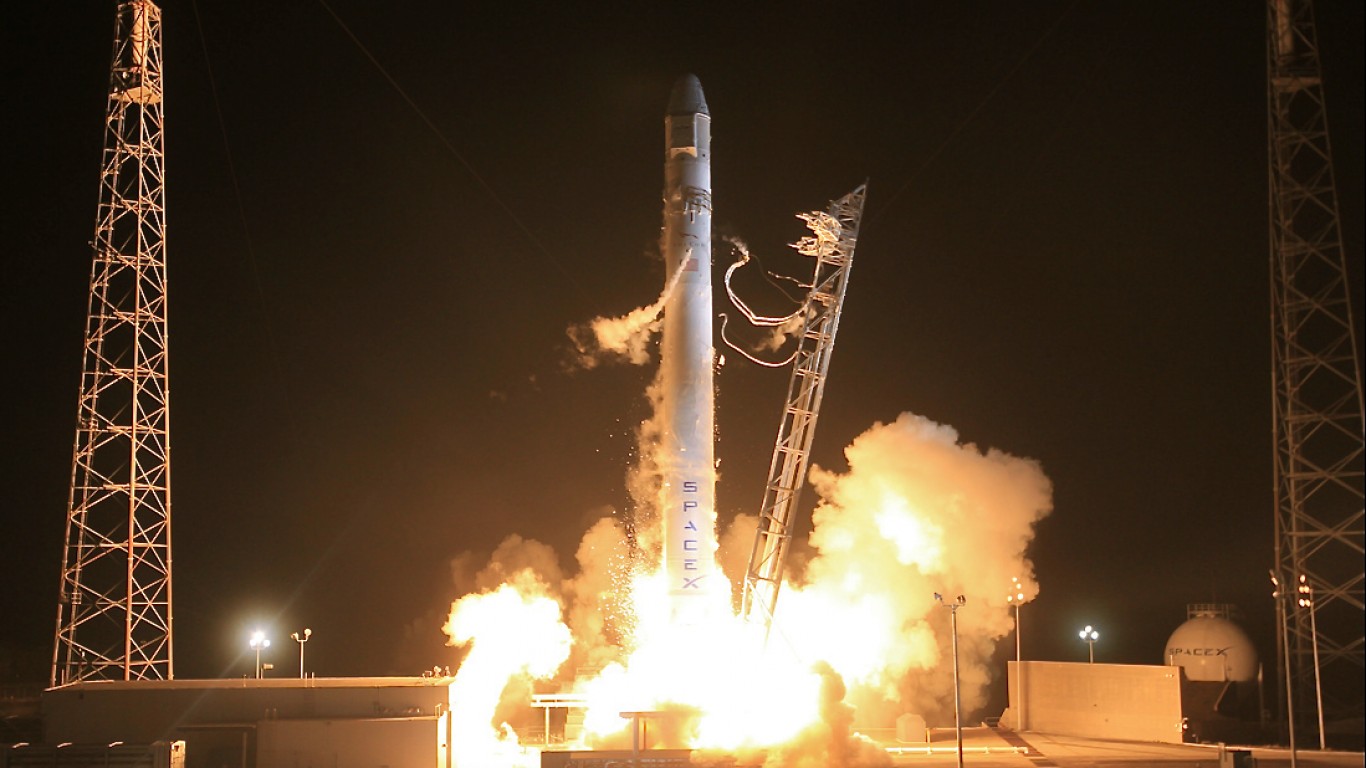
On November 25, the Federal Communications Commission authorized SpaceX to deploy up to 1 million[1] satellites for Starmind, an orbital artificial intelligence (AI) computing network built to process large amounts of data for use on Earth. It’s the first authorization of its kind in U.S. history. FCC Chairman Brendan Carr stated, “This action opens a bold new frontier for the computing infrastructure needed to power America’s leadership and growth.”
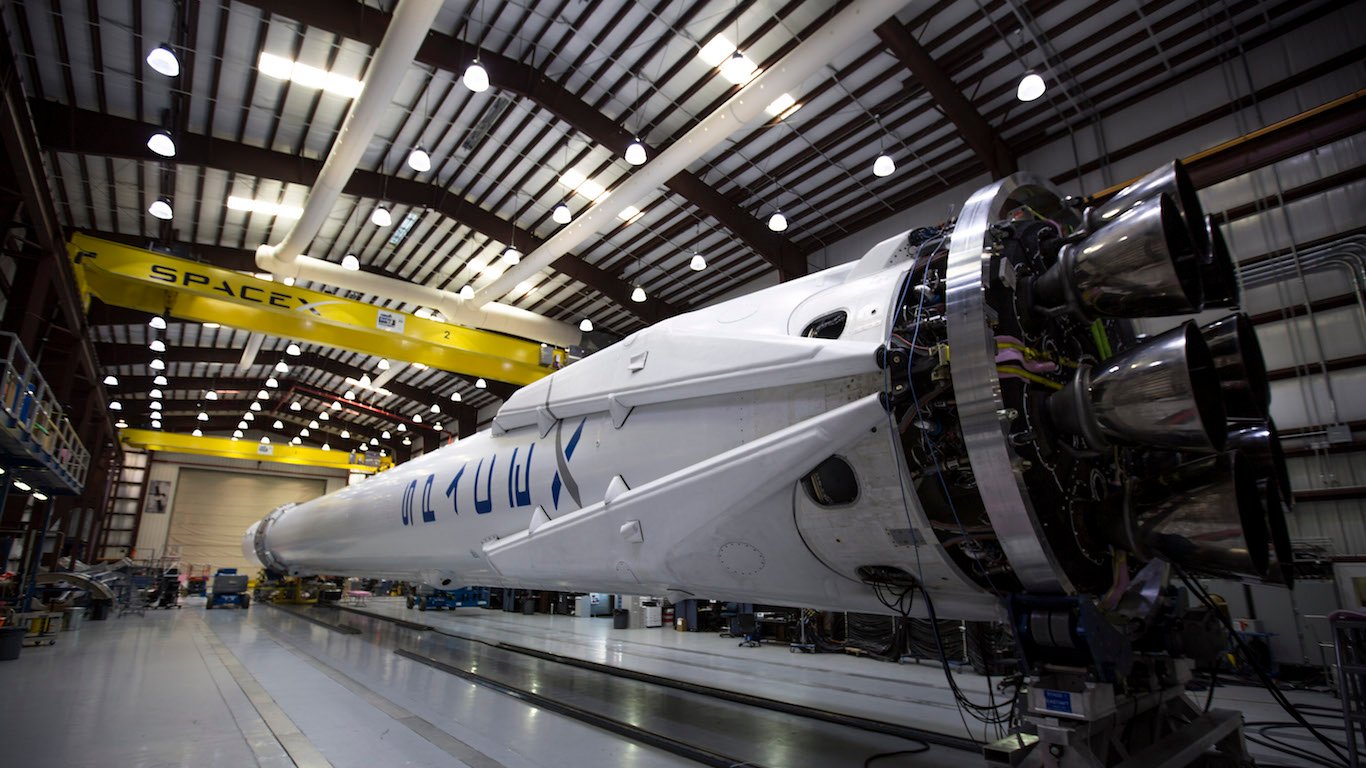
SpaceX founder Elon Musk replied on X: “Much appreciated. This will be a great asset to America and the world.” The company filed its application in January, arguing that constant solar power in space could lower AI computing costs. Starship is central to the plan, since SpaceX is counting on it to cut deployment costs.
What Starmind Could Add to SpaceX’s Existing Engine
The bulls see a hardware roadmap already taking shape. In August, Musk said SpaceX had designed a space-optimized Vera Rubin computing system with NVIDIA (NASDAQ:NVDA) for launch in Q4 2027, with significant scale expected in 2028. That timeline gives SpaceX a concrete partner for the chips Starmind would carry.
On top of the NVIDIA work, SpaceX brings a large operating base to the effort. Starlink serves over 13.6 million consumer subscribers[2] worldwide, and compute infrastructure in SpaceX’s Super Intelligence segment carries 1.7 gigawatts[3] of nameplate capacity. The power, cooling, and networking suppliers behind that kind of expansion rarely get the attention the chipmakers do. That’s why we rounded up seven of them in a free AI infrastructure report.
How Rocket Lab and AST SpaceMobile Compare
Checking in on the peers, Rocket Lab (NASDAQ:RKLB) stock was down 11% to $47.02 over the past five trading sessions as of Wednesday’s close, tracking SpaceX lower. Over the past month, Rocket Lab stock is down 13%, a similar slide. As a launch and spacecraft builder, the company operates at a far smaller scale, its reusable Neutron rocket hasn’t flown yet, and it’s adding satellite communications through a pending acquisition.
AST SpaceMobile (NASDAQ:ASTS) stock rose 2% over the past five trading days to $26.02 as of Wednesday’s close, cutting against the decline at SpaceX. On a one-month basis, though, AST SpaceMobile stock is down 34%, a far steeper drop than SpaceX’s. The company’s network connects directly to standard smartphones through mobile carrier partners, and it relies on outside launch providers, including SpaceX.
SpaceX stands apart by combining rockets, a consumer broadband network and AI compute under one roof, a vertical setup that makes a project like Starmind possible for SpaceX and much harder for Rocket Lab or AST SpaceMobile to attempt.
Weighing Starmind’s Promise Against Its Risks
The bears have environmental and engineering concerns on their side. A study published in Scientific American estimated that launching and maintaining a constellation the size of SpaceX’s Starmind could increase certain atmospheric pollution emissions more than 100-fold[1]. The Government Accountability Office has warned that space does not cool computing hardware efficiently, calling it a potential major engineering challenge for orbital data centers.
Starmind’s return is also years away, since SpaceX’s space-optimized Vera Rubin system isn’t scheduled to launch until late next year. Until then, SpaceX carries heavy capital expenditures for compute and Starship[4]. In its latest Beige Book, the Federal Reserve described a hot U.S. economy with modest price growth and rising wage pressure, a background that keeps interest rates in focus for long-dated growth stories.
SpaceX’s investors can point to how small the hurdle is. Recovering the IPO price needs only a single-digit gain, and the FCC has now approved SpaceX after several U.S. companies applied for data center constellations this year.
What It Would Take for SpaceX to Reclaim Its IPO Price
SpaceX’s next challenge is whether investors start pricing in orbital computing plans that may not produce revenue for years. Near-term trading may still follow the broader space group, which has moved lower alongside SpaceX over the past month.
Watch for evidence that Starship can bring SpaceX’s deployment costs down on schedule. A smaller share exposure could make sense until SpaceX’s Starmind timeline resolves.
Contact [email protected] for any questions or corrections.
David Moadel is financial writer specializing in stocks, ETFs, options, precious metals, and Bitcoin. David has written well over 1,000 articles for leading online publications, helping investors understand markets, income strategies, and risk. His work has appeared in 24/7 Wall St., The Motley Fool, InvestorPlace, U.S. News & World Report, TipRanks, ValueWalk, Benzinga, Market Realist, MarketScreener, TalkMarkets, Finmasters, and others. With a master’s degree in education, David has taught at the elementary, high school, and college levels. That teaching background shapes his writing style: clear, educational, and practical. David has also built a loyal social-media audience by providing trustworthy financial content on YouTube, X/Twitter, and StockTwits.