Delta CEO Said Fixing Air Traffic Control Is More Important Than Any AI Data Center

This post may contain links from our sponsors and affiliates, and Flywheel Publishing may receive compensation for actions taken through them.

Delta Air Lines (NYSE:DAL | DAL Price Prediction) CEO Ed Bastian used the Fortune 500 Innovation Forum on Nov. 16 to argue that U.S. airspace should get capital ahead of the AI expansion. Airline chiefs rarely rank airspace funding against AI spending in public. He spoke days after the FAA grounded flights nationwide, which put the backed up air traffic control system in the spotlight.

Bastian Ranks Airspace Above AI Spending
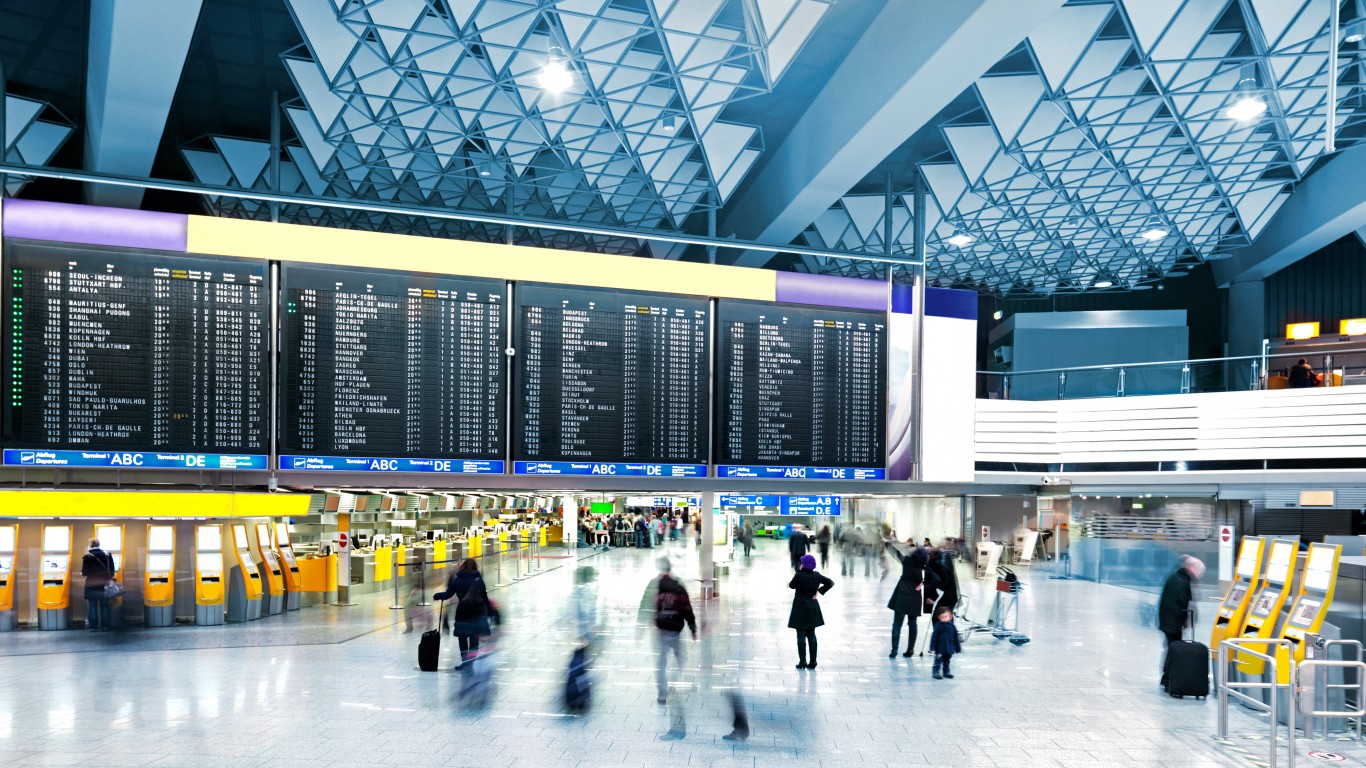
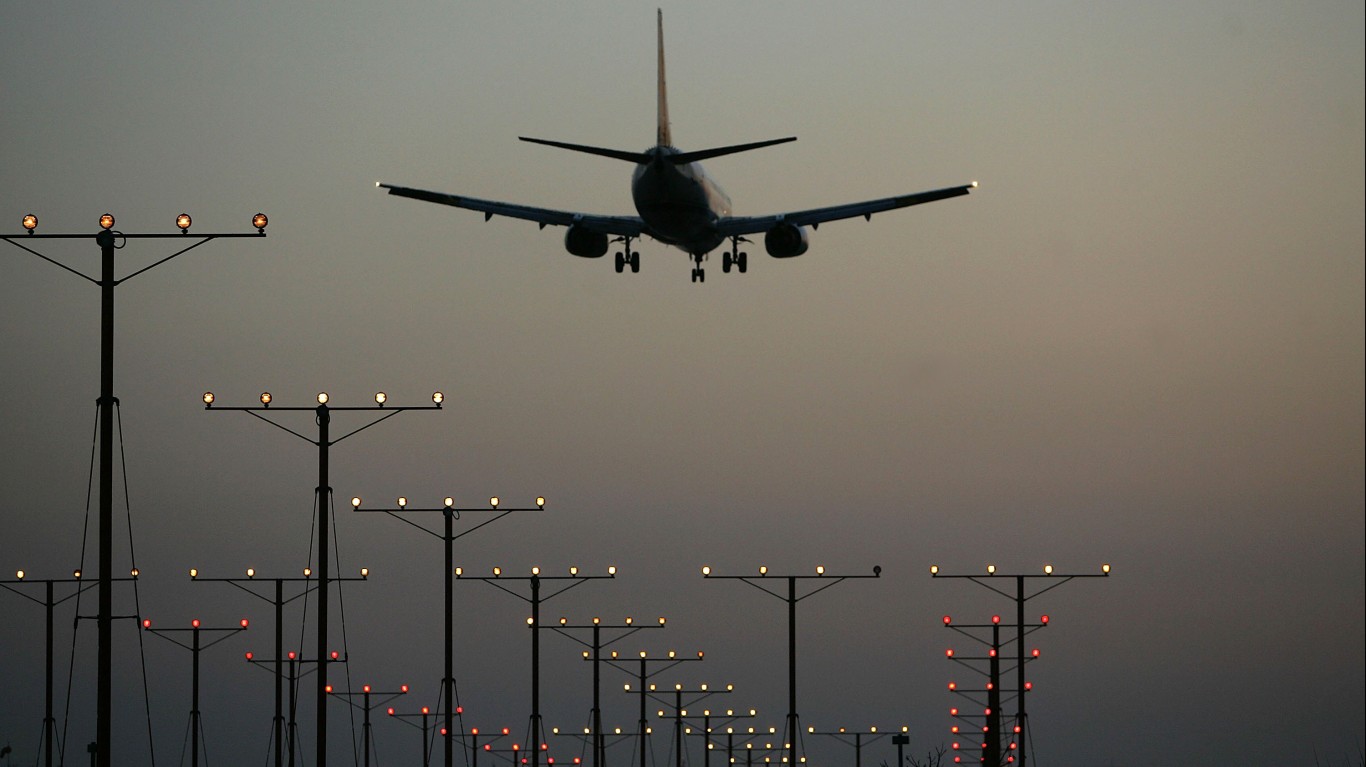
“We can’t even get $50 billion to fix our skies, which affects all of us at a much higher level than any individual data center,” Bastian said. The industry, he noted, is competing for capital that increasingly flows to AI data centers. Transportation Secretary Sean Duffy has asked Congress for $50 billion to overhaul the system and put the cost of the ground stop in the billions of dollars.
Delta is directly exposed to airspace congestion. It operates up to 5,500 daily flights. In the third quarter, summer storm disruptions cut capacity by nearly one point[1].
A Route That Has Gotten Slower Since the 1950s
“Today, it takes more time to fly from Atlanta to LaGuardia than it did in the 1950s when we first launched that flight, which is absurd,” Bastian said. He added that upgrades could let airlines add flights and lower ticket prices.
Time lost in the air costs money. Delta’s third-quarter non-fuel unit costs rose 7.3% YoY[1], and its adjusted operating margin fell to 9.4% from 11.1%. Management is targeting low-single-digit unit cost growth next year as capacity stabilizes and the operation improves.
Fuel Is Pushing Fares Higher
Bastian said Delta’s tickets cost 15% to 20% higher year over year because of jet fuel, and that strong demand allowed the airline to raise prices. Across the U.S., airfares rose 22.4% year over year in October.
Fuel drove the third-quarter results. Adjusted fuel expense rose 62% to $4.14 billion[1], at $3.61 per gallon versus $2.25 a year earlier. Adjusted EPS of $1.72[1] came in below the $1.88 consensus, Delta’s first miss in 7 quarters. Full-year EPS guidance now stands at $5.10 to $5.60[1], down from $6.50 to $7.50. “For the full year, we expect to generate a pre-tax profit of roughly $4.5 billion, absorbing a $6 billion increase in fuel costs[1],” Bastian said in October.

Premium and Loyalty Revenue Keep Growing
Premium revenue grew 18%[1] in the third quarter and freight rose 29%. American Express (NYSE:AXP) remuneration is on pace to top $9.00 billion[1] for the year. For the fourth quarter, Delta guided to EPS of $1.15 to $1.65[1] on roughly 20% revenue growth, with fuel at about $4.25 per gallon.
Duffy expects Congress to respond positively before the end of the year. Whether that funding comes through will decide how much more flying, and lower-cost flying, Delta’s network can handle.
Contact [email protected] for any questions or corrections.
After two decades of patrolling the dark corners of suburbia as a police officer, Rich Duprey hung up his badge and gun to begin writing full time about stocks and investing. For the past 20 years, he’s been cruising the markets looking for companies to lock up as long-term holdings in a portfolio while writing extensively on the broad sectors of consumer goods, technology, and industrials. Because his experience isn’t from the typical financial analyst track, Rich is able to break down complex topics into understandable and useful action points for the average investor. His writings have appeared on The Motley Fool, InvestorPlace, Yahoo! Finance, Money Morning, and, of course, 24/7 Wall St. He has been featured in both U.S. and international publications, including MarketWatch, Financial Times, Forbes, Fast Company, and USA Today.