US Regulators Have Changed Bank Crypto Rules With Every New President Since 2017. Why a Law Is Better for Bitcoin
Bank regulators have flipped their crypto stance with every new president since 2017, and Wall Street is already pricing in rules that the next administration could erase overnight. The fate of Bitcoin's banking access may hinge on a single question…

This post may contain links from our sponsors and affiliates, and Flywheel Publishing may receive compensation for actions taken through them.

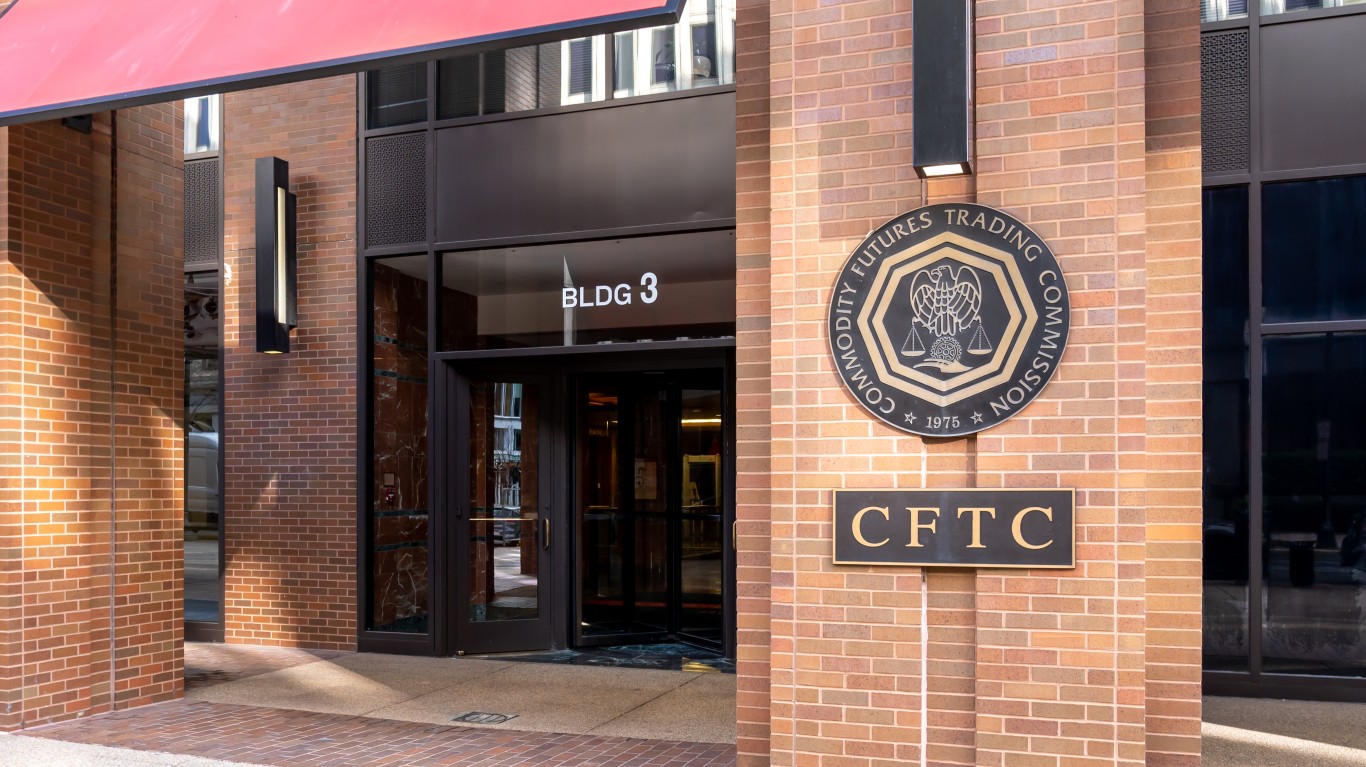
US bank regulators have shifted their bank crypto rules with each new president since 2017, alternating between allowing banks to hold Bitcoin (CRYPTO: BTC) for customers and warning against it. According to the Congressional Research Service (CRS), laws remain stable over time, while regulatory changes can be reversed quickly by the next administration.
For Bitcoin holders, these fluctuating policies impact how easily banks and their clients can buy and hold the cryptocurrency. As of October 2, 2026, Bitcoin is trading at about $85,975, reflecting a 3% decline this year and a 28.7% drop over the past year. This raises the question: how much of the recent regulatory optimism for crypto will endure through the next White House transition?
Bank Crypto Rules Have Flipped With Every President Since 2017

In July 2020, during President Trump’s first term, the Office of the Comptroller of the Currency (OCC) informed national banks that they could hold crypto for their customers. The OCC later issued guidance allowing banks to hold stablecoin reserves and operate blockchain nodes.
However, the Biden administration took a different approach. In November 2021, the OCC mandated that banks obtain their supervisor’s approval before engaging in any crypto activities. Additionally, the SEC’s 2022 accounting guidance made custody more expensive by requiring firms to list customers’ crypto as a liability. By early 2023, the Federal Reserve, the FDIC, and the OCC collectively cautioned banks about crypto risks.
This trend shifted again when Trump returned to office. In January 2025, the SEC eliminated its accounting guidance; in March 2025, the OCC lifted the sign-off requirement, and the FDIC and the Fed retracted their warnings that spring.
Why a Crypto Law Outlasts a Regulator’s Rules

Regulators can move quickly and act independently. For instance, an agency leader can issue guidelines, enact rules, or revoke old letters without needing a Congressional vote. This was evident when the SEC classified XRP as a digital commodity in March 2026. Conversely, the new agency head can also easily undo these actions.
In contrast, a law requires majorities in both houses of Congress and the president’s signature to be enacted. Reversing such a law demands a similar effort. For that reason, the GENIUS Act, enacted in July 2025, established stablecoin regulations as law. However, the broader CLARITY Act stalled in the Senate in September, leaving bank access to Bitcoin dependent on agency rules.
The CRS highlights this trade-off between speed and durability in its reports R48430 and R48963, and crypto has mostly received the faster, less stable option.
The SEC’s October 1 Custody Proposal Follows the Same Pattern

On October 1, 2026, the SEC proposed a cryptocurrency custody framework for investment advisers and funds. This plan could allow advisers to hold crypto on clients’ behalf through state trust companies and brokers. The public will have 60 days to comment after it appears in the Federal Register, but even if finalized, it will remain a regulation – the less durable option the CRS describes.
Wall Street has already started to act on such regulations. One major bank cited the SEC’s actions as a reason to offset the CLARITY Act’s failure when it raised its Bitcoin price target. Similarly, Bitwise’s Matt Hougan revised his outlook following the Senate vote. Both of these adjustments rely on support that a future SEC could retract just as swiftly as it was granted.
Can Today’s Bank Crypto Rules Survive the Next President?
A law offers greater stability for Bitcoin than regulatory guidelines because Congress must act twice to repeal it, while a regulator can revoke a rule on its own. Thus, the current favorable stance toward banks may only last as long as the officials who implemented it, leaving Bitcoin investors vulnerable to future policy changes.
This insight suggests much of the recent positive news may be short-lived, since it largely stems from agency actions. Until Congress passes a comprehensive crypto bill that codifies bank and custody rules into statute, uncertainty remains about whether any of today’s bank crypto rules will survive the next presidential administration.
Contact [email protected] for any questions or corrections.
Sam Daodu is a crypto analyst who's spent nearly a decade making blockchain understandable—no easy task when most whitepapers read like fever dreams. He writes for 24/7 Wall St., covering Bitcoin, altcoins, and crypto market analysis for investors. Before crypto, he was a tech writer (back when explaining "the cloud" was peak innovation). Since 2018, he's written for CoinTelegraph, Yahoo Finance, The Block, Cryptonews, Zypto, Rain, and more—basically anywhere people want crypto news without the headache. Sam runs MacLabs Marketing, a content agency for crypto brands tired of sounding like AI wrote their website. He also publishes free crypto education on his site for Web3 enthusiasts who think "gas fees" is a typo. When he's not writing or staring at charts, Sam's either: - Watching anime (currently convinced One Piece has better tokenomics than most altcoins) - At the gym sculpting himself into a Greek god - Listening to the music your mum warned you only bad boys listen to Connect: LinkedIn | Email | MacLabs Marketing