Bitcoin’s Privacy Solution: Zcash Takes the Lead Over Monero
Zcash and Monero have long competed for dominance in the privacy coin space, but a surge in institutional access, a landmark research paper, and a dramatic price gap are now forcing investors to choose sides.

This post may contain links from our sponsors and affiliates, and Flywheel Publishing may receive compensation for actions taken through them.

In January 2026, Monero (CRYPTO: XMR) hit an impressive high near $798 and led the pack of privacy coins—cryptocurrencies designed to keep payment details private. However, by late September, Zcash (CRYPTO:ZEC) had taken the spotlight, posting a remarkable 96% gain over just 30 days, while Monero fell about 3% for the week ending September 26. The dynamics of the Zcash vs Monero race have clearly shifted.
Zcash Nearly Quadrupled Since June While Monero Cooled

As of September 26, Zcash is trading around $1,530, up significantly from $407 on June 29. This transformation has turned Zcash from a privacy also-ran into a sector leader. Over the past month, ZEC has surged about 96%, while Monero has gained a respectable 25%.
Importantly, Monero isn’t collapsing. Despite a 3% weekly dip, which falls within a broader 25% monthly increase, this looks more like a temporary pause than a sign of serious trouble. Still, Monero is trading about 30% below its January peak, while Zcash recently climbed above $1,600 on September 23, marking its highest price in roughly a decade.
Zcash’s recent rally has also seen some volatility. The coin fluctuated between a low of around $1,428 on September 20 and a high of about $1,677 on September 23, then settled near $1,498, which is about 11% below its peak. Such significant swings often come from traders trying to capitalize on momentum, and they can quickly sell off in response to price changes.
Zcash Has ETFs While Monero Has Lost Its Exchanges
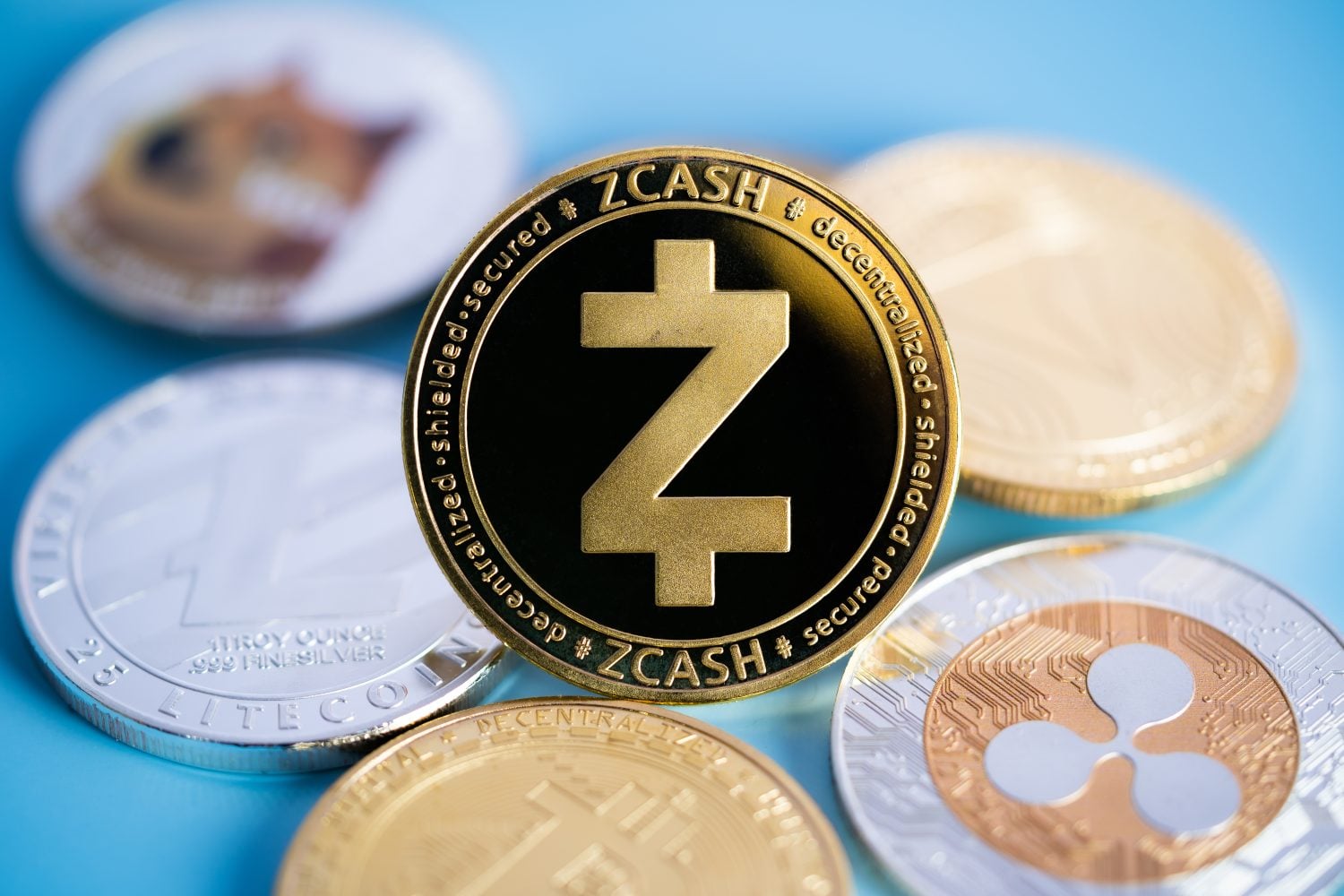
A key factor in Zcash’s performance is its access to investment through U.S. spot ETFs. As of September 25, these ETFs held nearly $996 million in net assets, according to SoSoValue, with Grayscale’s Zcash ETF accounting for about a third of all crypto ETF trading since its launch in August. A spot ETF holds the cryptocurrency directly and trades like a stock, offering investors a straightforward way to engage with Zcash.
In contrast, Monero lacks any ETFs and faced significant setbacks in 2024 when major exchanges like Binance, OKX, and Kraken’s European branch delisted it. As a result, buyers on those platforms can no longer purchase Monero. Monero’s default privacy features have made regulated exchanges hesitant to list it, while Zcash lets users choose between private and public transactions.
This means financial advisors, retirement accounts, and regular brokerage customers can easily access Zcash via a ticker symbol, whereas Monero buyers must seek out smaller exchanges that still support it. Nevertheless, the $996 million in Zcash ETFs also reflects the rise in its price over the past month, rather than purely new investment.
The Shielded Bitcoin Paper Backs Zcash’s Technology, Not ZEC’s Price
On September 25, researchers from the New York cryptography lab [alloc] init released a paper titled “Shielded Bitcoin,” which outlines a method for private Bitcoin (CRYPTO: BTC) payments using Zcash-style encryption and zero-knowledge proofs. These proofs validate transactions without revealing the sender, receiver, or amount, supporting Zcash’s approach to privacy.
However, while the paper highlights the technology behind Zcash, it doesn’t directly bring additional users or fees to Zcash’s network. If the proposed Bitcoin design becomes a reality, Bitcoin holders might be able to make private transactions without buying ZEC, possibly giving more credit to Zcash’s developers than to the token itself.
Furthermore, overall growth in the privacy coin sector has contributed significantly to gains in both coins. Over the past five months, the market value of privacy coins has risen by $24.5 billion. On September 16, Paradigm co-founder Matt Huang referred to Zcash as a private complement to Bitcoin, further supporting its case in the market. Thus, the influx of funds and the sector’s upward trend provide a stronger rationale for Zcash’s rise than the recent research paper.
Zcash vs Monero: Which Privacy Coin Is Better Positioned Now?
Overall, Zcash appears to be better positioned than Monero moving forward, thanks to nearly $1 billion in U.S. fund assets and its European listings. This gives Zcash access to buyers Monero cannot attract right now. While Monero still offers robust privacy features, fewer investors can easily buy it, and its price lags about 30% below its January high.
Monero’s outlook may improve if an issuer files for a Monero ETF or if a major regulated exchange relists it. For Zcash, watching the trading range is crucial: a close below the September 20 low near $1,428 could indicate that the privacy rally is losing momentum, while a close above the recent high of $1,677 might suggest potential for further gains — although those buyers near the peak are currently down about 9% at a price of $1,530.
Contact [email protected] for any questions or corrections.
Sam Daodu is a crypto analyst who's spent nearly a decade making blockchain understandable—no easy task when most whitepapers read like fever dreams. He writes for 24/7 Wall St., covering Bitcoin, altcoins, and crypto market analysis for investors. Before crypto, he was a tech writer (back when explaining "the cloud" was peak innovation). Since 2018, he's written for CoinTelegraph, Yahoo Finance, The Block, Cryptonews, Zypto, Rain, and more—basically anywhere people want crypto news without the headache. Sam runs MacLabs Marketing, a content agency for crypto brands tired of sounding like AI wrote their website. He also publishes free crypto education on his site for Web3 enthusiasts who think "gas fees" is a typo. When he's not writing or staring at charts, Sam's either: - Watching anime (currently convinced One Piece has better tokenomics than most altcoins) - At the gym sculpting himself into a Greek god - Listening to the music your mum warned you only bad boys listen to Connect: LinkedIn | Email | MacLabs Marketing