Mt. Gox Just Pushed Its Bitcoin Repayments Back a Year. Is That Good News for BTC?
Mt. Gox just pushed its creditor repayments back another full year, and Bitcoin barely flinched. Whether that calm signals strength or a storm brewing beneath the surface depends on what happens next with the trustee's wallets.

This post may contain links from our sponsors and affiliates, and Flywheel Publishing may receive compensation for actions taken through them.

Mt. Gox has announced a full-year delay in repaying creditors, pushing the deadline to October 31, 2027. Interestingly, Bitcoin (CRYPTO: BTC) has shown little reaction to this news, trading at approximately $81,511 as of October 20, 2026. This reflects a 0.7% dip in just 24 hours, a modest change considering Bitcoin surged by 12.3% on February 6 earlier this year, jumping from $62,788 to $70,528 in a single day.
The largest Bitcoin exchange, Mt. Gox, collapsed in 2014 after a hack. Since then, a court-appointed trustee has been working to return the remaining coins to creditors. Bitcoin is currently trading 35.4% below its October 6, 2025 peak of $ 126,080. This leads to an important question: does the repayment delay signal good news for a cryptocurrency so far from its record high?
Why Did Mt. Gox Delay Bitcoin Repayments Until 2027?
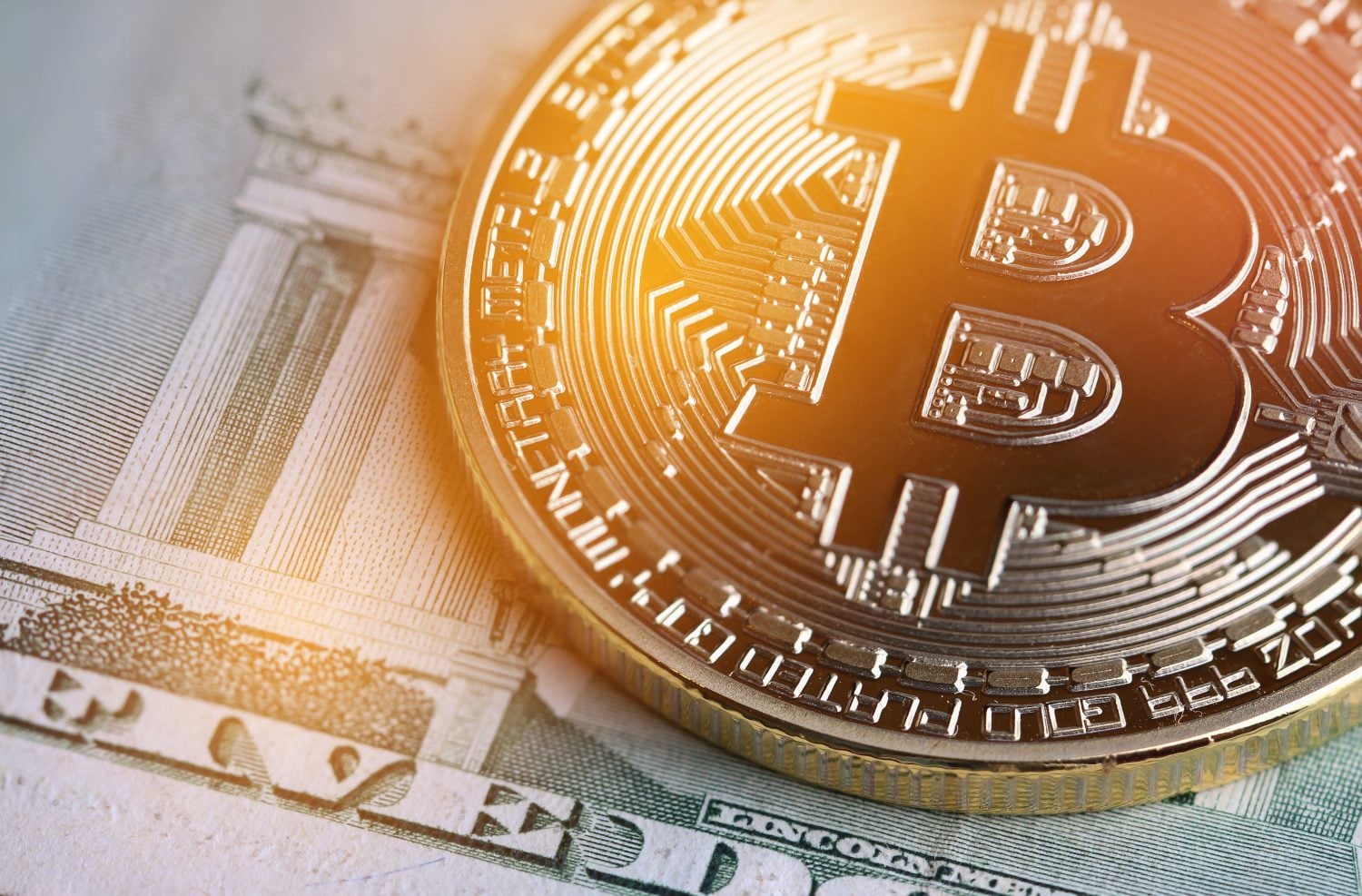
The rehabilitation trustee at Mt. Gox, who manages the bankrupt company’s repayment process, has moved the deadlines for the Base, Early Lump-Sum, and Intermediate repayments to October 31, 2027, Japan time. In a notice posted on the exchange’s website on October 16, trustee Nobuaki Kobayashi explained that many creditors have not yet been repaid because procedures and processing are incomplete.
This latest extension is part of an ongoing series of delays. The original repayment deadlines had already been pushed back from October 31, 2024, to October 31, 2025, and then to October 31, 2026. Although repayments began in July 2024 via platforms like Kraken and Bitstamp, the extension means that creditors will have to wait longer to access their coins.
Because creditors can’t sell their coins while they remain in the trustee’s wallets, this delay pushes the potential supply hitting the market further into the future. Traders call this a “supply overhang,” where a known quantity of coins could eventually be sold, making buyers more cautious.
However, Bitcoin’s recent dip seems more tied to broader market conditions rather than the Mt. Gox delay. For instance, the VIX, Wall Street’s “fear gauge” that measures anticipated stock market fluctuations over the next 30 days, rose 34.7% to around 20 on October 16. Bitcoin recovered, rising back above $82,000 on October 19 as oil prices fell.
Bitcoin Maintains Its Range While Other Cryptos Falter

Over the past week, Bitcoin has remained relatively stable. After dropping to $79,676 on October 15, it closed at $82,131. It hasn’t exceeded its October 12 high of $84,262 since then, suggesting that while buyers continue to buy on dips, sellers are also limiting price gains.
On October 20, Bitcoin traded within a tight range of $81,081 to $82,174. Trading was heaviest during the early dip, and volume thinned as the price settled, suggesting traders aren’t rushing to exit their positions.
In contrast, over the same 24-hour period, Ethereum (CRYPTO: ETH) fell 1.1%, and Solana (CRYPTO: SOL) slipped 0.1%. This suggests Bitcoin lost less than Ethereum but slightly more than Solana despite the Mt. Gox news, indicating traders may have already factored the delay into their plans.
On longer timeframes, Bitcoin appears healthier than its peers. Over the last month, Bitcoin gained 0.4%, while Ethereum fell 9.5% and Solana dropped 6%. Year to date, Bitcoin is down 6.8%, while Ethereum and Solana fell 19.3% and 16%, respectively. This trend shows that investors often turn to Bitcoin, the most widely held cryptocurrency, during periods of uncertainty.
Is the Mt. Gox Delay Good News for Bitcoin?
In the short term, the delay may actually be somewhat positive for Bitcoin. By keeping the trustee’s remaining coins out of creditors’ hands until October 31, 2027, the delay pushes back the potential supply overhang by another year. However, this comes at the cost of removing a potential seller without attracting new buyers. Bitcoin has gained 23.4% over the last 90 days, but its momentum has stalled at just 0.4% over the past month, suggesting it may need fresh buying interest and a calmer stock market to challenge its previous highs.
The trustee’s wallets also warrant close attention. July 2024 repayments put coins on exchanges, where selling takes a few clicks, so future distributions could influence market behavior before the October 2027 deadline. Should large amounts of Bitcoin flow from these wallets to exchanges, the optimistic outlook may fade. Additionally, if Bitcoin closes below the October 15 low of $79,676, about 2.3% below the current price, it could signal that fear in the stock market outweighs the potential relief from the supply delay.
Contact [email protected] for any questions or corrections.
Sam Daodu is a crypto analyst who's spent nearly a decade making blockchain understandable—no easy task when most whitepapers read like fever dreams. He writes for 24/7 Wall St., covering Bitcoin, altcoins, and crypto market analysis for investors. Before crypto, he was a tech writer (back when explaining "the cloud" was peak innovation). Since 2018, he's written for CoinTelegraph, Yahoo Finance, The Block, Cryptonews, Zypto, Rain, and more—basically anywhere people want crypto news without the headache. Sam runs MacLabs Marketing, a content agency for crypto brands tired of sounding like AI wrote their website. He also publishes free crypto education on his site for Web3 enthusiasts who think "gas fees" is a typo. When he's not writing or staring at charts, Sam's either: - Watching anime (currently convinced One Piece has better tokenomics than most altcoins) - At the gym sculpting himself into a Greek god - Listening to the music your mum warned you only bad boys listen to Connect: LinkedIn | Email | MacLabs Marketing