Brazil’s Largest Bank Registered to Trade XRP and 14 Other Cryptos. Which Other Big Banks Already Offer It?
Brazil's largest private bank just registered to trade XRP and 14 other cryptos under sweeping new central bank rules, but whether this milestone actually means anything for XRP holders is a very different question.

This post may contain links from our sponsors and affiliates, and Flywheel Publishing may receive compensation for actions taken through them.
Itaú Unibanco (NYSE: ITUB | ITUB Price Prediction), Brazil’s largest private bank, has made headlines by becoming the first bank in the country to officially register with the Brazilian central bank to trade and custody cryptocurrencies. The bank filed its notification on October 27, 2026, ahead of the October 30 deadline. The Itaú XRP registration covers 15 digital assets, among which XRP (CRYPTO: XRP), Bitcoin (CRYPTO: BTC), Ether (CRYPTO: ETH), and USDC.
Despite the news, XRP’s price remained relatively stable, trading at $1.31 as of October 28, down 0.7% over the past 24 hours and 4.9% over the week. Itaú’s shares, listed in the U.S., closed at $7.67 on October 27, down by $0.03 for the session.
The inclusion of XRP in a registration by Latin America’s top bank appears to be a positive step for the cryptocurrency. However, Itaú has offered crypto trading services since December 2023. Therefore, this new filing simply reclassifies an existing product under a new regulatory framework. So, what does this compliance registration actually provide for XRP holders?
Itaú’s Filing Follows New Central Bank Rules
Itaú’s recent filing aligns with Brazilian Central Bank Resolution 520, which took effect on February 2, 2026. This resolution required licensed financial institutions to notify the central bank of their cryptocurrency activities within 270 days, and each filing must include an independent technical certification. Any bank that fails to meet this requirement must stop its crypto services within 30 days, while crypto exchanges need to apply for full authorization.
Itaú’s registration combines trading with custody services, meaning the bank holds customers’ cryptocurrencies on their behalf. Under the new rules, this categorizes Itaú as a brokerage, allowing it to buy and sell cryptocurrencies according to customers’ instructions and store them.
The 15 digital assets available through Itaú’s íon investment app include Bitcoin, Ether, Solana, XRP, USDC, Arbitrum, Bitcoin Cash, Chainlink, Avalanche, Litecoin, Optimism, Aave, Uniswap, Polygon, and PAX Gold, as listed on the bank’s product page.
Crypto Has No Visible Impact on Itaú’s Results Yet
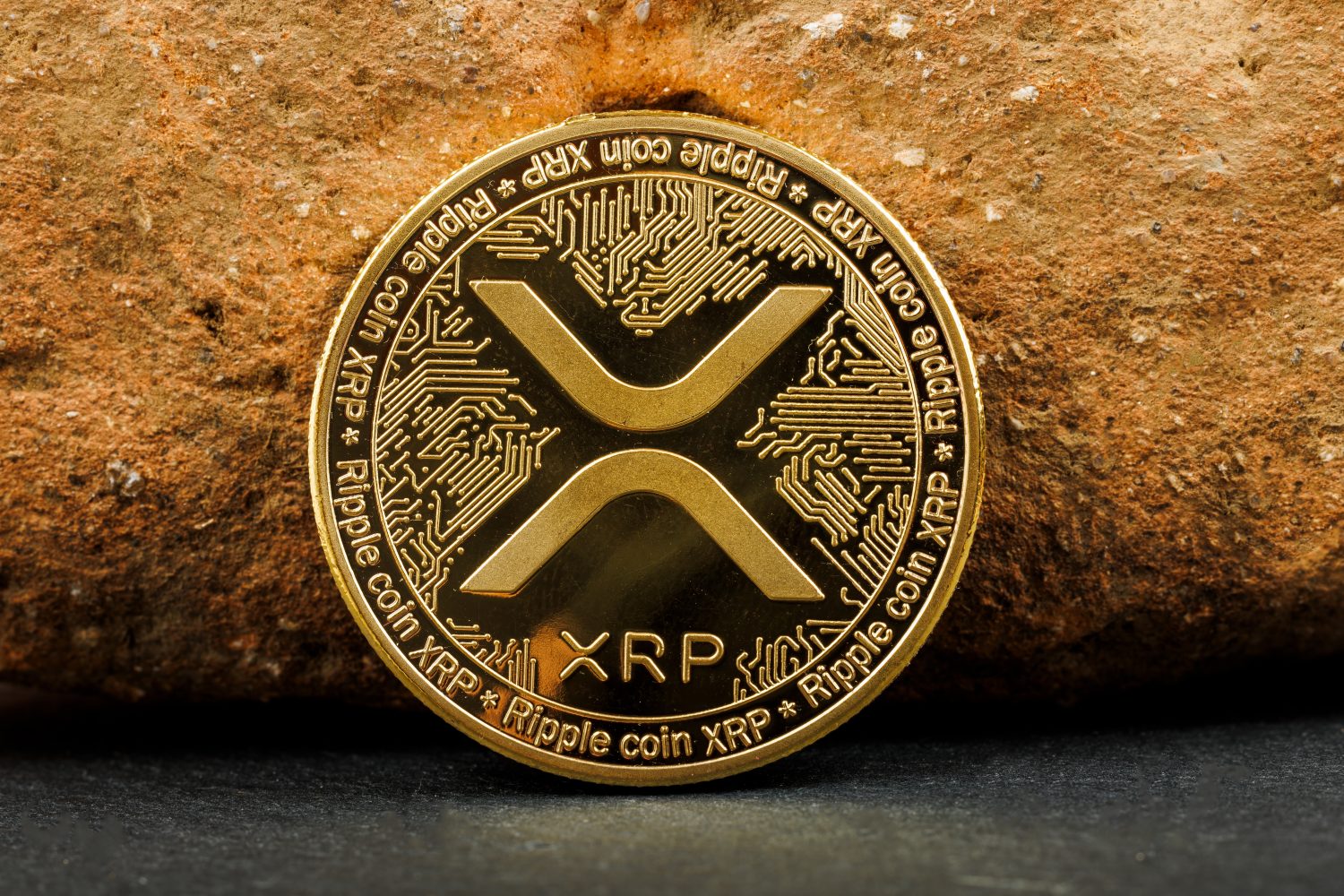
Although crypto is part of Itaú’s broader investment strategy, it has not yet contributed significantly to the bank’s reported financials. In its third-quarter 2025 report, Itaú Asset established a structure to manage crypto funds, a first for Brazilian banks. Moreover, Itaú completed its acquisition of a 50.1% stake in Avenue, a U.S. digital securities broker, in January 2026.
However, these ventures haven’t been reported as distinct revenue streams. Itaú’s financial results are divided into three segments, with only a 5.8% increase in commissions and banking fees reported, focusing on cards, investment banking, and insurance, and no mention of crypto-related income.
Other Brazilian Banks Are Also Active in Crypto
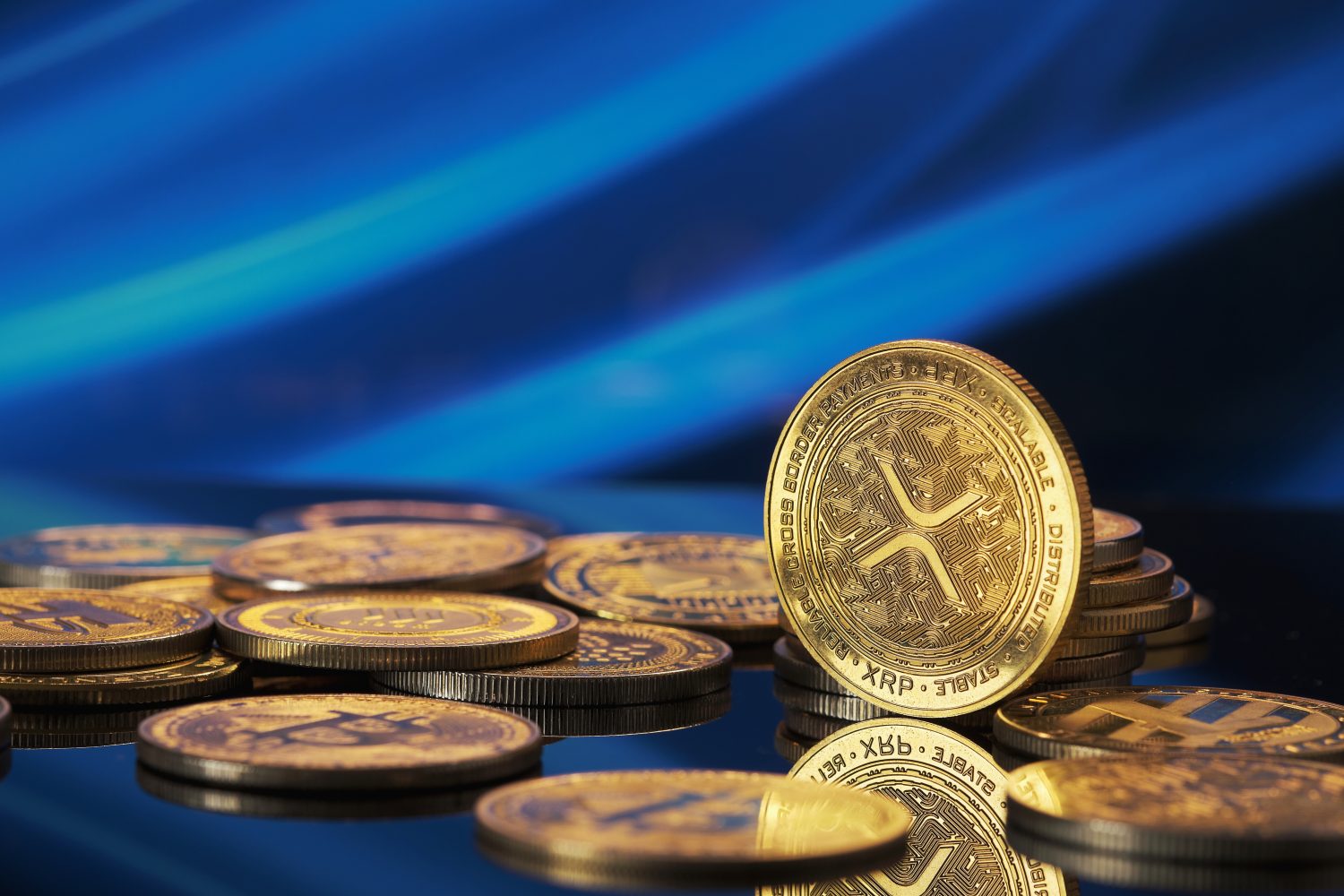
While Itaú was the first bank to register for crypto trading and custody, it isn’t the only one offering these services. Nubank (NYSE: NU), Brazil’s largest fintech, lists 28 different cryptocurrencies, but it’s unclear if XRP is among them.
Banco do Brasil, the state-owned bank, began letting customers buy Bitcoin and Ether directly in January 2026 and reported over R$11 million in transactions. Other banks, including Bradesco and Santander Brasil, have expanded their cryptocurrency offerings since 2025.
BTG Pactual, Brazil’s largest investment bank, launched a crypto trading platform, and in September 2025, Banco Safra went further by issuing a dollar-pegged stablecoin called Safra Dólar and keeping custody in-house. All these banks face the same October 30 deadline.
Does the Itaú XRP Registration Give Holders a Reason to Expect Higher Prices?
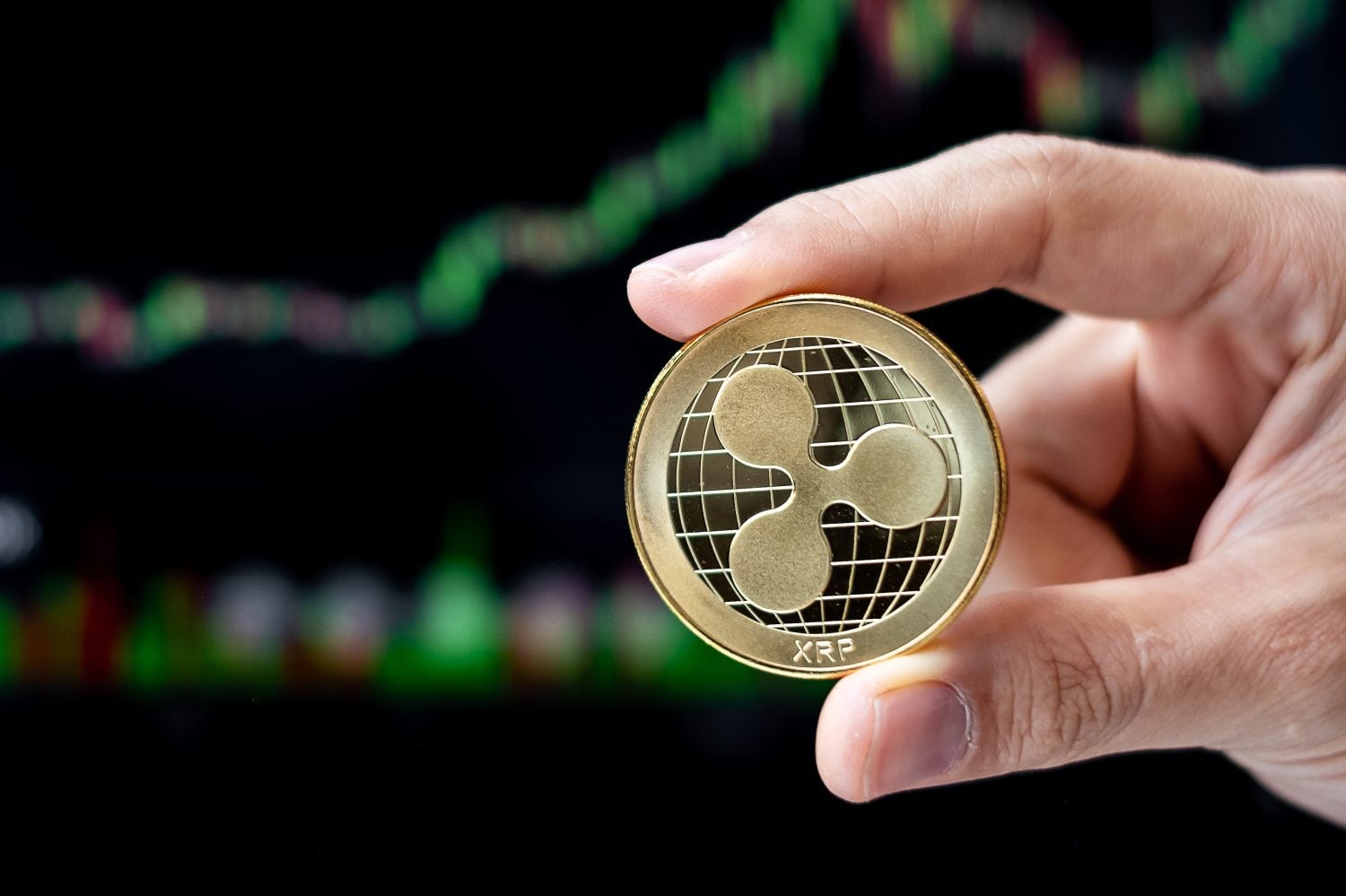
It’s worth noting that Itaú did not mention any specific settlement asset in its filing, meaning the bank did not say it would use XRP, or any other token, for cross-border transactions. XRP is simply one of the 15 cryptocurrencies available for purchase, alongside Litecoin and Uniswap. There has been no indication of the XRP Ledger being used, nor any partnership with Ripple for payment routing.
Furthermore, central bank filings as of March 2026 have shown that Brazilian banks hold no virtual assets on their balance sheets, indicating that any XRP purchased through Itaú’s platform belongs entirely to customers.
Itaú’s research has not favored XRP in its recommendations. The bank previously suggested a 1% to 3% allocation to Bitcoin, calling it a supplementary holding, while not highlighting XRP.
Currently, XRP has declined 28.3% year-to-date and is trading about 64% below its peak of $3.65, reached on July 17, 2025. Despite a 22% increase over the last 90 days, it remains below its 50-day moving average of $1.40 and above its 200-day average of $1.28, reflecting ongoing market challenges.
Contact [email protected] for any questions or corrections.
Sam Daodu is a crypto analyst and the editor of 24/7 Wall St.'s Crypto Desk, where he covers Bitcoin, XRP, Ethereum, Solana and the altcoins investors search for most. His work focuses on price levels, spot ETF flows, on-chain data and the regulatory decisions that move crypto markets, written so a first-time buyer and a seasoned trader can both use it.
Sam has written about crypto professionally since 2019 and has published more than 2,000 articles. Before joining 24/7 Wall St., he wrote for crypto media outlets and Web3 companies and ghostwrote for crypto founders and token launches. His analysis is syndicated on Yahoo Finance, MSN and AOL and has been cited by other crypto news sites. He also founded MacLabs Marketing, a content and personal branding agency for crypto founders and executives.
When he isn't reading charts, Sam is usually at the gym or watching One Piece, a series he maintains has better tokenomics than most altcoins.