Forget the AI Headlines. AHBM Holders Should Be Watching Memory Chip Prices
AHBM has surged in its first weeks of trading, but the force moving it has nothing to do with AI ETF hype. One monthly data release from an obscure industry research firm holds more power over this fund than any…

This post may contain links from our sponsors and affiliates, and Flywheel Publishing may receive compensation for actions taken through them.

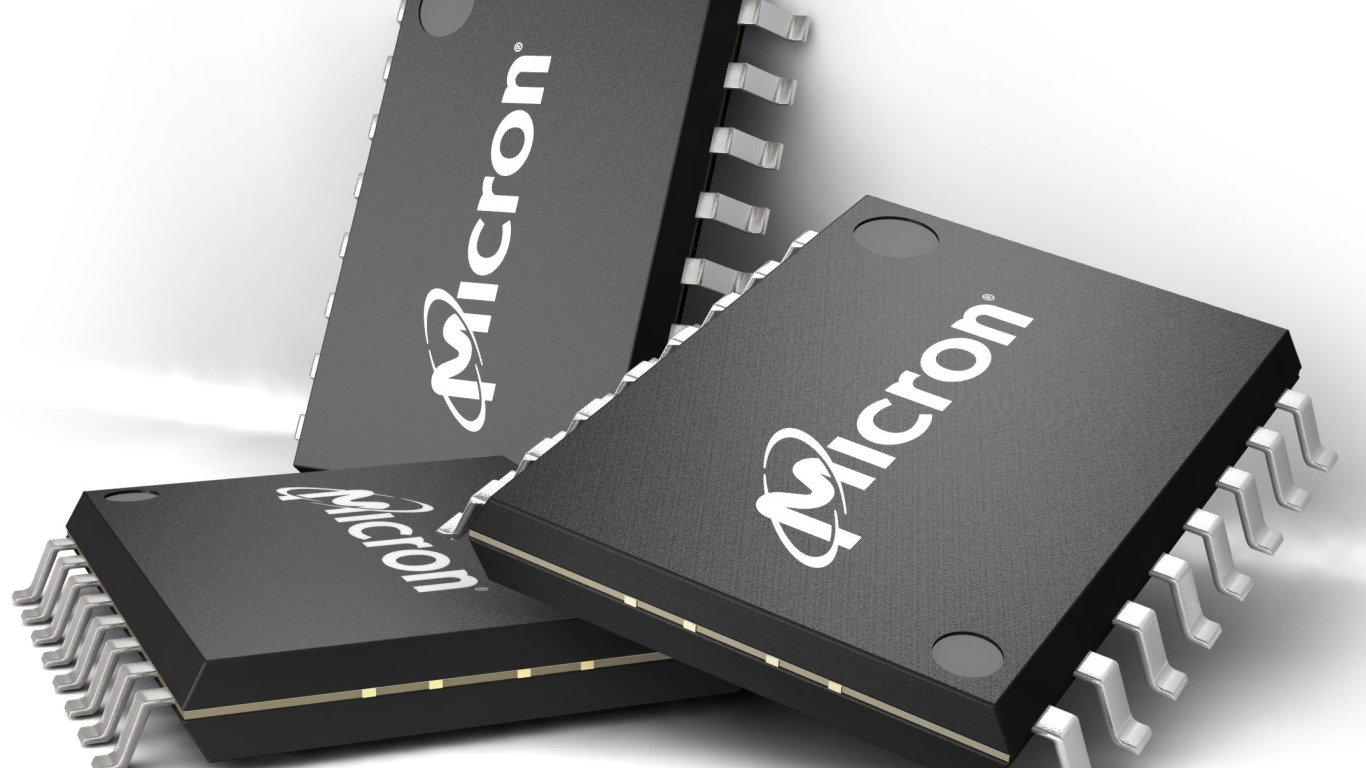
The Amplify Top 10 Asia Memory ETF (NYSEARCA:AHBM) has caught a strong tailwind in its early trading life, closing at $26.50 on September 9 after a 8.65% weekly gain. With only 15 trading days of price history, AHBM is being pulled higher by the same force lifting Micron Technology (NASDAQ:MU | MU Price Prediction), which is up 640.06% over the past year. Returns here are decided by the direction of memory chip contract pricing, not by AI ETF flows.
What AHBM Actually Owns
The Amplify Top 10 Asia Memory ETF is a concentrated basket of roughly ten Asia-listed memory semiconductor names. Investors can pull the current roster and weights directly from the fund prospectus filed with the SEC and the issuer page at amplifyetfs.com/AHBM. The category is dominated by DRAM, NAND, and high-bandwidth memory (HBM) manufacturers, businesses whose profits swing more violently with commodity chip pricing than almost any other link in the semiconductor supply chain. Fixed costs are heavy, capacity is slow to build, and a swing of a few dollars in average selling prices reshapes gross margins within a single quarter.
Memory Contract Pricing Is the Macro Signal That Matters
The single macro factor AHBM holders should monitor is monthly memory contract pricing for DRAM and NAND, plus HBM allocation commentary from the top three suppliers. TrendForce and DRAMeXchange publish spot and contract price benchmarks monthly. Watch for the sequential change in DDR5 and enterprise SSD contract prices, and for supplier commentary on HBM3E and HBM4 sold-out status. A pricing upturn flows into memory margins within one to two quarters, which is why Micron carries an operating margin of 80.4% and a forward P/E of just 6: the market is pricing this as a cyclical setup.
Check monthly. The last two down cycles (2019 and 2022 to 2023) each saw memory equities lose more than half their value once contract prices rolled over, even while broader semiconductor indexes held up. Also monitor capex guidance from SK Hynix, Samsung, and Kioxia quarterly, and hyperscaler inventory commentary on Microsoft, Meta, and Alphabet earnings calls. Rising customer inventories are the earliest warning that pricing power is about to shift.
Concentration Risk Is the Fund-Specific Variable
With a roughly ten-name portfolio, one holding can dictate AHBM’s quarter. If SK Hynix or Samsung captures a disproportionate HBM allocation from NVIDIA (NASDAQ:NVDA), that name will lift the fund; if a smaller Taiwanese or Japanese holding stumbles on a yield issue, the drag is amplified (we reverse-engineered what the biggest AI chip winners looked like early in a free playbook here: The Next Nvidia Playbook). Check the holdings file on the Amplify site monthly, particularly after each rebalance, and watch the weight of the top two names. A single-stock weight above 20% means AHBM is effectively a levered bet on that company’s HBM roadmap. Add export-control risk from Washington on advanced memory tools sold into China, an event-driven factor that can reprice the entire basket in a single session.
What to Watch Next
Two signals sit at the top of the watchlist. On the macro side, the next TrendForce monthly DRAM and NAND contract price release, together with hyperscaler capex commentary through the fourth quarter, will tell you whether the current up-cycle is extending or peaking. On the fund side, the next AHBM holdings disclosure will show whether concentration in the top two Korean memory makers is rising, which would tighten AHBM’s link to a single product cycle: HBM.
Contact [email protected] for any questions or corrections.
Jake has been been working in financial media for almost 15 years. He focuses on all things personal finance for 24/7 Wall St. with high hopes to educate and entertain. Most recently, Jake spent 12 years working various roles at The Motley Fool. He started copy editing fool.com content, worked on premium and marketing campaigns, and helped launch The Ascent, a personal finance brand.
His work has been featured on platforms like MSN, Yahoo Finance, USA Today, and more. He's written about credit cards, social security, ETFs, savings accounts, and just about anything else you can imagine when thinking about money. Jake love to cook, play golf, and tell people he's never had a cavity. (It's true!)