How Rich People Approach Big Purchases According to Dave Ramsey
Dave Ramsey is known for keeping his advice simple and clear, offering the kind of tough guidance many people need to get their finances on track. His perspective is not the final word on money, but it is rooted in…

This post may contain links from our sponsors and affiliates, and Flywheel Publishing may receive compensation for actions taken through them.

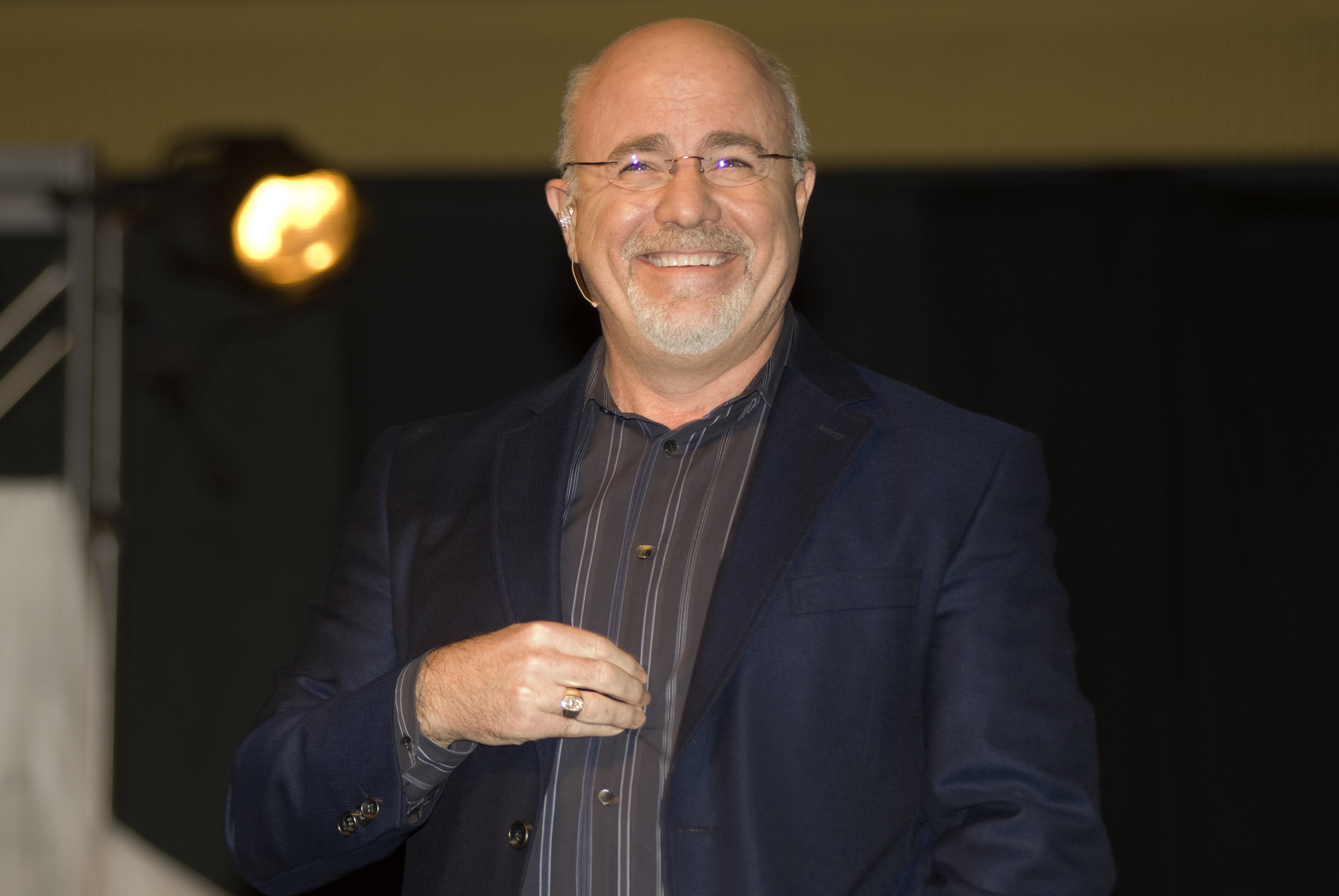
Dave Ramsey is known for keeping his advice simple and clear, offering the kind of tough guidance many people need to get their finances on track. His perspective is not the final word on money, but it is rooted in wanting to help listeners make better choices. A big part of his appeal is that he often puts himself in his audience’s position, which makes his advice feel personal and relatable.
In a recent YouTube Short, Ramsey pointed out a key difference in how the rich and the poor approach spending. Wealthier people tend to look at a purchase through a long-term lens, while those living paycheck to paycheck often focus on how it affects them in the moment.
Taking into account the true opportunity costs of every large purchase
Researching a big purchase and thinking through its long-term impact is one of the simplest habits that supports wealth building. The idea is not just for people with high incomes. Anyone can choose to slow down, compare options, and decide based on what will help them years from now rather than just today. Ramsey’s point stands: patience and long-term thinking pay off, especially with expensive items like cars or homes.
The challenge, of course, is breaking free from the mindset that encourages putting everything on credit. That habit keeps many people stuck financially. But even small adjustments, repeated over time, can create meaningful change. Those small steps stack up and can shift someone away from living on the edge each month.
Once people start considering how a purchase shapes their life over the next decade or more, they often begin living well below their means and favoring purchases that build future stability. Delayed gratification is not easy, but it can make a lasting difference in long-term wealth.
How Borrowing Costs Change the Math Today
In environments where interest rates remain elevated, the penalty for living paycheck to paycheck and financing big purchases is magnified. Swiping a credit card or taking out a high-interest personal loan for a depreciating asset doesn’t just borrow from your future—it significantly shrinks it. When wealthy individuals calculate opportunity cost today, they aren’t just looking at the sticker price; they are factoring in the lost compound growth that cash could have earned in a high-yield savings account or index fund.
A Shared Tenet of Financial Independence
This long-term approach isn’t just a Ramsey talking point; it’s a foundational pillar of the broader Financial Independence movement. Those actively pursuing early retirement routinely run the numbers on “cost-per-use” and evaluate how a $5,000 purchase today might delay their ultimate financial freedom by several months down the line. It shifts the question from “Can I make the monthly payment?” to “Is this purchase worth trading a piece of my future freedom?”
It’s more about being deliberate with purchases.
Deliberate spending does not require extreme frugality. It is not about avoiding purchases for an entire year or choosing the lowest priced furniture at the expense of quality. A long-term approach simply means weighing factors such as depreciation, durability, and eventual replacement costs.
With that in mind, a more expensive item can be the more cost-effective option over decades. A bargain sofa that needs replacing every few years may end up costing more than a well-built piece that lasts several decades. The higher priced choice still needs to fit comfortably within your budget, and it should not be financed with credit unless you plan to pay the balance in full by the end of the billing cycle.
For those looking to break the cycle of credit, the most practical tool is the “sinking fund.” Instead of buying a refrigerator or a car on a payment plan, savvy spenders anticipate the expense years in advance. By setting aside a dedicated, smaller amount of cash each month into a specific account, the money is there and waiting when the time to purchase arrives—effectively paying yourself the interest rather than handing it to a bank.
For anyone interested in improving their budgeting skills and reshaping spending habits, consulting a financial planner can provide valuable support.
The bottom line
Putting more thought into purchases while considering the long-term financial plan can be a profoundly profitable way to go about things.
By putting in the homework and weighing the opportunity costs of every big buy, one will have a better idea of whether a purchase is a smart financial move or one that could set them back by months. In short, I think Dave Ramsey is spot-on in that savvy spenders tend to play the long game, thinking years out rather than days out.
Editor’s Note: This article has been updated to include analysis on how elevated interest rates impact opportunity cost calculations. It also explores how long-term spending habits align with the broader Financial Independence movement and introduces the concept of a sinking fund as a practical tool for cash-based purchasing.
Contact [email protected] for any questions or corrections.
Joey is a 24/7 Wall St. contributor and seasoned investment writer whose work can also be found in publications such as The Motley Fool and TipRanks. Holding a B.A.Sc in Computer Engineering from the University of British Columbia (UBC), Joey has leveraged his technical background to provide insightful stock analyses to readers.
Joey's investment philosophy is heavily influenced by Warren Buffett's value investing principles. As a dedicated Buffett disciple, Joey is committed to unearthing value in the tech sector and beyond.