The $450,000 Debt Trap That Costs Dentists $1 Million in Forgone Income
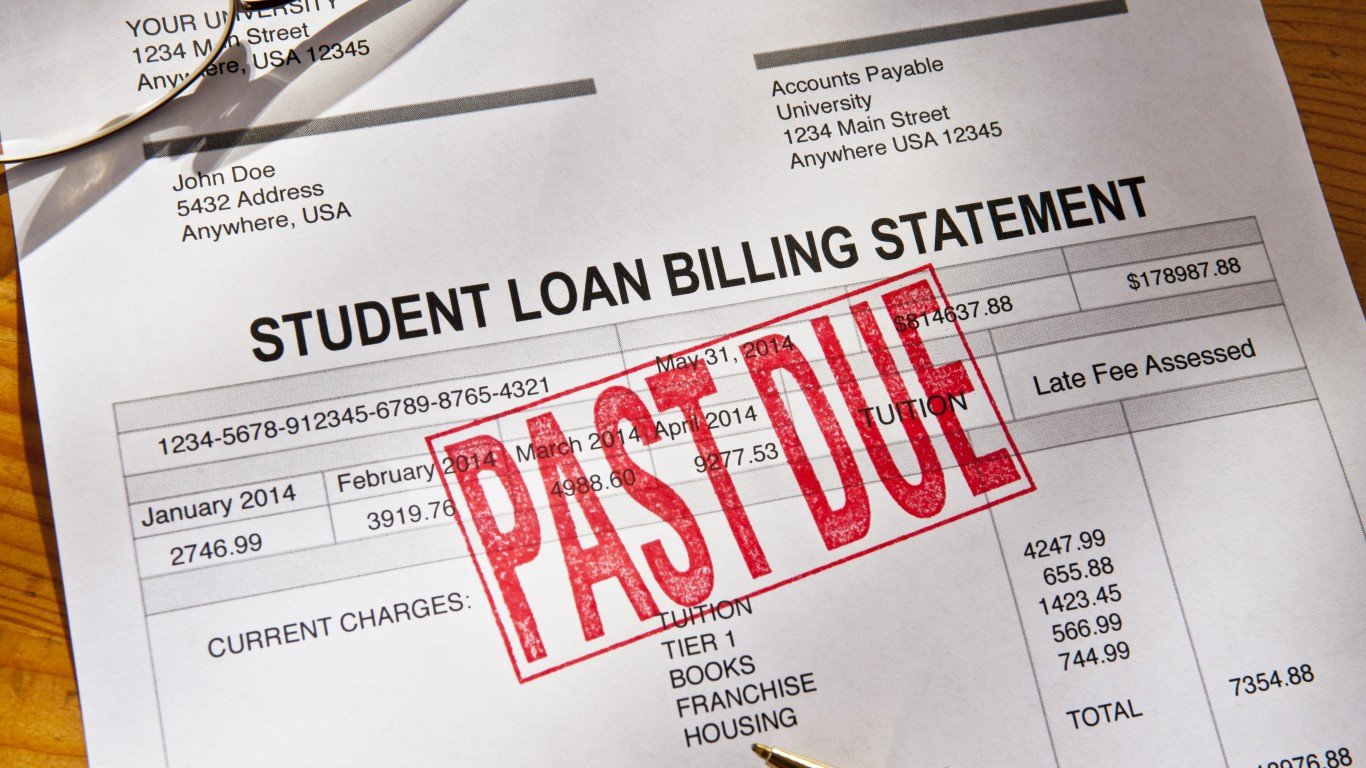
A dentist three years out of school carrying $450,000 in student loans is staring at a fork in the road. Pay down the debt aggressively before doing anything else, or take on more debt to buy the practice where they…

This post may contain links from our sponsors and affiliates, and Flywheel Publishing may receive compensation for actions taken through them.

A dentist three years out of school carrying $450,000 in student loans is staring at a fork in the road. Pay down the debt aggressively before doing anything else, or take on more debt to buy the practice where they currently work as an associate. Both moves feel responsible. Only one usually builds wealth faster.
This dilemma shows up constantly on Reddit’s r/Dentistry and on call-in shows like Ramsey’s, where high-earning professionals describe feeling paralyzed between two large, scary numbers. The Ramsey Show debt payoff episode highlights this exact pattern: a six-figure income that looks great on paper but evaporates against tuition debt and lifestyle creep.
The Situation in Plain Numbers
- Profile: Dentist, early-to-mid 30s, three to five years out of school.
- Debt load: $450,000 in student loans, likely at blended federal rates of 6% to 8%.
- Income today: Roughly $160,000 to $200,000 as an associate.
- Income as owner: Typically $300,000 to $500,000-plus, depending on practice size.
- The decision: Bulldoze the loans first, or borrow another $500,000 to $1 million to buy the practice now.
Why Income Is the Real Lever
The standard advice (kill the highest interest rate debt first) breaks down here because the asset on the table is the single biggest income multiplier a dentist will ever access.
Practice ownership routinely doubles take-home pay. An associate netting $180,000 who buys a stable practice and clears $400,000 doesn’t just pay loans down faster. They pay them down with after-tax dollars that didn’t exist before. Waiting five years to be “debt-free first” means five years of forgone owner-level earnings, which can easily exceed $1 million in cumulative compensation.
The interest rate environment reinforces this. The federal funds rate sits at 3.75%, down from 4.5% a year ago. SBA 7(a) and conventional practice acquisition loans currently price in the range of the 5-to-10-year Treasury yields in the mid-4% range, plus a spread. The yield curve is normal, with the 10Y-2Y spread modestly positive, signaling no immediate recession warning.
Translation: borrowing to buy a cash-flowing business is cheaper than the 6% to 8% sitting on the student loans, and the business itself throws off enough cash to service both debts.
Three Paths, Ranked Honestly
- Buy the practice, then attack the loans (best for most). Use SBA financing for the acquisition. Refinance the federal student loans privately only if the new rate beats 6% and you’re comfortable losing federal protections. Direct the ownership income bump toward the highest-rate student debt while keeping six months of practice operating expenses in reserve. This path uses good debt (a cash-flowing asset) to retire bad debt (a depreciating credential).
- Pay off student loans first, buy later (rarely optimal). Realistic at $180,000 income with aggressive frugality, you might clear $450,000 in seven to ten years. During that window, the practice you wanted likely sells to someone else, and acquisition multiples may climb with inflation. The Core PCE index has risen from 125.79 to 129.28 over the past year, eroding the fixed-rate debt while pushing asset prices higher.
- Do both in parallel without a plan (worst). Minimum payments on student loans, a practice purchase with no cash cushion, and lifestyle inflation. This is how high earners stay broke. The aggregate U.S. savings rate has slid from 6.2% in early 2024 to 4% in Q1 2026, evidence that income alone doesn’t build wealth.
What to Do This Quarter
First, get the practice’s last three years of tax returns and a quality of earnings review before falling in love with the deal. The numbers either work or they don’t.
Second, lock in a realistic personal budget at associate pay. If lifestyle already consumes the current paycheck, ownership cash flow will get consumed too.
Third, before refinancing federal student loans, confirm you’re not eligible for any remaining income-driven forgiveness pathway. Giving up federal protections for a slightly lower rate is the consolidation trap that traps high earners every cycle.
The common mistake here is treating $450,000 in student debt as an emergency when it is really a fixed cost. The practice opportunity, on the other hand, has an expiration date.
Contact [email protected] for any questions or corrections.
Austin Smith is a financial publisher with over two decades of experience as an investor, analyst, and advisor. He covers stocks, ETFs, Artificial intelligence and personal finance for 24/7 Wall St. Previously, he spent over a decade at The Motley Fool as a senior editor for Fool.com, portfolio advisor for Millionacres, and launched The Ascent to help reader take control of their personal finances.
His work has been featured on Fool.com, NPR, CNBC, USA Today, Yahoo Finance, MSN, AOL, Marketwatch, and many other publications. He is as an advisor to private companies, and co-hosts The AI Investor Podcast with Eric Bleeker.
When not looking for investment opportunities, he can be found skiing, running, or playing soccer with his children. Learn more about Austin's investment approach here.