Forget Software: The COPX ETF Is the Pick-and-Shovel AI Trade Hiding in Plain Sight
The AI trade everyone talks about is silicon. The AI trade almost nobody talks about is the copper that moves electrons from a substation to a GPU rack, and the Global X Copper Miners ETF (NYSE:COPX) is the cleanest liquid…


The AI trade everyone talks about is silicon. The AI trade almost nobody talks about is the copper that moves electrons from a substation to a GPU rack, and the Global X Copper Miners ETF (NYSE:COPX) is the cleanest liquid vehicle for owning it. COPX holds the companies digging the stuff out of the ground, and while software valuations stretch over another leg of the buildout, the fund has quietly returned roughly 69% over the past year against about 20% for the S&P 500.
What COPX actually owns and why it matters for AI
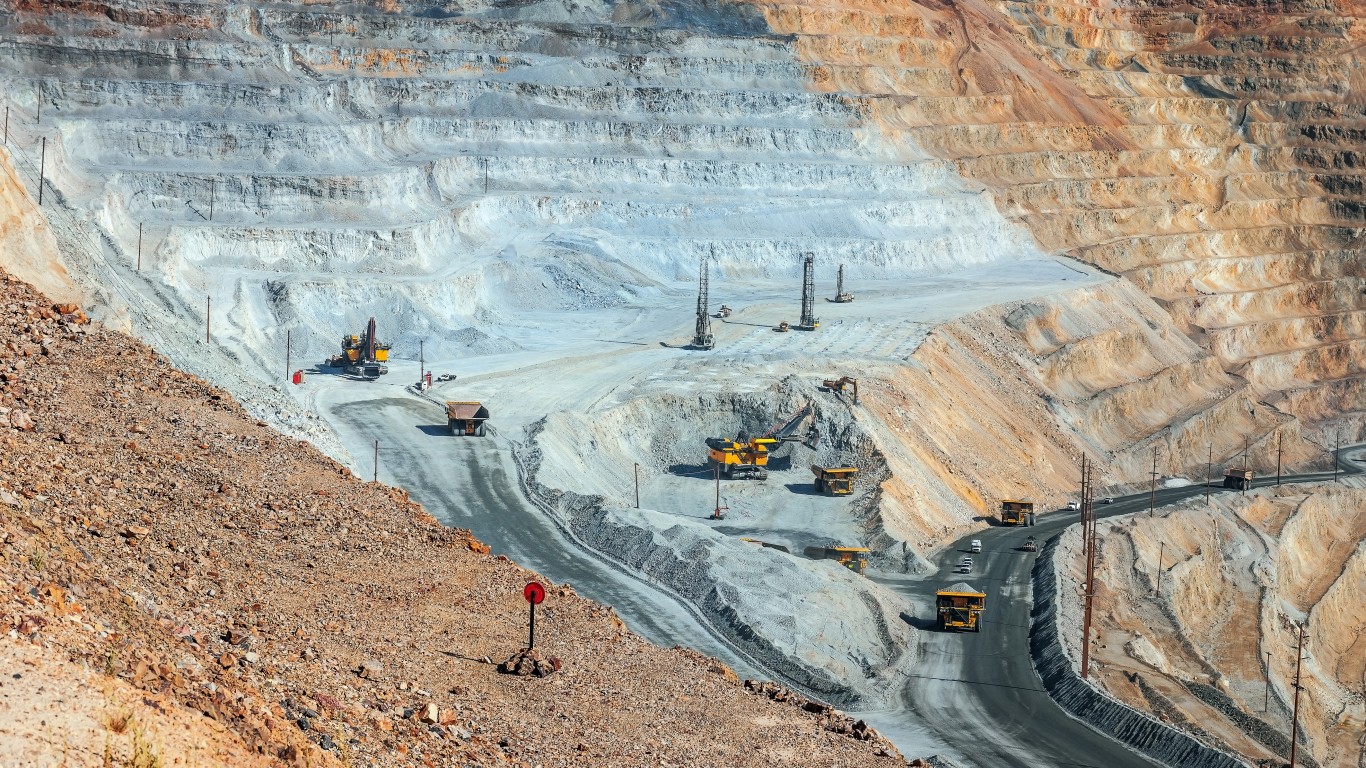
The fund tracks the Solactive Global Copper Miners index and concentrates in dozens of of large producers. Most of its holdings are foreign companies that directly or indirectly are in the business of mining copper, or at least have decent exposure to it.
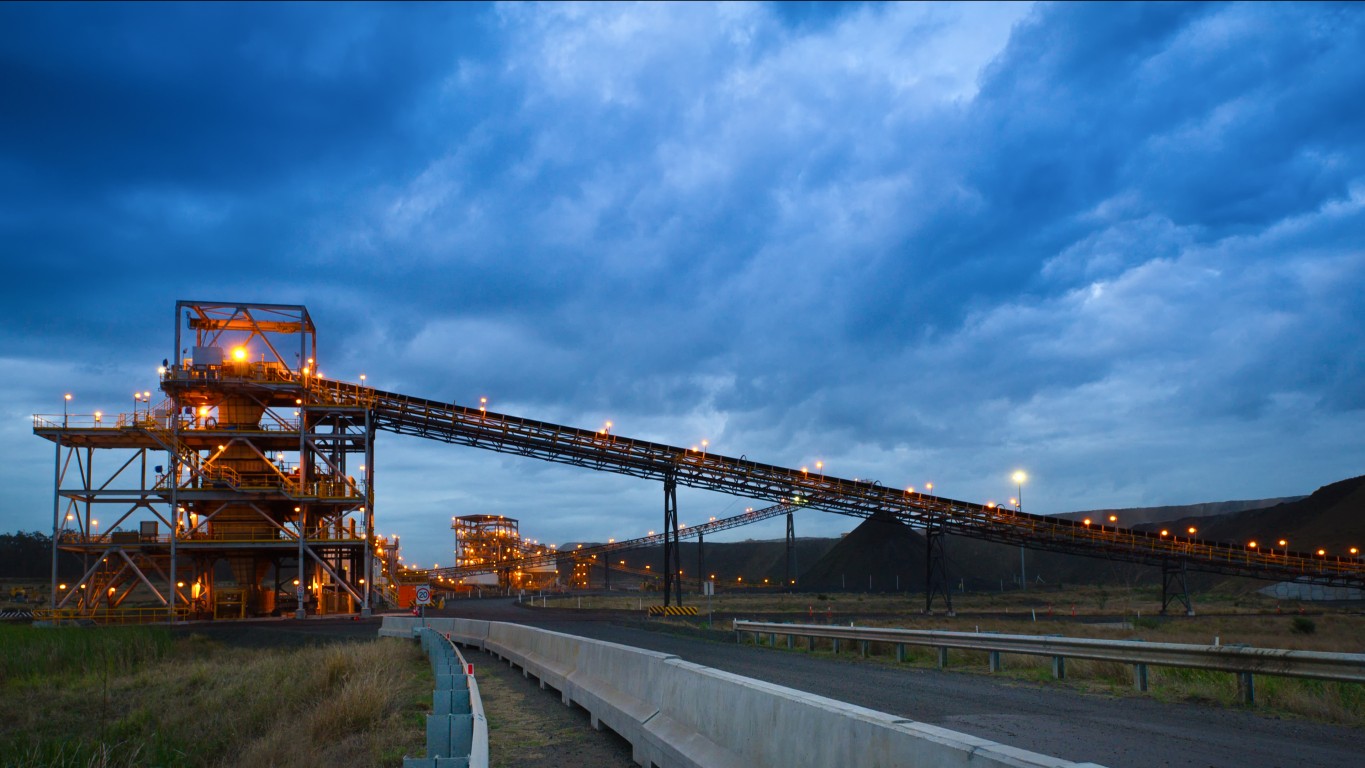
The AI link is physical. A single conventional data center requires thousands of tons of copper and megawatts of dedicated power capacity, and the National Electrical Contractors Association told Congress in April that data center energy use could account for 9.1% of all U.S. electricity consumption by the end of the decade.
Every substation, transformer, and foot of high-voltage cable feeding a GPU cluster is copper-intensive. Global copper consumption is expected to move from 26 million tonnes in 2022 toward 43 million tonnes by 2050, driven by AI data centers and electrification.
Does the fund deliver on the thesis?
Yes. COPX is up 136% over five years and about 513% over ten, well ahead of the S&P’s 85% and 323% over the same windows. Freeport-McMoRan (NYSE:FCX | FCX Price Prediction), the second-largest U.S. holding, is up roughly 34% over the past year. The biggest U.S. holding is Southern Copper (NYSE:SCCO), up 72% in the past year. The fund pulled in nearly $2 billion in fresh inflows this year, bringing assets to about $7.76 billion.
The 0.65% expense ratio is not cheap next to broad-market ETFs, but no S&P fund gives you this factor. Supply supports the case.
The Democratic Republic of Congo, the world’s second-largest producer, saw Q1 copper exports rise 4.8% and expects little major 2026 output damage from Middle East disruptions. Consolidation is heating up: a South32 asset sale would push copper to roughly 55% of its EBITDA, making it a more obvious takeover target, while BHP’s new CEO inherits the classic copper dilemma of building expensive new mines versus buying existing assets. Miners tend to overpay in that scenario, and COPX owns most of the plausible sellers.
The tradeoffs you actually sign up for
Cyclicality is the whole game. COPX is down almost 3% over the past month, a reminder that copper miners crack hard on any whiff of growth wobble. U.S. real GDP swung from 4.4% in mid-2025 to 0.5% in the third quarter to 2.1% into 2026, and copper equities amplify those moves.
- Growth sensitivity. If global industrial activity slows, copper miners fall faster than the underlying metal. This fund is a call option on synchronized growth plus the AI capex cycle.
- Concentration and jurisdiction risk. Half the portfolio sits in five names, and much production comes from Chile, Peru, and the DRC. Permits, royalties, and grid access are political decisions.
- The technology counterpoint. Jensen Huang argued in June that fiber optics and silicon photonics are becoming increasingly necessary due to the limitations of copper at higher bandwidths. Rack-to-rack interconnects may shift; substation-to-rack copper does not.
Who COPX fits and who should skip it
COPX fits the profile of a satellite position for investors who already own broad equity index funds and want targeted exposure to the electrification buildout without stock-picking miners. It pairs well against a large software or semiconductor position, capturing the physical bill that the AI story eventually has to pay.
The fund pays little income and swings hard, so it is a poor match for retirees drawing on their portfolio. A 20% drawdown on a bad month of Chinese PMI data is a routine outcome here, which rules it out for anyone who cannot tolerate that volatility. Everyone else gets a genuine picks-and-shovels trade at a fair price, provided they treat it as a cyclical position with a defined exit.
Contact [email protected] for any questions or corrections.
Omor Ibne Ehsan is a writer at 24/7 Wall St. He is a self-taught investor with a focus on growth, cyclical, and dividend equities that have strong fundamentals, value, and long-term potential. He also has an interest in high-risk, high-reward investments such as penny stocks.