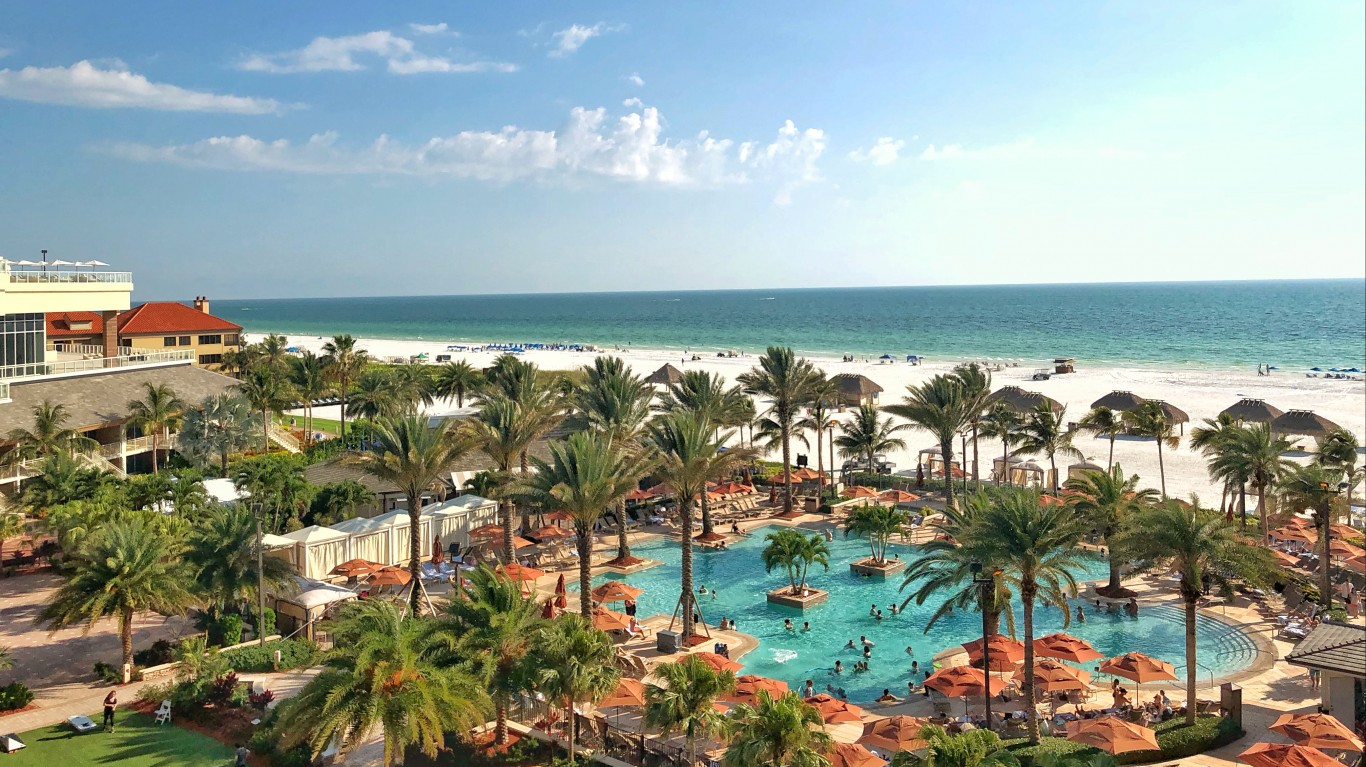
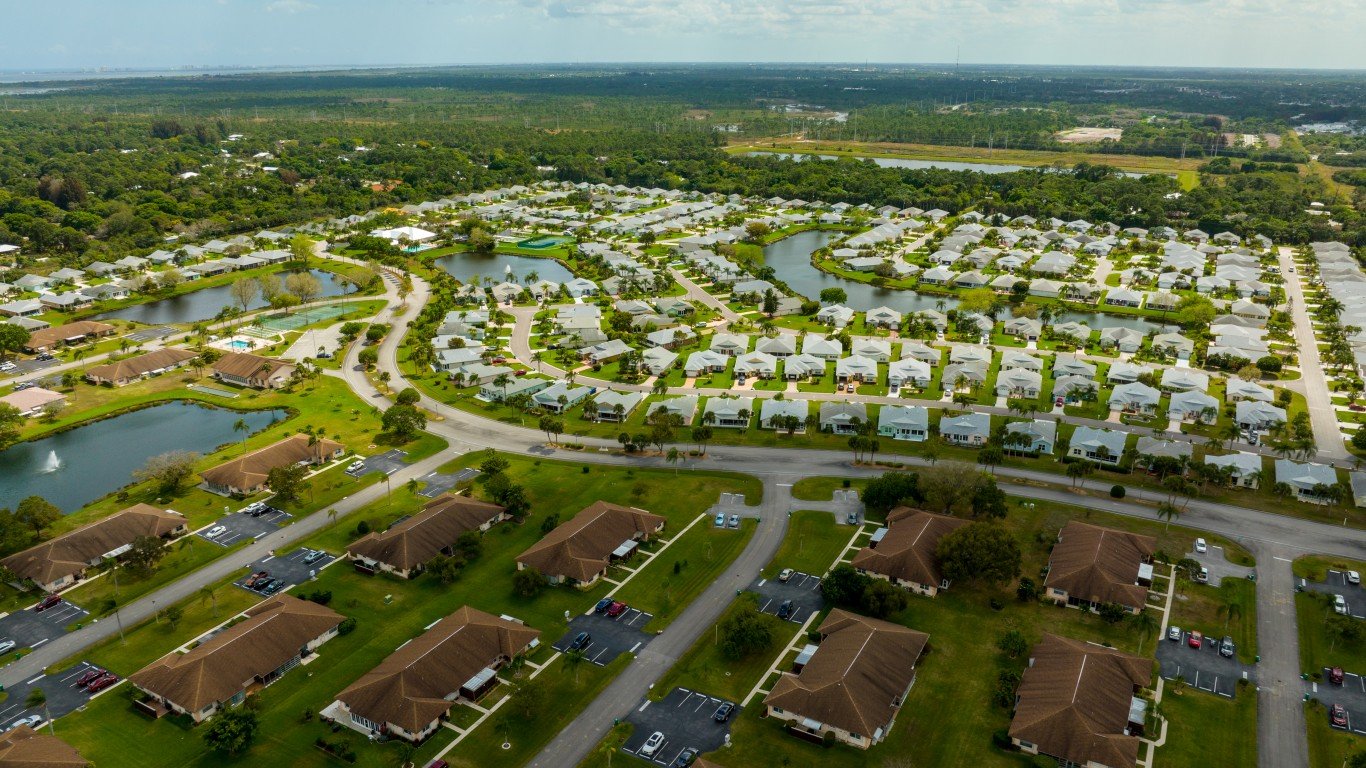
Ocala Is Quietly Becoming Florida’s Retirement Capital and Homes Are Still Under $300,000
Retirement forums keep pointing couples toward one inland Florida city where homes still come in under $300,000, but the numbers only work if you catch the one expense that most people underestimate by a factor of two.

This post may contain links from our sponsors and affiliates, and Flywheel Publishing may receive compensation for actions taken through them.

If you have spent time on retirement forums lately, you have probably seen the question: can a couple in their sixties land in Florida for under $300,000, keep the lifestyle they want, and not end up house-poor by seventy-five? Ocala keeps coming up in those threads for a reason. It is inland, it is horse country, it has an actual downtown, and it has not yet been priced like Sarasota or Naples. Here is what it actually takes to make the numbers work there, and the one line item most people underestimate by a factor of two.
What a Year in Ocala Really Costs
Start with the house, because that is the headline. A sub-$300,000 purchase in Marion County is realistic today, and it lands well below the national picture where the Case-Shiller index sits at 335.1 as of May 2026, still grinding higher month over month. Financing that purchase is the harder part. With the 10-year Treasury at 4.70% and hovering near its 12-month high, a 30-year mortgage in the high 6s is the working assumption. Most retirees moving to Ocala pay cash or put half down, which is the only reason the math holds.
Assume a paid-off or largely paid-off home. A realistic all-in annual budget for a couple, age 65, living comfortably but not lavishly:
- Property taxes and homeowners insurance: $6,500
- Utilities, internet, phones: $4,200
- Food at home and modest dining out, tracking the USDA Moderate plan: $11,000
- Healthcare (Medicare Parts B and D, Medigap, dental, out-of-pocket for two): $10,800
- Transportation, including replacement vehicle reserve: $6,500
- Home maintenance and capital reserve (roof, HVAC, appliances): $4,500
- Travel, hobbies, gifts, personal: $8,000
- Federal income tax on withdrawals: $4,500
That lands around $56,000 a year. For context, the national Consumer Expenditure Survey put average household spending at $78,535 in 2024, and Florida’s overall cost of living runs 103.4 on the national index, slightly above average. Ocala sits meaningfully under that state figure, which is the arbitrage.
Turning That Budget Into a Portfolio Number
A couple both claiming Social Security at 67 with moderate earning histories can plan on roughly $48,000 in combined household benefits, with the 2027 COLA currently tracking toward 3.1%. Subtract that from the $56,000 budget and the portfolio has to cover about $8,000 a year, plus a cushion for the fact that core PCE inflation has climbed steadily to 130.27, sitting in the 90th percentile of its recent range. Call the true gap $12,000 once you build in a real cushion.
At a 4% withdrawal rate, $12,000 a year requires $300,000 in invested assets on top of the paid-off home. Add a $50,000 emergency reserve and you can walk into Ocala at 65, debt-free, with roughly $350,000 in a mix of index funds, a short treasury ladder, and a dividend ETF sleeve, and the plan holds.
The number changes fast if the mortgage stays. Financing $200,000 at today’s rates adds roughly $16,000 a year in principal and interest, which pushes the required portfolio closer to $750,000. That is why paying cash, or close to it, is the standard Ocala playbook.
The Inland Insurance Advantage Nobody Prices In
The state ranks 4th nationally for tax competitiveness with no individual income tax, and that gets all the ink. The quieter win in Ocala is homeowners insurance. Coastal Florida policies routinely run $6,000 to $12,000 a year on a modest home, and some carriers will not write at all. Marion County, sixty miles inland with no storm-surge exposure and lower wind zone designation, still gets policies written in the $1,800 to $2,800 range. That gap, call it $5,000 a year, compounds. Over a 25-year retirement it is well over $150,000 in real dollars, more once you layer premium inflation on top.
Layer in Florida’s Save Our Homes cap, which limits annual homestead assessment increases to 3% regardless of market appreciation. A retiree buying today locks in a tax base that grows slowly even if the surrounding market runs. In a soft national housing market where existing home sales sit at 4.06 million annualized, well into buyer-favorable territory, buying now and letting the cap compound is the structural edge.
The Bottom Line
To retire in Ocala at 65 with a paid-off sub-$300,000 home, plan on roughly $350,000 in invested assets, a 4% withdrawal rate, and household Social Security around $48,000. If you finance the house, double the portfolio target. The line item that decides whether the plan quietly succeeds or slowly erodes is the inland insurance quote and the Save Our Homes cap working in your favor for the next twenty-five years. Get those two right, and the rest of the math is almost boring.
Contact [email protected] for any questions or corrections.
I am a long time investor and student of business, and believe finding good companies that can become great investments is the best game on earth. After 20 years of writing and researching the public markets it is clear that individuals have never had more tools and information to take control of their financial lives. From ETFs and $0 commissions to cryptos and prediction markets there has never been a greater democratization of access to investing.
I write to help people understand the investments available to them so they can make the best choice for their portfolio, whether they're starting out or looking for income in retirement.