The Villages Has a Cheaper Neighbor and Almost No One Is Talking About It
Florida retirement math keeps pointing to one county that almost nobody mentions in the same breath as The Villages, and the gap in annual carrying costs turns out to be surprisingly hard to ignore once you run the numbers over…

This post may contain links from our sponsors and affiliates, and Flywheel Publishing may receive compensation for actions taken through them.

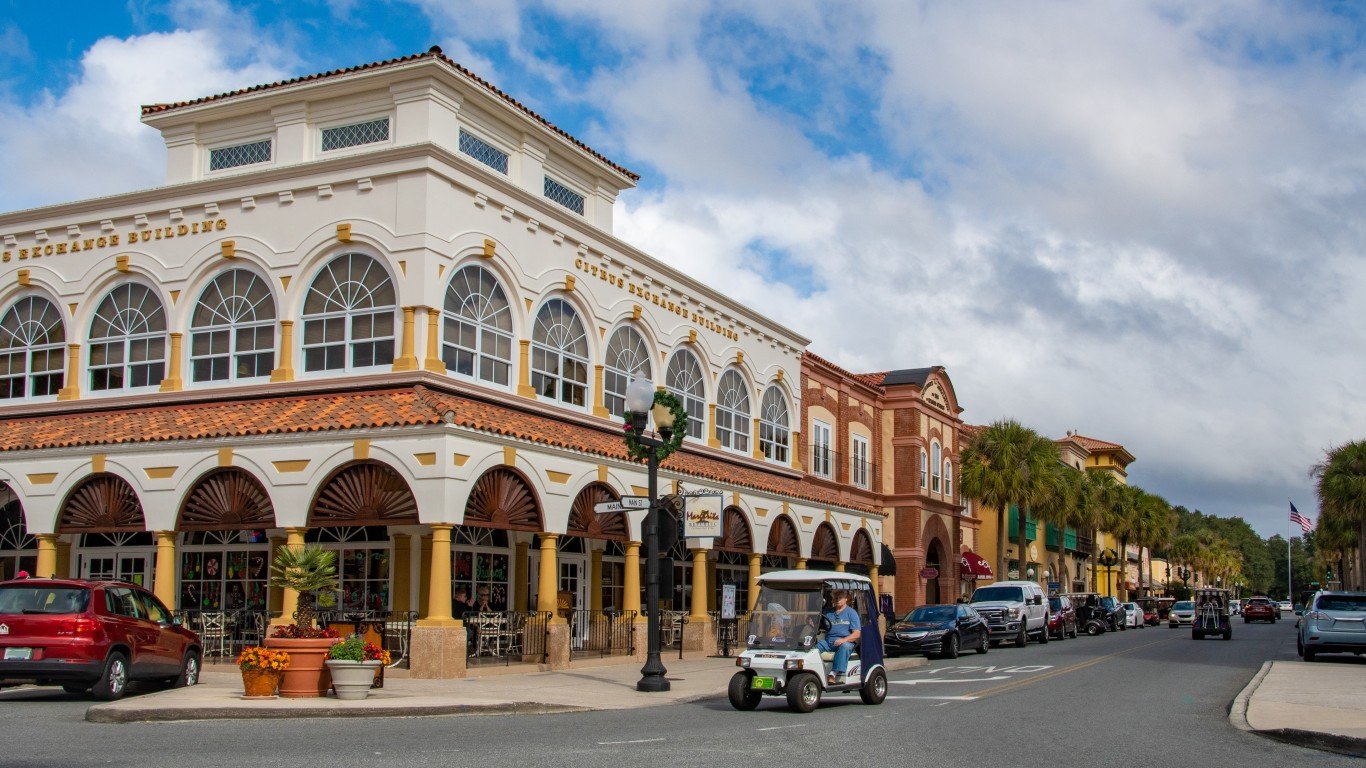
Every few months someone in a retirement forum asks: is The Villages worth it, or is there a version of the same life for less? The Villages has become shorthand for active Florida retirement, but its price tag has drifted well above what it was a decade ago, and the amenity structure adds a monthly line most calculators miss. Its next door neighbor, Marion County and the Ocala area just to the north, delivers something close to the same Florida retirement for meaningfully less money.
Why Ocala Keeps Showing Up in the Math
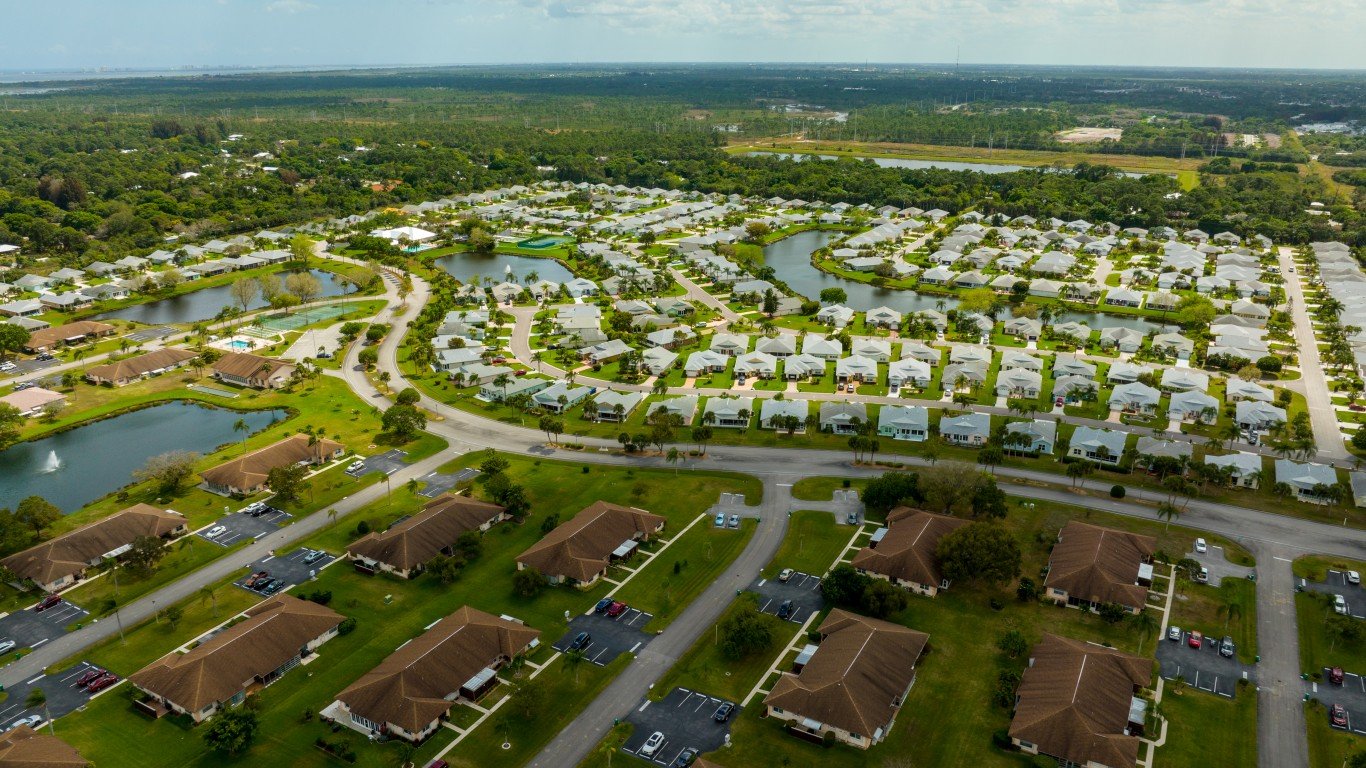
The Villages sits in Sumter County. Drive twenty minutes north on 301 or 441 and you are in Marion County, where On Top of the World, Stone Creek, Del Webb Stone Creek, and Oak Run offer 55 plus living with pools, pickleball, golf, and clubhouses. The homes cost less, property taxes are lower on a comparable house, and most importantly, you skip the Community Development District bond and the amenity fee structure that The Villages layers onto every rooftop. The Bureau of Economic Analysis pegs Florida’s regional price parity at 103.4, above the national average. Marion County comes in under the state figure, which is where the room shows up.
A realistic annual budget for a couple who owns their home outright in the Ocala area looks roughly like this in current dollars:
- Property taxes, homeowners insurance, HOA, and maintenance reserve on a paid off villa or small single family: about $9,500
- Medicare Part B for two, a Medigap or Advantage plan, Part D, dental and vision: about $8,800
- Groceries at the USDA moderate cost plan for two adults over 60: about $9,600
- Utilities, internet, cell, water and sewer: about $3,900
- Two vehicles, insurance, fuel, replacement reserve: about $6,500
- Travel, gifts, hobbies, personal, dining out: about $7,500
- Federal income tax on portfolio withdrawals and taxable Social Security: about $3,200
That lands near $49,000 a year, all in. Run the same household inside The Villages and you add roughly $2,400 in amenity fees, another $1,500 to $2,500 in CDD bond assessments depending on the district, and a higher starting home price that pushes property tax and insurance up too. The delta compounds every year you live there.
Turning That Budget Into a Portfolio Number
Social Security does most of the heavy lifting. After the 2.8% COLA that took effect in 2026, a two earner couple with average work histories both claiming at full retirement age brings in something close to $48,000 a year combined. If that couple’s Ocala budget is $49,000, the annual gap the portfolio must cover is small, maybe $1,000 in a normal year plus the tax withholdings already baked into the budget.
The trap is that lumpy expenses eventually arrive. Roofs, HVAC systems, a new car every ten years, a hurricane deductible, a knee replacement your supplement does not fully cover. A safer frame: cover the routine gap plus a reserve equal to roughly ten years of lumpy expenses. At a 4% withdrawal rate on the routine gap and a cash and short treasury ladder for reserves, that means something like $250,000 to $350,000 in invested assets for a couple who is otherwise mortgage free and claiming Social Security at or near full retirement age.
Delay one spouse’s claim to 70 and the picture loosens considerably. The higher earner’s delayed credits raise the household floor by roughly 24% for the rest of both lives, and the survivor benefit rides on that higher number. In practice, that is often worth more than another $100,000 in the brokerage account.
The Carrying Cost Almost Nobody Prices
Here is the piece that separates a Marion County retirement from a Villages retirement: Florida is the country’s most expensive homeowners insurance market, and the premium reprices every year. Over a thirty year retirement it becomes the single most volatile item in the budget. Statewide, premiums have risen faster than the headline CPI for most of the last five years, and insurers keep narrowing what wind and water coverage actually pay.
Marion County helps in a specific way that The Villages cannot claim as strongly: it is an inland county, well away from storm surge, with lower wind zone ratings than most of the peninsula. That translates into a materially lower premium for a comparable house and a lower rate of annual reprice. Over a thirty year horizon, the compounded difference on insurance alone can rival the entire amenity fee gap.
Florida’s tax posture is the other quiet lift. The state has no individual income tax and ranks fourth overall on the 2025 State Tax Competitiveness Index, which means Social Security, pension income, and IRA withdrawals all escape state tax entirely. The Ocala household keeps more of it because less of the withdrawal is being consumed by amenity carry.
What It Actually Takes
If you want the Florida version of active retirement without paying the Villages premium, the number to hold in your head is roughly this: a paid off home in a Marion County 55 plus community, a couple’s Social Security at or near full retirement age, and $300,000 to $400,000 in invested assets carried at a 4% withdrawal on the working gap with the rest laddered for reserves. Delay the higher earner’s claim to 70 if health allows, budget homeowners insurance to grow faster than general inflation, and treat the absence of CDD assessments as real money. The cheaper neighbor delivers the same lifestyle without the carry cost, and once you see the math on a thirty year horizon, it is hard to unsee.
Contact [email protected] for any questions or corrections.
I am a long time investor and student of business, and believe finding good companies that can become great investments is the best game on earth. After 20 years of writing and researching the public markets it is clear that individuals have never had more tools and information to take control of their financial lives. From ETFs and $0 commissions to cryptos and prediction markets there has never been a greater democratization of access to investing.
I write to help people understand the investments available to them so they can make the best choice for their portfolio, whether they're starting out or looking for income in retirement.