Puerto Rico or Florida: Where a $500,000 Retirement Actually Lasts Longer
Puerto Rico keeps showing up on retirement forums as the obvious tax haven, but the math behind that claim depends on which income sources you actually have and which rules you assume apply to them.

This post may contain links from our sponsors and affiliates, and Flywheel Publishing may receive compensation for actions taken through them.

Baseline Cost Picture in Both Places
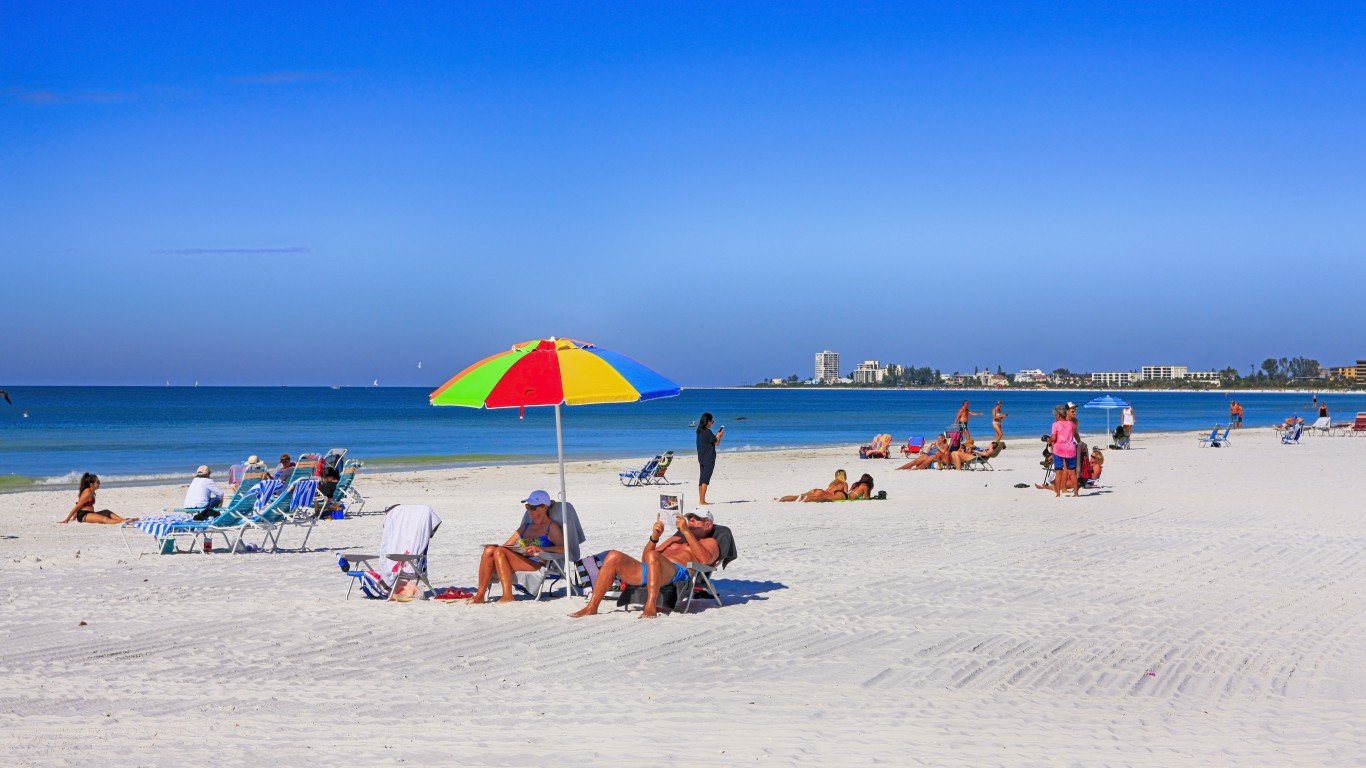
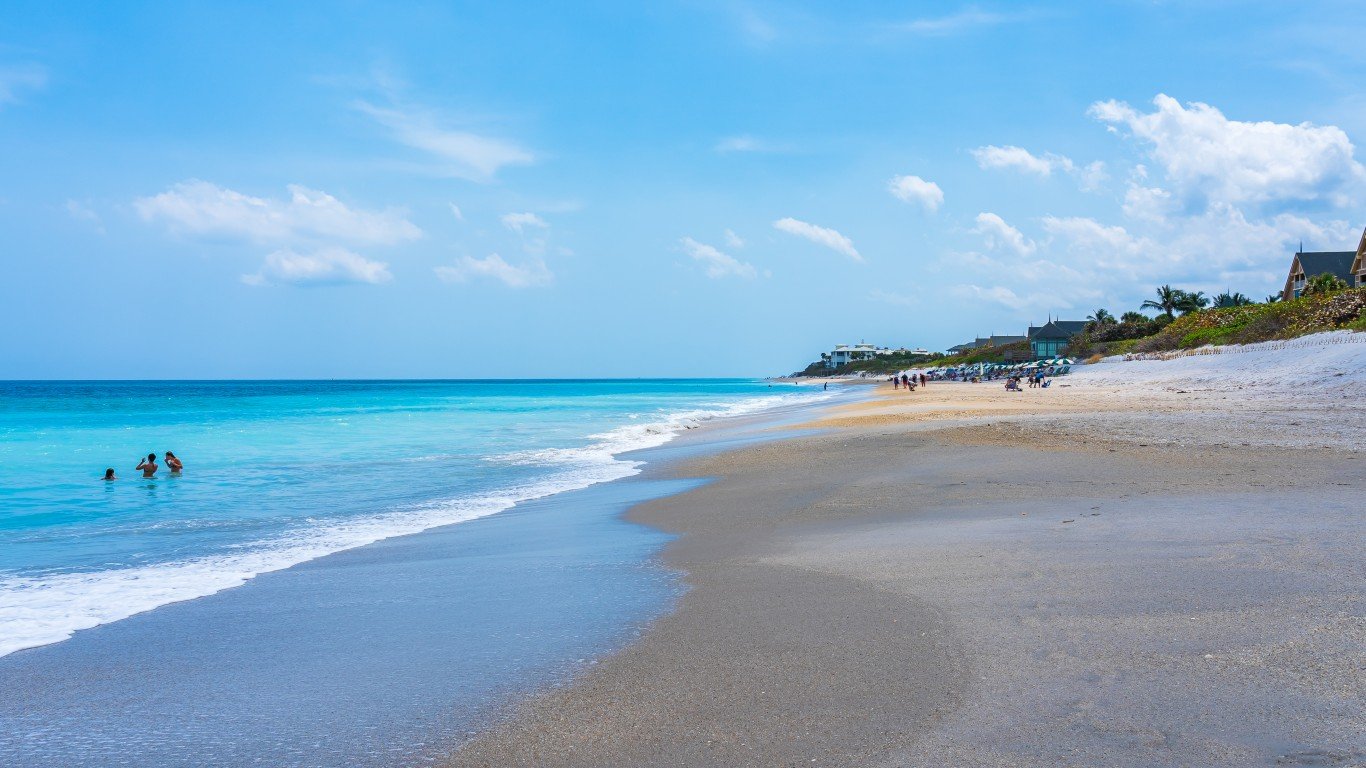
Start with Florida, because it is the easier side to source. The BEA’s regional price parity puts Florida’s cost of living at 103.414 against a national benchmark of 100, with a per capita disposable income of $64,461. That is not a cheap state anymore. National context matters too: consumer prices sit at a CPI reading of 332.8 as of July 2026, and the Case-Shiller national home price index reached 336.7 in June 2026, its highest observation in the recent series. Housing wealth is up, and so is the cost of buying into it.
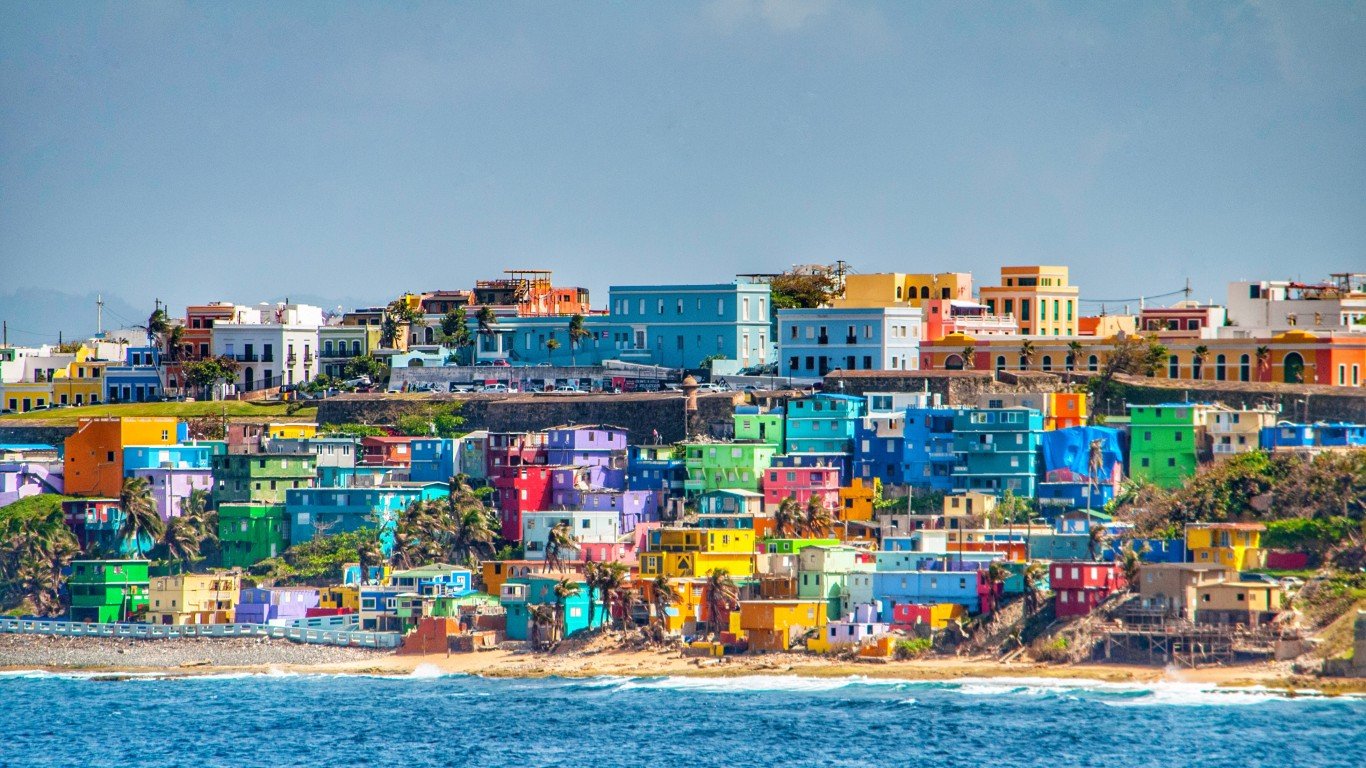
Puerto Rico is harder to pin down because the BEA regional price parity dataset does not include the territory. Puerto Rico does not appear among the 51 entries returned, so any island cost claim has to come from other sourced work rather than the same benchmark. What is documented: groceries lean higher than mainland averages because a large share is imported, residential electricity rates from the island utility have historically run well above the U.S. average, and housing on the San Juan metro coast now competes with mainland second-home buyers. Rural interior towns are a different market entirely, and that gap is where most of the “Puerto Rico is cheaper” anecdotes come from.
Tax Story People Get Wrong
Puerto Rico is a U.S. territory with its own tax system, and the way territorial and federal rules interact is complex enough that general knowledge will lead you in the wrong direction. You have to establish bona fide residency under IRS tests before Puerto Rico-sourced income can be excluded from federal tax. Widely promoted incentive programs, including Act 60, target new residents engaged in specific export services or investor activities and do not provide a blanket exemption for mainland-sourced retirement income.
A traditional IRA or 401(k) distribution built from mainland wages is typically still mainland-sourced for federal purposes, and Social Security remains a federal benefit. Anyone considering this move for tax reasons needs a CPA with Puerto Rico expertise before signing anything, not a forum thread.
Florida keeps it simpler. There is no state income tax on IRA withdrawals, pensions, or Social Security. For a retiree pulling from mainland accounts, that certainty is worth something the territorial pitch cannot easily match.
Healthcare, Insurance, and the Grid
Medicare works in Puerto Rico. Part B still costs $202.90 a month at the standard premium in 2026, and the Part A inpatient deductible is $1,736 per benefit period. The practical differences show up in network depth and Advantage plan structure. Physician outmigration from the island has been a documented and continuing pressure on specialist availability, and traditional Medigap options are structured differently than on the mainland. Florida offers denser networks and every major Advantage carrier, but that comes bundled with the state’s homeowners insurance problem: premiums have climbed sharply, condo assessments driven by structural inspection and reserve requirements have hit older buildings hard, and windstorm coverage in coastal zones is a line item that can rival property taxes.
Puerto Rico has its own version of that risk. Hurricane exposure is real in both places. The island grid is the second-order cost most comparisons miss: reliability issues mean a working retirement budget usually has to include a generator, fuel, and battery backup, plus the occasional replacement of appliances that did not survive a surge. That is a recurring line rather than a one-time purchase.
Verdict at $500,000
For a retiree with $500,000 and Social Security tracking a 2027 COLA running around 3.1%, Florida wins. The reasons are unglamorous. State tax treatment of retirement income is settled and favorable. Medicare networks are deeper. Mainland family visits do not require a flight. Household goods do not have to be shipped. And the tax mirage that makes Puerto Rico look cheaper on paper generally does not apply to the ordinary IRA and Social Security income a $500,000 retiree will actually live on.
At a 4% withdrawal rate, that is $20,000 a year of investment income layered on top of Social Security. With Florida’s cost index at 103.4, that combined income supports a modest coastal-adjacent or inland lifestyle if housing is owned outright and insurance is budgeted realistically. Renters or condo owners facing rising assessments should stress-test at a 3.5% withdrawal instead, which buys margin for the insurance line that has moved the most. The 4% figure itself has been challenged in recent years (we walked through why and what an income-first alternative looks like in a free guide here: The 4% Rule Is Broken).
Puerto Rico is the better answer for a narrower profile: a retiree with Spanish fluency, existing family or community ties on the island, healthcare needs that match available specialists, and either a paid-off home in a lower-cost municipality or a genuine Act 60 qualifying activity vetted by territorial tax counsel. For that person, the island math can work. For the median $500,000 mainland retiree weighing it as a lifestyle arbitrage, Florida lasts longer, and the thing worth remembering is that the tax story most people are chasing in Puerto Rico generally differs from the tax story that actually applies to their retirement accounts.
Contact [email protected] for any questions or corrections.
David Beren has been a Flywheel Publishing contributor since 2022. Writing for 24/7 Wall St. since 2023, David loves to write about topics of all shapes and sizes. As a technology expert, David focuses heavily on consumer electronics brands, automobiles, and general technology. He has previously written for LifeWire, formerly About.com. As a part-time freelance writer, David’s “day job” has been working on and leading social media for multiple Fortune 100 brands. David loves the flexibility of this field and its ability to reach customers exactly where they like to spend their time. Additionally, David previously published his own blog, TmoNews.com, which reached 3 million readers in its first year. In addition to freelance and social media work, David loves to spend time with his family and children and relive the glory days of video game consoles by playing any retro game console he can get his hands on.