Everyone’s Chasing Arizona. The Retirees Who Looked One State Over Found the Better Deal
Arizona's retirement pitch is real, but the arithmetic behind a thirty-year horizon points somewhere most people never think to look, and the reason has nothing to do with taxes.

This post may contain links from our sponsors and affiliates, and Flywheel Publishing may receive compensation for actions taken through them.

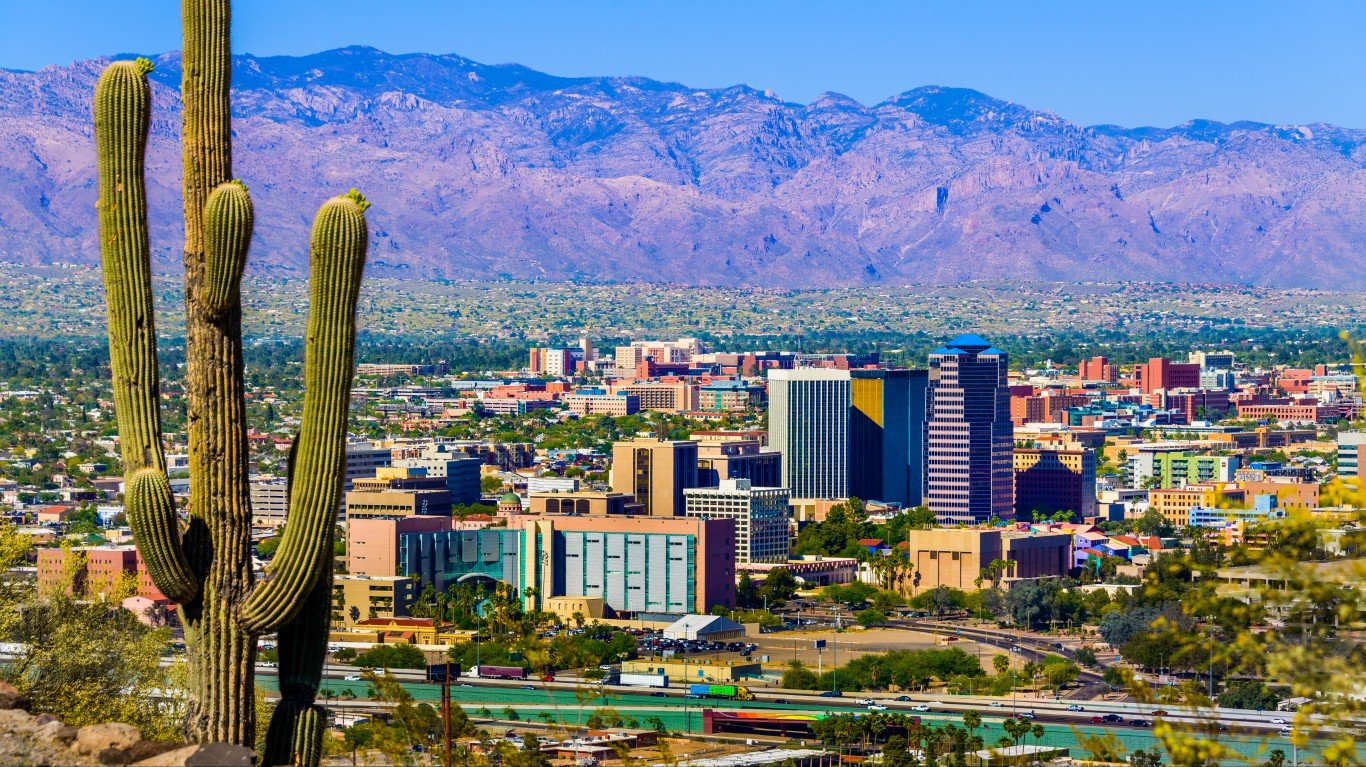
Every week, someone in their late fifties asks the same question: Is Arizona as good as it sounds? You definitely get sun, dry air, a flat tax, a Social Security exemption, and golf-cart neighborhoods built for this life. In other words, the pitch is real. But when you sit with the arithmetic and the thirty-year horizon a retirement occupies, the more interesting answer is one state to the east. New Mexico is the contrarian buy, and the case rests on something that never appears in a cost-of-living calculator.
Give Arizona Its Due Before Taking It Apart
Arizona earns its reputation because it doesn’t tax Social Security income at the state level. The state income tax is a flat 2.5% on other retirement income, one of the cleanest structures in the country for a retiree pulling from an IRA. The dry air demonstrably helps certain respiratory and joint conditions.
The sheer density of purpose-built retirement infrastructure around Phoenix and Tucson means you are not the first person to age in place there. If you are 68, healthy, and drawing modest withdrawals, Arizona works.
The problem is that the sticker is not the carrying cost. Arizona’s cost-of-living index sits at 100.677, essentially the national average, while New Mexico’s comes in at 92.212. On the Bureau of Labor Statistics’ most recent read, the average U.S. household spends $78,535 a year. Move that same budget to New Mexico, and you free up several thousand dollars a year. Compound that over a twenty-five-year retirement and the gap pays for a car, a knee, and a lot of grandchildren’s plane tickets.
Water Is the Argument, and It Is Structural
In 2023, Arizona announced it would stop issuing new certificates of Assured Water Supply for developments in parts of the Phoenix Active Management Area that rely solely on groundwater. That is a regulatory moratorium on new subdivisions in exurbs like Buckeye and Queen Creek, precisely the affordable-looking places retirees have been buying. Arizona holds the most junior priority rights on the Colorado River among the Lower Basin states, which means when shortage tiers deepen, the Central Arizona Project takes the cut first.
You are buying an asset you intend to sell in fifteen or twenty years, or leave to a child who will sell it. The buyer on the other side will know what you know now, and more. National home prices hit a record 336.7 on the Case-Shiller index in June 2026, so you are buying near the top in a market with a specific regulatory overhang on future supply and demand. That is a resale risk that never shows up in a cost-of-living index.
Phoenix now routinely posts long streaks of days above 110 degrees, and cooling a 2,000-square-foot home from May through September is not a rounding error on the utility bill. For a 78-year-old, extreme heat is a medical event waiting to happen. New Mexico’s higher elevation (Santa Fe sits above 7,000 feet, Albuquerque above 5,000) delivers the same dry climate benefits without the same thermal load.
What New Mexico Actually Looks Like
New Mexico’s 2022 reform exempted Social Security from state income tax for single filers below $100,000 and joint filers below $150,000, covering the overwhelming majority of retirees. Pensions and IRA withdrawals are taxed on the graduated schedule, so a couple pulling $90,000 from a traditional IRA will pay more state income tax than in Arizona. Property taxes are low and capped at 3% annual valuation growth on residential parcels. Counties offer a senior valuation freeze for homeowners 65 and older, subject to modest income limits. The state has no estate or inheritance tax.
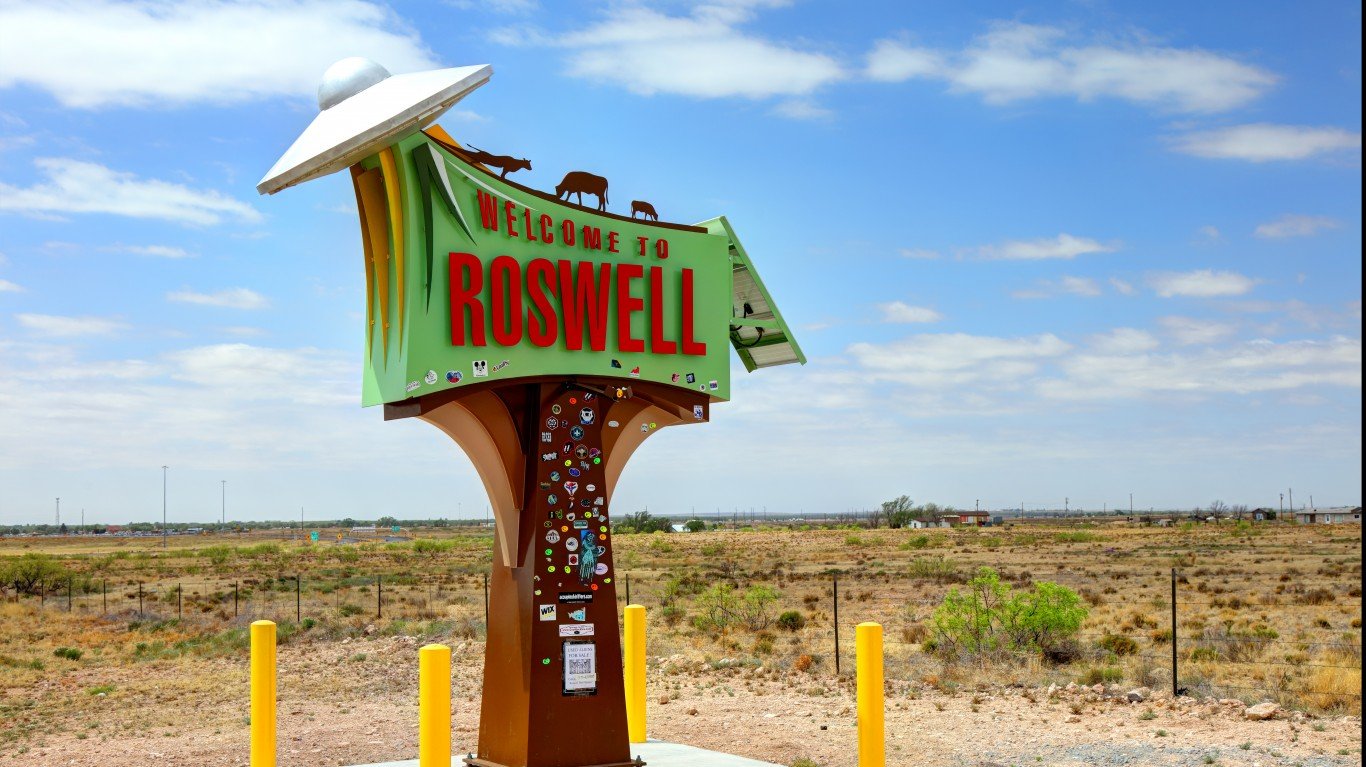
Housing is the quiet win, with median prices in Las Cruces, Silver City, and much of Albuquerque running well below comparable Arizona metros, and the water-rights picture isn’t under a construction moratorium tied to groundwater exhaustion.
Healthcare density outside Albuquerque and Santa Fe is thinner than metro Phoenix. Winters at elevation are actual winters. New Mexico’s per capita income of $58,345 versus Arizona’s $66,024 tells you the local labor market is softer, which matters if you want a part-time consulting gig to bridge to 70.
Running the Numbers, and Who Should Still Pick Arizona
First, run the math for a couple wanting a comfortable life. Target roughly $70,000 a year in New Mexico, versus something closer to $78,000 for the same lifestyle in metro Phoenix. Subtract two average Social Security checks, and the gap your portfolio needs to cover is meaningfully smaller in New Mexico.
At a 4% withdrawal rate on a thirty-year horizon, that difference translates into needing a portfolio in the low seven figures rather than pushing toward the mid seven figures for the same standard of living, plus a house whose resale value is not tied to a state water regulator’s next announcement.
Arizona still wins for one specific retiree: someone drawing large IRA distributions who values the 2.5% flat tax, needs Phoenix-tier specialist medicine, and plans to be carried out of the house rather than sell it. For everyone else, the state one over is the better deal. The reason comes down to water.
Contact [email protected] for any questions or corrections.
David Beren has been a Flywheel Publishing contributor since 2022. Writing for 24/7 Wall St. since 2023, David loves to write about topics of all shapes and sizes. As a technology expert, David focuses heavily on consumer electronics brands, automobiles, and general technology. He has previously written for LifeWire, formerly About.com. As a part-time freelance writer, David’s “day job” has been working on and leading social media for multiple Fortune 100 brands. David loves the flexibility of this field and its ability to reach customers exactly where they like to spend their time. Additionally, David previously published his own blog, TmoNews.com, which reached 3 million readers in its first year. In addition to freelance and social media work, David loves to spend time with his family and children and relive the glory days of video game consoles by playing any retro game console he can get his hands on.