The Account High Earners Are Filling Before Their 401(k) in 2026 Isn’t a Roth
SECURE 2.0 quietly erased a deduction millions of high earners built their retirement math around, and the replacement hiding in plain sight is not the account most financial advisors recommend filling next.

This post may contain links from our sponsors and affiliates, and Flywheel Publishing may receive compensation for actions taken through them.

Picture a 58-year-old manager with $1.1 million in her 401(k) who opened her first 2026 pay stub and found her take-home pay had shrunk. Her contribution rate was unchanged. Her catch-up dollars had simply moved to the Roth side of the plan, and the tax deduction she had counted on for a decade went with them. As one California CPA told The New York Times, “It is a major change for a lot of people.”
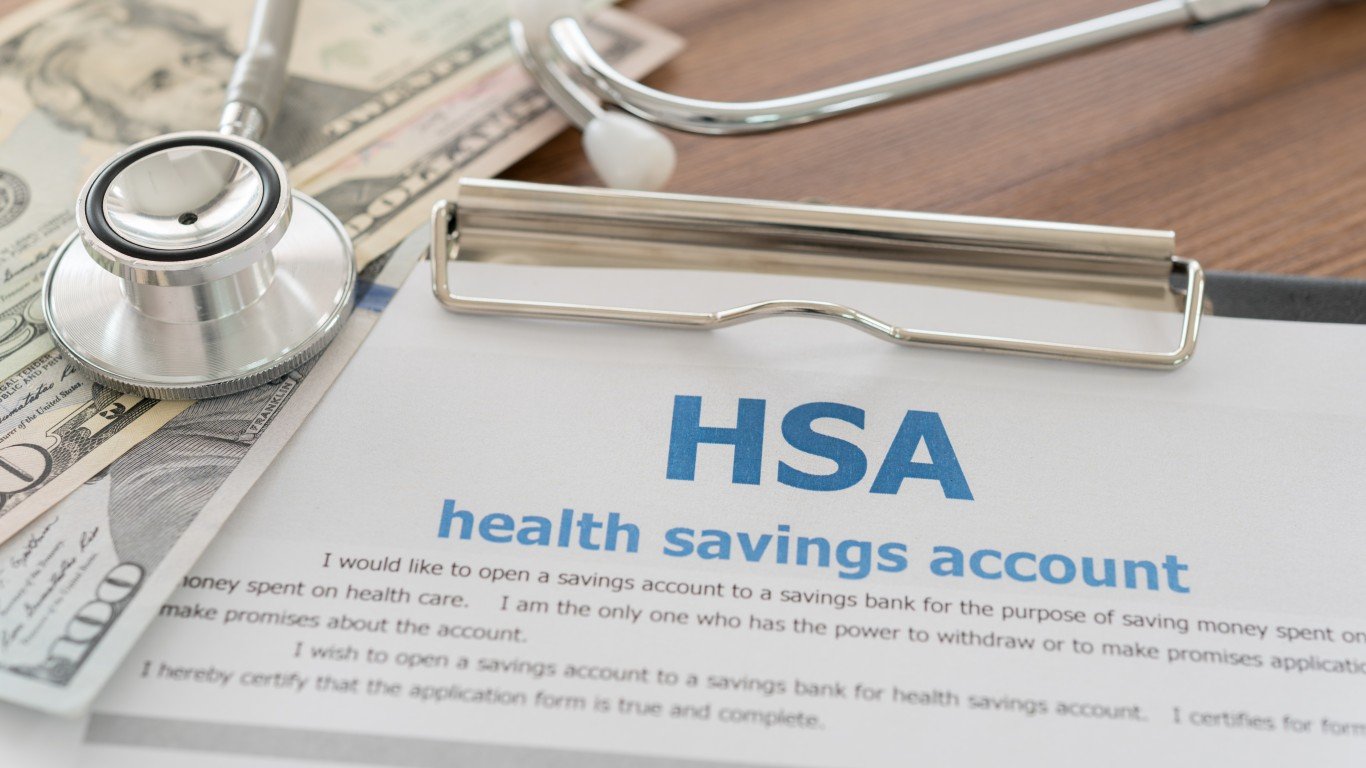
For high earners in their 50s and early 60s, the best pretax dollar left in 2026 now sits in a health savings account. Here is why the HSA belongs ahead of those catch-up contributions.
Your Catch-Up Deduction Vanished in January
Under SECURE 2.0, workers 50 and older who earned more than $150,000 in 2025 must now make catch-up contributions as Roth. The test uses Box 3 on your 2025 W-2, so side income on a 1099 or K-1 does not count toward it.
The catch-up itself is $8,000 this year, or $11,250 for workers aged 60 to 63. The lost deduction is real money. A 55-year-old in the 24% bracket who used to defer the full catch-up pretax gave up roughly $1,900 in federal tax savings. A 62-year-old making the super catch-up lost about $2,700.
Where the Deduction Went: Your HSA
If you are on an HSA-eligible high-deductible health plan, you can contribute $4,400 for self-only coverage or $8,750 for family coverage in 2026, plus a $1,000 catch-up once you turn 55. Those dollars are deductible going in, grow untaxed, and come out tax-free for qualified medical costs.
Run the comparison at the same bracket. A family HSA limit of $8,750 is larger than the $8,000 catch-up that used to save our 55-year-old about $1,900, so a fully funded HSA more than makes up for the deduction the new rule took away. For the 62-year-old, the family limit plus the $1,000 catch-up covers most of the $11,250 super catch-up.
Payroll HSA contributions also skip FICA taxes. A 401(k) deferral, pretax or Roth, is still hit with Social Security and Medicare payroll tax. That makes each HSA dollar run through your paycheck slightly more valuable than a traditional 401(k) dollar ever was.
Why HSA Money Sidesteps the Retirement Tax Cascade
Every traditional 401(k) withdrawal in retirement counts as ordinary income. Stack enough of it and up to 85% of your Social Security becomes taxable. Push further and Medicare’s IRMAA surcharges kick in, adding roughly $70 to $400+ per month per person based on your income from two years earlier. A retiree in the 22% bracket who trips both can face an effective marginal rate near 40%.
Qualified HSA withdrawals never show up in that income calculation. You can use them for Medicare Part B, Part D, and Medicare Advantage premiums, plus dental, vision, and long-term care costs, without affecting your Social Security taxation or your IRMAA tier. For a couple with a seven-figure 401(k), that shelter is the whole point (we mapped out this rule alongside eight other IRS traps that quietly drain retirement accounts in a free guide here: The Retiree’s Tax Trap Map).
The forced Roth catch-up carries its own perks. Roth 401(k) balances have had no required withdrawals since 2024, and those withdrawals are also cascade-proof. The HSA simply wins on both ends: a deduction today and tax-free money later.
Three Moves to Make Before Year-End
- Pull your 2025 W-2 and check Box 3. If it tops $150,000 and you have HSA-eligible coverage, raise your HSA payroll deduction to the maximum for your coverage tier before sending new money to catch-up contributions. Keep getting your full employer match first, since that remains free money.
- Invest the HSA and leave it alone. Pay today’s medical bills from cash and save the receipts, because you can reimburse yourself tax-free years later for expenses incurred after the account opened. With the 10-year Treasury yield near 5.2%, a default HSA cash sweep paying far less is costing you growth.
- Plan your Medicare exit. Contributions must stop once you enroll in any part of Medicare, and Part A coverage backdates up to six months when you sign up after 65. If you are still working past 65, stop HSA contributions six months before you enroll to avoid an excess-contribution penalty.
The catch-up rule changed which account gives high earners a deduction. Filling the HSA first keeps that deduction alive and builds a pool of retirement money the tax cascade cannot touch.
Contact [email protected] for any questions or corrections.
Jake has been been working in financial media for almost 15 years. He focuses on all things personal finance for 24/7 Wall St. with high hopes to educate and entertain. Most recently, Jake spent 12 years working various roles at The Motley Fool. He started copy editing fool.com content, worked on premium and marketing campaigns, and helped launch The Ascent, a personal finance brand.
His work has been featured on platforms like MSN, Yahoo Finance, USA Today, and more. He's written about credit cards, social security, ETFs, savings accounts, and just about anything else you can imagine when thinking about money. Jake love to cook, play golf, and tell people he's never had a cavity. (It's true!)