Retirees Who End Up Alone in The Villages Will Find the House Was the Easy Part
Buying a home in The Villages is the straightforward part of solo retirement. What trips people up is everything that happens after the closing: who drives, who calls 911, and who holds legal authority when the body or the mind…

This post may contain links from our sponsors and affiliates, and Flywheel Publishing may receive compensation for actions taken through them.

For a solo retiree in The Villages, routine errands such as lab work, prescription pickup, and a golf cart run to the pharmacy each assume the person can still drive. The money side is solvable, but what’s harder is figuring out who notices, who drives, and who has legal authority when something breaks.
Why the House Really Is the Easy Part
A paid-off villa can be sold with predictable carrying costs. A working solo budget near $60,000 a year, with Social Security near $24,000, leaves about $36,000 for the portfolio. At a 3.5% withdrawal rate, that’s about $1.03 million. The 2027 cost-of-living adjustment is tracking toward 3.6%. That budget leaves out emergency and recovery costs.
Who Notices When Nobody Else Is Home
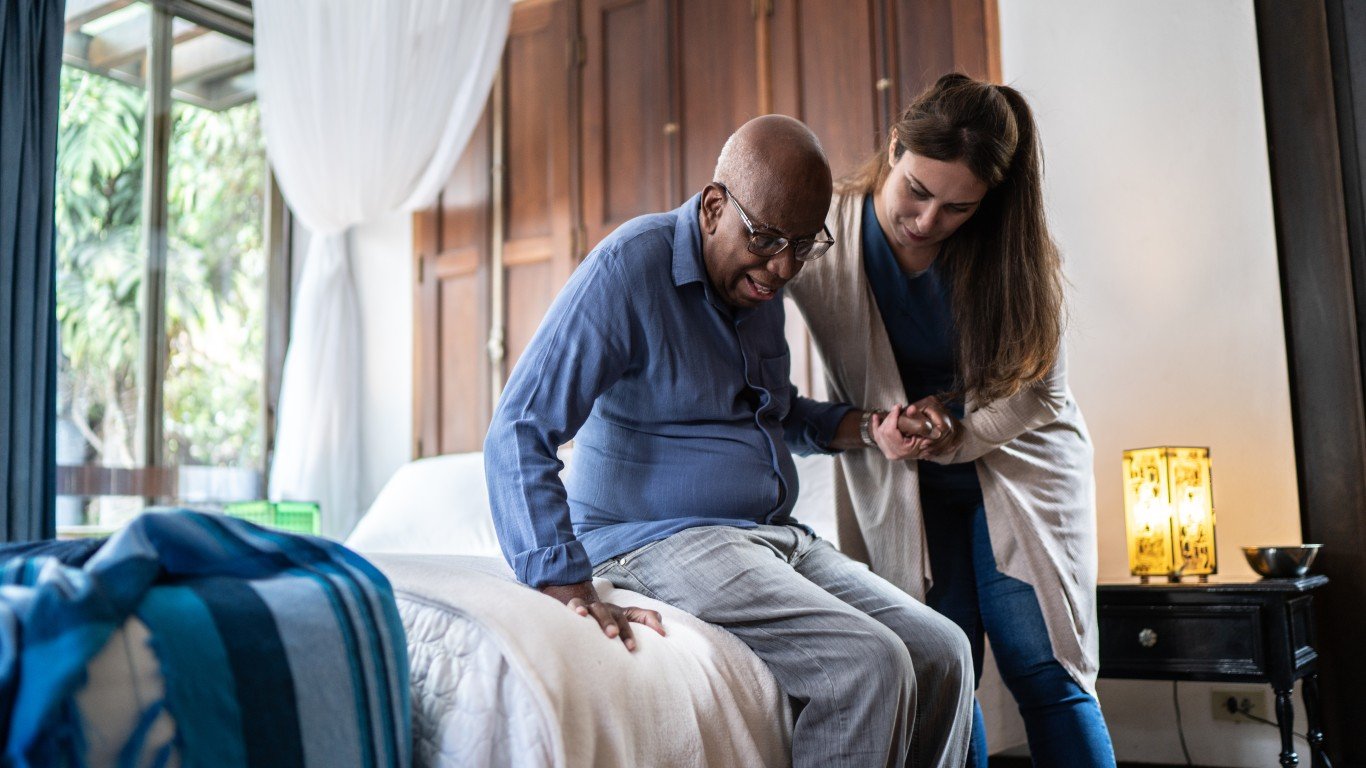
When someone living alone falls or has a stroke, there’s nobody to call 911. Help depends on a missed tee time or a neighbor spotting newspapers piling up. A personal emergency response system costs $25 to $30 a month for in-home monitoring. Mobile units run $40 to $50, and automatic fall detection adds $5 to $12 per month. Plan on about $600 a year. Add a daily check-in: a friend, church group, or paid service that calls every morning and follows up if nobody answers.
Transportation becomes a central cost once someone can’t safely drive a car or cart, since rideshare and medical transport fill the gap at a price. The Villages covers Sumter, Lake, and Marion counties, so paratransit eligibility depends on the address.
Hospital Discharge With No One Waiting at Home
Federal rules require hospitals to run a discharge planning process that treats patients and their caregivers as active partners and flags early the patients likely to have adverse outcomes. When the patient lives alone, that usually means a rehab bed wherever one is open, or paid help at home. Research cited by elder law attorneys found between 19% and 23% of recently hospitalized patients had an adverse event after discharge.
Someone without family nearby has to pay for that recovery help. Home health care cost approximately $75,504 to $77,792 a year in 2024, or roughly $1,452 to $1,496 a week depending on the type of service. Eight weeks of help with meals, medications, and rides to follow-up visits comes to about $11,616.
A geriatric care manager is the paid stand-in for an adult child who lives nearby. They assess needs, hire aides, attend appointments, and keep out-of-state family informed. Fees typically run $50 to $200 per hour, with others citing $75 to $250, and Medicare doesn’t cover them. Twelve hours a year at the top rate comes to $3,000.
Signing the Documents That Fix What Paperwork Can
A Florida health care surrogate designation must be signed in front of two witnesses. One can’t be a relative, and the surrogate can’t serve as a witness. Without a designation, Florida Statute 765.401 sets a priority order ending with a stranger for someone whose children live out of state.
Essential documents include a living revocable trust, a will, an advance directive, and a durable power of attorney for health care. Add a durable financial power of attorney to avoid guardianship proceedings during incapacity, and a HIPAA authorization so named people can access medical information. Name a local backup surrogate who can reach the emergency room within the hour.
Choosing Where to Age Before a Crisis Chooses for You
Moving to assisted living or continuing care with on-site services is easier at 75 than during a discharge crisis. Waiting usually means being moved by someone else into whatever bed is open. Touring nearby communities and joining waiting lists early keeps the choice in the retiree’s hands. As Wes Moss puts it, “your income in retirement planning doubles as your long-term care planning as well.”
What Solo Living There Costs Once Care Is Counted
Adding monitoring and care management increases the annual gap to about $39,600. At 3.5%, that drives the portfolio target to roughly $1.13 million. Including an $11,616 recovery reserve held in cash or a Treasury ladder brings the total to about $1.14 million (the shift away from the classic 4% figure to something closer to 3.5% is the whole argument of our free income-first retirement guide).
Taking Social Security later lowers that number. Beyond the money, the core steps are to sign a durable financial power of attorney, a health care surrogate designation, an advance directive, and a HIPAA release. Then pick one local person who has a key, knows the doctors, and is named on all four documents.
Contact [email protected] for any questions or corrections.
David Beren has been a Flywheel Publishing contributor since 2022. Writing for 24/7 Wall St. since 2023, David loves to write about topics of all shapes and sizes. As a technology expert, David focuses heavily on consumer electronics brands, automobiles, and general technology. He has previously written for LifeWire, formerly About.com. As a part-time freelance writer, David’s “day job” has been working on and leading social media for multiple Fortune 100 brands. David loves the flexibility of this field and its ability to reach customers exactly where they like to spend their time. Additionally, David previously published his own blog, TmoNews.com, which reached 3 million readers in its first year. In addition to freelance and social media work, David loves to spend time with his family and children and relive the glory days of video game consoles by playing any retro game console he can get his hands on.