The Big 55+ Community With the Lowest Monthly Fee Is the One Residents Say Costs the Most
The Villages posts one of the lowest monthly amenity fees among major 55-plus communities, yet residents consistently describe a second bill that quietly doubles the real number. Understanding where that charge hides changes how much you need saved before you…

This post may contain links from our sponsors and affiliates, and Flywheel Publishing may receive compensation for actions taken through them.
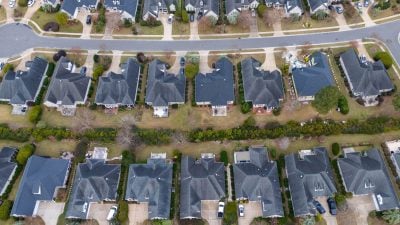
The Villages in central Florida advertises an amenity fee of $204 to $211 per month for pools, golf, clubs, and recreation centers. That figure gets buyers shopping for 55+ communities. But residents and local agents describe a second bill that comes with the county property tax statement. The figures will help outline what retiring there actually costs and how much a couple needs invested to keep the low advertised fee low in practice.
Where the Real Monthly Cost Sits
A large share of the cost runs through a Community Development District, and not the amenity fee. Roads, water lines, sewer, and streetlights in newer neighborhoods are paid for with bonds that owners repay over 20 to 30 years through their property taxes. One local agent’s fee guide puts the annual bond assessment at $350 to $1,000+.
A separate CDD maintenance assessment is set each year by the district board and, in that guide’s words, “never goes away”. Trash adds $28 to $32 a month, water and sewer add $40 to $100, and some districts charge a fire assessment of about $13. One recent analysis found carrying costs in a Florida 55+ community can pass $24,900 a year before groceries.
Florida ranks 1st for individual income tax in the 2025 State Tax Competitiveness Index because it has no personal income tax. Its property tax ranking is 21st. Medicare Part B costs $202.90 per person per month, about $4,870 a year for a couple, before the $283 Part B deductible and the $1,736 Part A hospital deductible.
Turning the Budget Into a Portfolio Target
The average U.S. household spends $78,535 a year. Florida’s cost-of-living index is 103.414, so the adjusted figure is about $81,200. For a couple with a paid-off home, that covers the amenity fee, CDD lines, utilities, Medicare premiums, extra coverage, home maintenance, and a reserve for federal tax on withdrawals.
A typical retired worker receives $2,087.52 a month in Social Security, or about $50,100 a year for two. That leaves a gap of roughly $31,100. Covering that gap at a 4% withdrawal rate takes about $778,000. At 3.5%, which fits better for a couple in their mid-60s planning for 30 years, the target is about $889,000. Waiting until 70 and collecting a benefit 24% larger drops the 4% target to around $628,000.
Consumer prices rose about 3.4% over the past year, and the 2027 Social Security COLA is heading toward 3.3%. The amenity fee itself may be adjusted based on CPI.
How the Bond Line Affects Resale and Medicare
Remaining bond amounts transfer with every sale, so two homes with the same list price carry very different long-term costs. A lump-sum IRA withdrawal to retire the bond raises modified adjusted gross income. Joint filers above $218,000 pay income-related Medicare surcharges. On Part D alone, the surcharge starts at $14.50 a month per person and reaches $91.00 at the top tier. Because these surcharges are based on income from two years earlier, a single large withdrawal can raise premiums long after the payoff.
Existing-home sales are running at 3.98 million annualized, in soft-market territory. The age restriction limits who can buy, and heirs who do not meet the age rule must sell into that limited pool while fees, taxes, and bond assessments keep coming due.
What It Takes for the Low Fee to Stay Low
A couple with a paid-off home and two typical Social Security checks needs roughly $780,000 to $890,000 invested, drawn down at 3.5% to 4% a year. Delaying the higher earner’s claim to 70 brings the target down to about $630,000. The number that matters most is the remaining bond balance and annual maintenance assessment on the specific house.
Paying off the bond from regular savings or spreading the payoff over several tax years affects whether the advertised fee reflects total carrying costs. (The 4% figure itself was built for a different market, which is why our free guide argues for an income-first approach instead: here.)
Contact [email protected] for any questions or corrections.
David Beren has been a Flywheel Publishing contributor since 2022. Writing for 24/7 Wall St. since 2023, David loves to write about topics of all shapes and sizes. As a technology expert, David focuses heavily on consumer electronics brands, automobiles, and general technology. He has previously written for LifeWire, formerly About.com. As a part-time freelance writer, David’s “day job” has been working on and leading social media for multiple Fortune 100 brands. David loves the flexibility of this field and its ability to reach customers exactly where they like to spend their time. Additionally, David previously published his own blog, TmoNews.com, which reached 3 million readers in its first year. In addition to freelance and social media work, David loves to spend time with his family and children and relive the glory days of video game consoles by playing any retro game console he can get his hands on.