He Will Retire in Montana Short on Savings. The Cabins Nobody Can Afford to Keep Will Become His Business
A 65-year-old in the Flathead Valley has less than half the savings most retirement calculators say he needs, but a 2026 Montana tax overhaul quietly handed him a business model that could change that math entirely.

This post may contain links from our sponsors and affiliates, and Flywheel Publishing may receive compensation for actions taken through them.

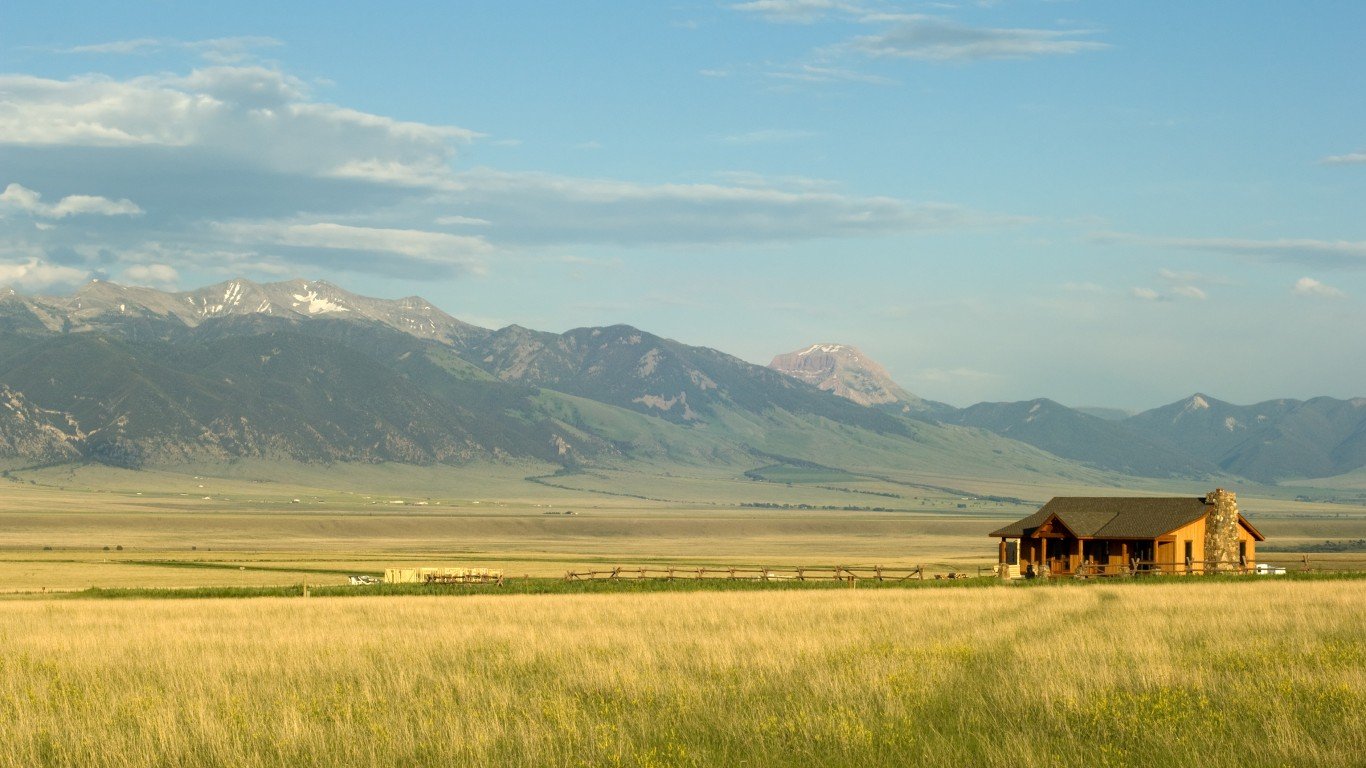
Many people picture retiring in Montana, then look at their account balance and stop there, as one 65-year-old with about $200,000 saved and a paid-off, modest house in the Flathead Valley did. His plan to cover the shortfall is to look after other people’s cabins, depending on local demand for property care. Montana’s 2026 property tax overhaul changes the picture, though. It turns cabin care into a real business, and that business cuts what he needs to save by more than half.
What a Modest Flathead Valley Retirement Really Costs
Montana’s cost of living index is 94.645, compared with the national average of 100. The Flathead is more expensive than that average suggests, and Kalispell’s median sale price rose to $560,000 in 2025. He owns his house outright, so his housing costs are taxes, insurance, and maintenance, and here’s a sample, example single-person budget in today’s dollars:
- Homestead property tax, insurance, and maintenance: $7,000
- Food: $5,500
- Utilities, winter heat, internet, and phone: $4,800
- Truck, fuel, insurance, and a replacement fund: $7,500
- Healthcare: Medicare Part B at $202.90 a month, plus Medigap, Part D, and out-of-pocket costs, about $7,000
- Gifts, personal spending, and an emergency reserve: $6,000
That adds up to about $37,800. Montana taxes single filers at 4.7% on taxable income up to $95,000, and people 65 and older get a $5,500 subtraction. With federal and state income tax, assume a working budget of about $40,000, but with CPI running at 3.7% over the past year, that figure will keep rising.
Why Claiming Social Security at 65 Leaves a $436,000 Hole
His full-retirement-age benefit matches the average for retired workers: $2,170 a month after the 3.6% COLA for 2027. If he claims at 65, he gets about $22,570 a year. That leaves a $17,431 gap, and covering it at a 4% withdrawal rate would require $435,775. He has less than half of that.
Claiming early and working a side job triggers the earnings test. Before full retirement age, Social Security deducts $1 for every $2 earned above $25,560 in 2027. On top of that, he owes 15.3% self-employment tax on his business income. Taking benefits early while the business is running means giving up part of both income streams.
Montana’s Second-Home Tax Is Building His Client List
In 2026, homesteads are taxed at 0.76% on the first $378,000 of market value. Second homes and short-term rental cabins pay a flat 1.90%, which is 2.5 times the homestead rate. These rates first set a property’s taxable value. Local mill levies are then applied, so a cabin owner’s bill can rise sharply even when the valuation stays the same.
Montana’s rules include a long-term rental exception. Properties leased for 28+ days for at least 7 months a year count as long-term rentals and get the reduced tiered rates. Owners who can’t justify the higher bill need local help. They need someone to winterize, plow, run checks, and place 30-day tenants such as traveling nurses and seasonal workers. Documenting those leases is what moves a cabin to the lower rate, and it’s work a retiree can sell.
Hypothetically, assume 15 clients net him $40,000. Self-employment tax takes about $5,650 and leaves $34,350, so assume he draws about $7,000 a year from savings. Montana ranks 5th overall on a Tax Competitiveness Index and 3rd on sales tax, so a small service business faces little tax friction.
How the Math Works With the Business
The business is what lets him wait until 70 to claim Social Security. At 70, his benefit grows to about $32,290 a year, and the gap shrinks to $7,710. A retirement that starts at 70 is shorter, so this plan assumes a 4.5% withdrawal rate. At that rate, the gap needs about $171,000. Suppose his $200,000 earns 5% a year in index funds. A short Treasury ladder holds the cash he draws, and he takes $7,000 a year for five years. He would reach 70 with about $216,577, which leaves a buffer of roughly $45,000.
The plan depends on several inputs. First, it requires $40,000 in net business income per year from 65 to 70, a 5% portfolio return, Social Security claimed at 70, and withdrawals capped at 4.5% after that. Without the business, he needs about $436,000. With it, he needs about $171,000. One rule makes the business possible: the 28-day, seven-month long-term rental test. Cabin owners facing the 1.90% rate have a strong reason to pay someone who can get them onto the lower rate.
Contact [email protected] for any questions or corrections.
David Beren has been a Flywheel Publishing contributor since 2022. Writing for 24/7 Wall St. since 2023, David loves to write about topics of all shapes and sizes. As a technology expert, David focuses heavily on consumer electronics brands, automobiles, and general technology. He has previously written for LifeWire, formerly About.com. As a part-time freelance writer, David’s “day job” has been working on and leading social media for multiple Fortune 100 brands. David loves the flexibility of this field and its ability to reach customers exactly where they like to spend their time. Additionally, David previously published his own blog, TmoNews.com, which reached 3 million readers in its first year. In addition to freelance and social media work, David loves to spend time with his family and children and relive the glory days of video game consoles by playing any retro game console he can get his hands on.