The Retirees Who Bought in Florida in 2022 Say the House Is Worth Less and Everything Else Costs More
Buying near the peak felt like a smart move until insurance bills, condo assessments, and a property tax reset turned the math upside down. What retirees who closed in 2022 are discovering now goes well beyond what the price index…

This post may contain links from our sponsors and affiliates, and Flywheel Publishing may receive compensation for actions taken through them.

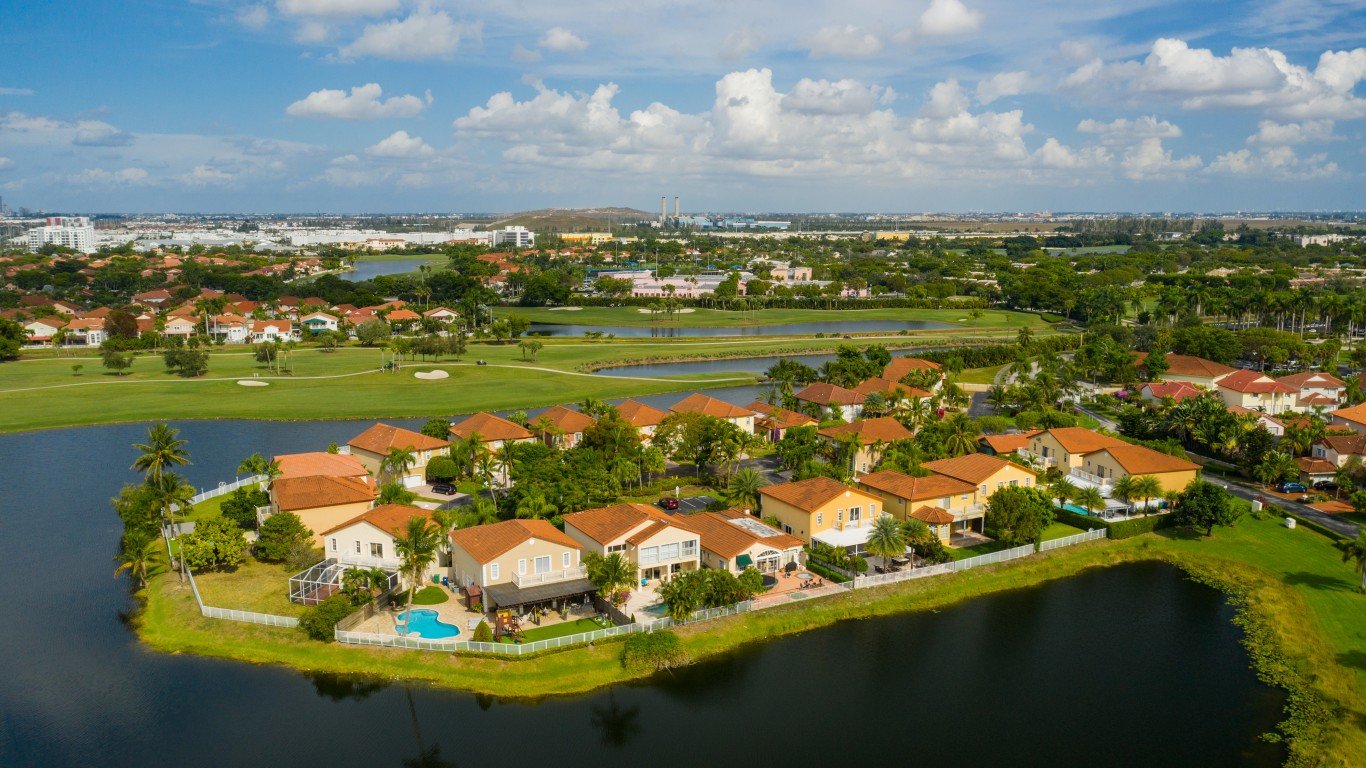
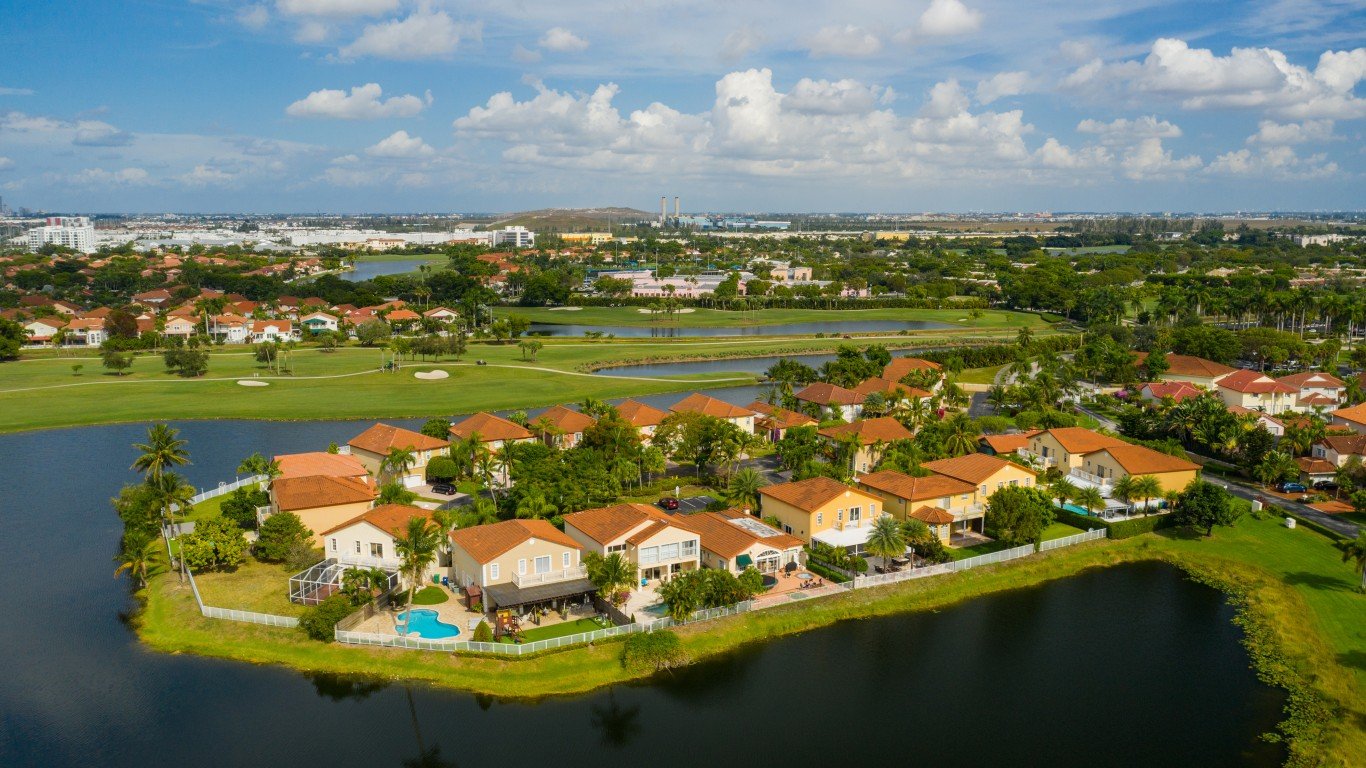
Florida homeowners who bought in the summer of 2022 bought after a period of steady price gains, and many now question whether they bought at the top. Of course, it depends on where in Florida they bought. The cost of keeping the house looks much more similar from one part of the state to the next.
Where Florida Home Values Stand Against 2022
Federal Housing Finance Agency index data through 2026 Q2 shows the headline holds for the southwest Gulf Coast. The Cape Coral-Fort Myers index fell from 443.24 in 2022 Q3 to 403.2. That’s a drop of about 9%, while Punta Gorda fell from 436.53 to 391.34, roughly 10%. North Port-Bradenton-Sarasota slid about 2%.
Elsewhere, the numbers point the other way. West Palm Beach-Boca Raton is up about 17% from 2022 Q3. Naples is up about 10%, Tampa about 8%, and The Villages about 4%. However, the government’s inflation index for Americans 62 and older rose about 15% between June 2022 and September 2026.
So a house in Tampa or The Villages gained on paper and still lost buying power. Sales activity is also slow. Existing home sales are running at a 3.99M annualized pace, which counts as a soft market.
Carrying Costs That Kept Climbing
Insurance is a major carrying cost for Florida owners. Florida homeowners are paying record insurance costs. Citizens Property Insurance, the state-backed insurer of last resort, has capped annual rate increases on primary homes at a level that rises to 15% by 2026. Its board approved 2026 recommendations that average a 2.6% cut. Flood coverage is priced separately. Under the federal flood program’s newer pricing system, any single policy’s rate can rise up to 18% annually until it reaches the full-risk price. For many owners, that means steady increases for years.
Condo owners also picked up the cost of new safety rules passed after the Surfside collapse. Buildings three stories or taller had to complete a structural integrity reserve study, an engineer’s review of what major repairs will cost and how much the association must save for them, by December 31, 2025. When those savings fall short, owners make up the gap through higher monthly dues or special assessments.
Property taxes affect 2022 buyers most directly. A homestead exemption can reduce taxable value by up to $50,000. On top of that, the Save Our Homes cap limits annual increases in assessed value to 3% or inflation, whichever is lower. However, a sale resets the assessment to market value.
A 2022 buyer got reset at peak prices. A neighbor who bought in 2012 has had more than a decade of capped growth. Two identical houses can carry very different tax bills.
Selling, Renting or Moving Within Florida
Staying put means bearing the costs. Selling at a loss offers no tax relief because a loss on property held for personal use isn’t deductible, except in the case of a casualty or theft loss, as federal law § 165(c) sets out. Renting the house out first doesn’t fix that. The deductible loss on a converted home is measured from the lesser of the property’s adjusted basis or FMV at the time of the change. That leaves out any drop that came before.
Moving within Florida raises a portability issue for recent buyers. Portability lets owners carry their built-up Save Our Homes benefit to a new Florida home, up to $500,000. But a 2022 buyer has only had a few years of capped growth. And where prices fell, the assessment may already match market value. That can leave little or nothing to carry over, while the longtime neighbor brings a large benefit along.
Pricing the Full Annual Cost Before an Offer
The full annual cost includes property tax at a reset assessment, plus wind and homeowners coverage, flood coverage, HOA or condo dues (including reserve contributions), and a maintenance budget. That total can then be expressed as a portfolio figure.
Using a 4% withdrawal rate, every $10,000 a year in carrying costs takes about $250,000 in savings. Social Security offsets part of the cost, and the 3.6% inflation adjustment for 2027 lifts the average retired worker’s check to $2,170 a month. That raise matches the 3.6% yearly rise in senior inflation, but insurance and association dues have climbed on their own schedule.
Some planners test a Florida purchase against a 30-year withdrawal rate of 4% or bring it down, with insurance and dues assumed to grow faster than general inflation (we made the full case for an income-first alternative to the old 4% rule in a free report: here).
Before making an offer, buyers can request written wind and flood quotes, the association’s latest reserve study, and the county property appraiser’s tax estimate at the purchase price. The purchase price is paid once. The full annual cost of owning the house shows whether the plan holds up for decades.
Contact [email protected] for any questions or corrections.
David Beren has been a Flywheel Publishing contributor since 2022. Writing for 24/7 Wall St. since 2023, David loves to write about topics of all shapes and sizes. As a technology expert, David focuses heavily on consumer electronics brands, automobiles, and general technology. He has previously written for LifeWire, formerly About.com. As a part-time freelance writer, David’s “day job” has been working on and leading social media for multiple Fortune 100 brands. David loves the flexibility of this field and its ability to reach customers exactly where they like to spend their time. Additionally, David previously published his own blog, TmoNews.com, which reached 3 million readers in its first year. In addition to freelance and social media work, David loves to spend time with his family and children and relive the glory days of video game consoles by playing any retro game console he can get his hands on.