Dave Ramsey’s 25% Rule for a 66-Year-Old Buying a $380,000 Florida Home on $4,900 a Month. Here’s the Payment, the Insurance Bill and What’s Left

This post may contain links from our sponsors and affiliates, and Flywheel Publishing may receive compensation for actions taken through them.

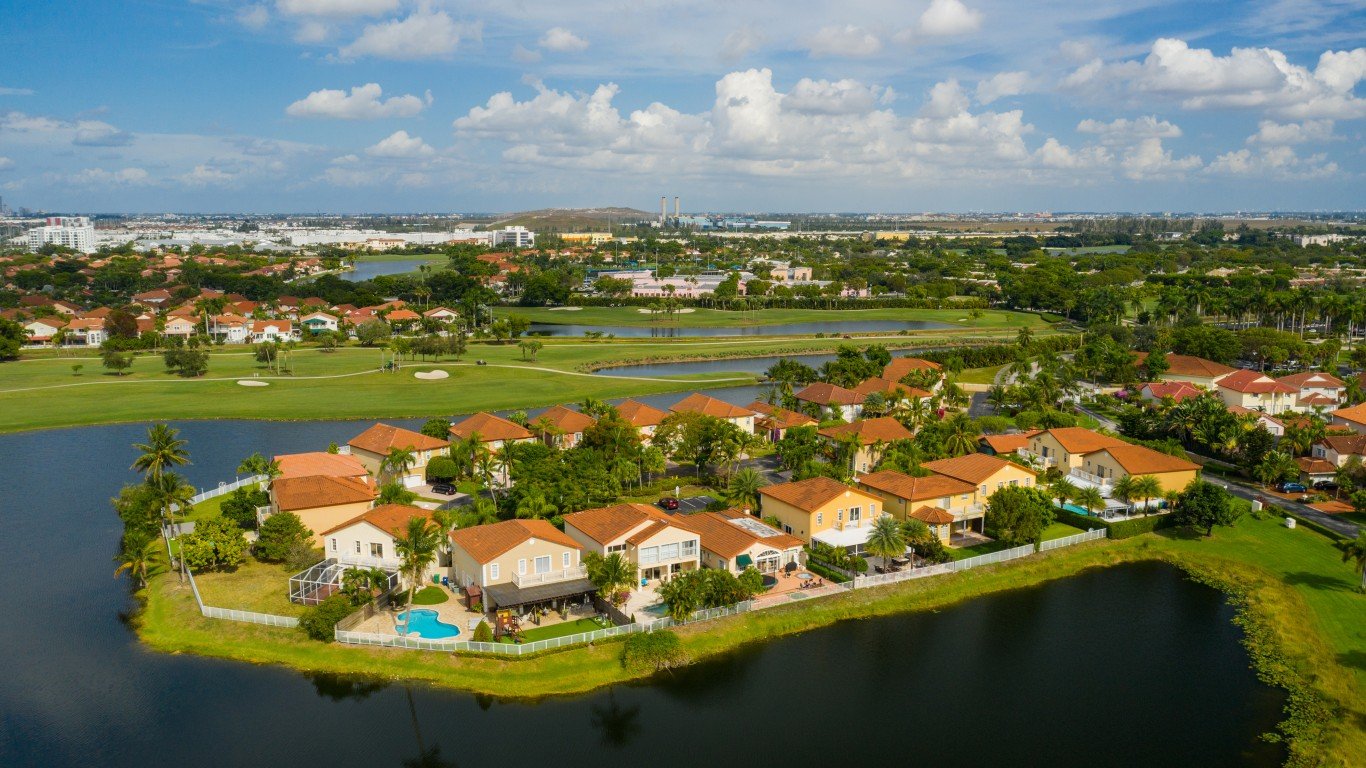
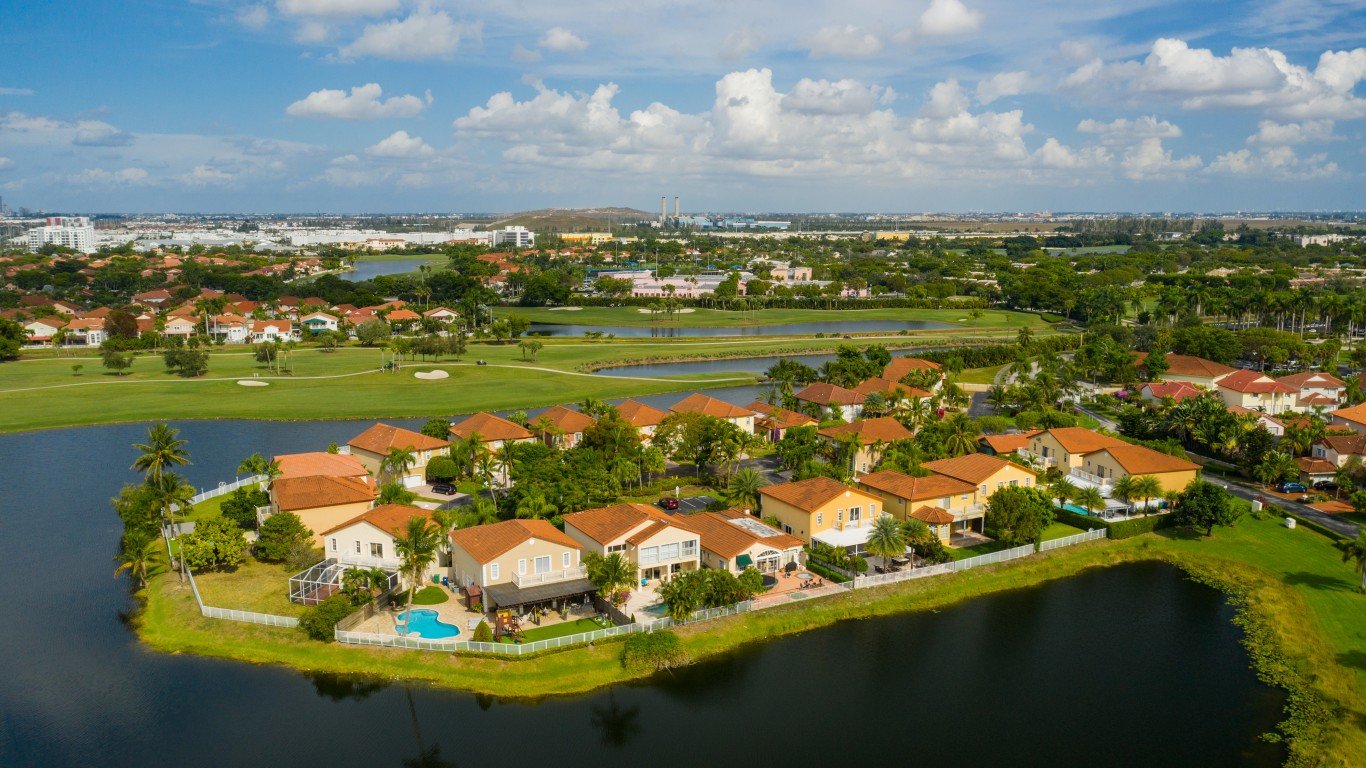
This article examines whether a 66-year-old retiree can afford a $380,000 house with a lanai, a short drive from the grandkids. Assume his take-home income is $4,900 a month, and the question that follows is familiar to people buying a retirement home.
Does this hold up under Dave Ramsey’s rule, or does it only feel affordable, since the real question is whether the payment, the insurance, and the taxes leave enough to live on?
How Much House Dave Ramsey’s 25% Rule Really Allows
Ramsey states it simply: he believes a payment should be “no more than 25% of your take-home, all in on a 15-year fixed rate.” On $4,900 of take-home pay, that cap is $1,225 a month. The $4,900 figure is above the maximum Social Security benefit at full retirement age of $4,152. This income almost certainly combines Social Security with a pension or portfolio withdrawals.
The average 15-year fixed rate was 6.66%[1] for the week ending November 19, 2026. That’s close to the one-year high of 6.73%[1] and well above February’s low of 5.35%. Put $76,000 down (20%), and the principal and interest alone run about $2,675 a month. That’s roughly 55% of take-home pay, more than double Ramsey’s line, and it leaves only about $2,225 for everything else. Readers who want to run their own price, down payment, or rate can plug the numbers in here:
To bring principal and interest down to $1,225, the loan can’t be much bigger than about $139,000. So the buyer needs roughly $241,000 down, about 63% of the price. That figure does not include insurance and taxes.
Why Florida Insurance and Property Taxes Raise the Down Payment
Under the “all-in” standard, homeowners insurance, flood coverage, and property taxes must all fit under the same $1,225, even though Florida premiums vary widely by county. They also depend on how far the house is from the coast, how old the roof is, and whether it has wind mitigation features.
Standard homeowners policies don’t cover flood, and lenders require separate flood coverage on homes in designated flood zones. Insurance quotes depend on the specific address. At today’s rate, every $100 a month of escrow means about $11,400 more down to stay under the cap.
Florida’s homestead exemption reduces taxable property value. Under Amendment 3, approved in November 2026, new Florida residents generally receive the existing homestead exemption initially, while the larger exemption for non-school taxes becomes available beginning in their fifth year of qualified ownership. Many buyers may also count on the senior exemption to help reduce overall costs as well.
Fla. Stat. § 196.075(2)(a)[2] allows up to $50,000[2] more, but only where the county or city has adopted it, and household income is no more than $20,000, adjusted for inflation. At about $58,800 a year, this buyer probably won’t qualify. Florida voters also recently approved property tax cuts, leaving towns to figure out how to cover the lost revenue. To get more exact figures, estimates are available from the county property appraiser.
What the Monthly Budget Looks Like After the House
If housing stays at $1,225 monthly, about $3,675 is left. Subtract the 2027 Medicare Part B premium of $209.40, and roughly $3,466 remains for food, utilities, drug coverage, supplemental insurance, a car, and home repairs. Florida’s expense index is 103.414, a bit above the national average of 100.
The mortgage payment stays the same for 15 years, while insurance and taxes can change. The 2027 cost-of-living adjustment of 3.6% only increases Social Security income, so any pension or withdrawal income has to grow on its own. A 15-year loan taken out at 66 is paid off at 81, and the whole budget has to hold up through every renewal notice until then.
What It Takes to Buy This House on This Income
Under Ramsey’s rule, this purchase works only if roughly $241,000 goes down at closing, plus about $11,400 more for every $100 of monthly insurance and taxes. In practice, that likely means proceeds from selling a previous home, a cheaper house, or paying cash and treating the $1,225 as the budget for insurance, taxes, and maintenance. At $4,900 a month, this house fits Ramsey’s rule only if it’s mostly paid for on day one.
Contact [email protected] for any questions or corrections.
David Beren has been a Flywheel Publishing contributor since 2022. Writing for 24/7 Wall St. since 2023, David loves to write about topics of all shapes and sizes. As a technology expert, David focuses heavily on consumer electronics brands, automobiles, and general technology. He has previously written for LifeWire, formerly About.com. As a part-time freelance writer, David’s “day job” has been working on and leading social media for multiple Fortune 100 brands. David loves the flexibility of this field and its ability to reach customers exactly where they like to spend their time. Additionally, David previously published his own blog, TmoNews.com, which reached 3 million readers in its first year. In addition to freelance and social media work, David loves to spend time with his family and children and relive the glory days of video game consoles by playing any retro game console he can get his hands on.