‘Only Go Into Physical Stores Every Sixth Week’: Clark Howard’s Anti-Impulse Rule as Costco Hits $1,025
Clark Howard spent years watching couples bleed money one warehouse trip at a time, and the fix he landed on sounds almost too simple to work. With Costco shares surging past $1,000 and the holiday treasure-hunt season starting, the math…

This post may contain links from our sponsors and affiliates, and Flywheel Publishing may receive compensation for actions taken through them.

Consumer host Clark Howard used his November 4, 2026 podcast to share a rule from the years he spent counseling couples about money: “When I would do couples counseling, I wanted people to only go into physical stores every sixth week because my experience is when you’re in stores, you’re going to buy more than you would if you weren’t.”
He then described how he shops a warehouse club himself: “I walk the aisles till I’ve seen everything. The things I pick up are only in my arms. If I see something else I want, somebody has to go back on the shelf. Only at the very end do I go get a shopping cart.”
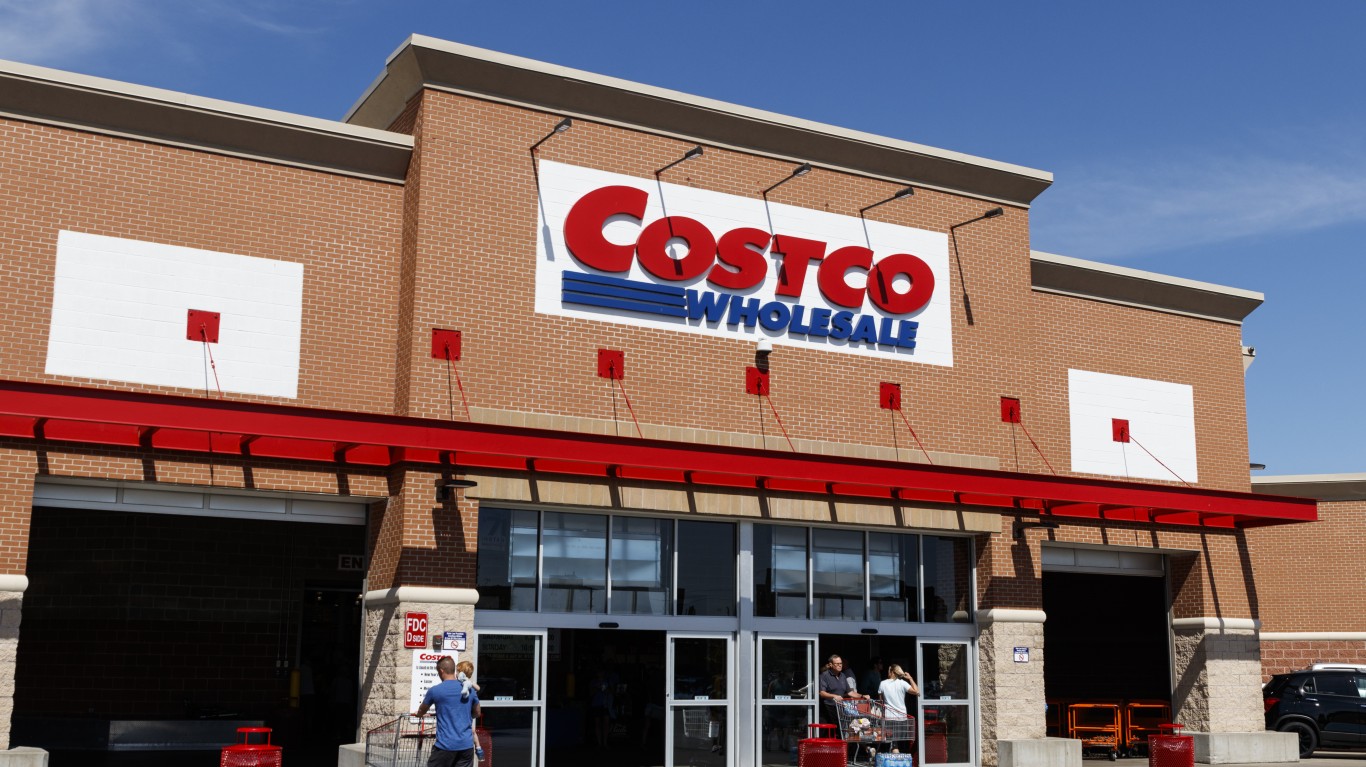
That same morning, Costco (NASDAQ:COST | COST Price Prediction) shares moved past $1,025 to about $1,051. The stock is up 14% over the past month and 23% this year.
Yahoo Finance’s Brian Sozzi pointed out that it trades at 44 times forward earnings. A CNBC segment also pitched Costco as a November holiday play, noting the stock has risen in November for 17 years in a row. Investors are paying up for the exact holiday browsing Howard wants you to cut.

Howard’s Rule Holds Up Once You Multiply the Trips
The rule works. Impulse spending is a per-trip cost multiplied by the number of trips, and most shoppers never do that multiplication.
Costco’s own numbers show why the trips matter. In its fiscal fourth quarter, shopping frequency rose 3% and the average ticket rose 6%. Nonfood items were the best-performing category. The CFO said members “show a willingness to spend in discretionary areas where they’re seeing exciting new items at great value.” He also credited the “treasure-hunt environment” of the warehouses. That phrase describes the business model: every visit is a chance to buy something you never planned to buy.

Picture an example shopper who goes in once a week and adds $40 of unplanned items each time. Over 52 trips, that comes to $2,080 a year.
Now switch to one trip every sixth week, which works out to nine trips a year.
Assume each trip’s impulse spending grows to $60, since you see more new product when you go less often. The annual total falls to $540, which saves $1,540.
Credit cards make the gap bigger. The average card APR is 21%. Carrying a $2,080 balance for a full year at that rate adds about $441 in interest.
Your Shopping List Is the Variable That Flips the Math
How much the rule saves you depends on one thing: whether you shop from a list and stick to it.
Take a shopper who goes weekly with a list and still adds $10 per trip. That costs $520 a year.
Cutting to nine trips at $15 each brings it down to $135, a savings of $385. That money is real. Still, it’s a quarter of what the browser saves.
Fewer trips have costs of their own. Fresh food spoils, and you lose easy access to cheap gas. Costco estimates its pumps saved members over $3.2 billion compared with average prices.
For browsers, the per-trip number does most of the damage, which is why the arms-only rule is Howard’s sharpest tool. It limits each trip to what your hands can carry, and it makes you trade one item for another instead of adding both.
Delivery doesn’t fix this on its own. Costco says its Uber Eats, DoorDash and Instacart orders arrive in under an hour, which helps for fill-in shopping. Howard warned in the same episode that your phone adds its own pressure: “There’s this deal, there’s this sale next 12 hours today only. Whatever. Urge, urge, urge to click to buy.”
Run a Three-Month Impulse Audit Before the Holiday Rush
- Measure your per-trip overspend. Pull your warehouse receipts or card statements from the last three months. Mark every item that wasn’t on a list, add those up, and divide by the number of trips. That result is your real impulse cost per visit.
- Multiply it by your annual trips. Run the number at your current rate, then at nine trips a year. If the difference is in four figures, Howard’s sixth-week rule pays off for you.
- Leave the cart at the door. Carry items in your arms until the last aisle, then grab a cart only for the heavy basics on your list. This works on the per-trip number even if you keep going weekly.
- Pay the statement in full. At an average APR above 21%, a carried balance can turn a $40 impulse buy into a much bigger cost.
- Plan your trips around big purchases. Howard praised Costco’s car-buying program in the same episode, saying dealers that play games “will get booted out.” Value from membership comes from planned purchases like that one.
Run the audit before your first November warehouse trip, so you know your real per-visit cost before the holiday promotions start pulling you down extra aisles.
Contact [email protected] for any questions or corrections.
Jake has been been working in financial media for almost 15 years. He focuses on all things personal finance for 24/7 Wall St. with high hopes to educate and entertain. Most recently, Jake spent 12 years working various roles at The Motley Fool. He started copy editing fool.com content, worked on premium and marketing campaigns, and helped launch The Ascent, a personal finance brand.
His work has been featured on platforms like MSN, Yahoo Finance, USA Today, and more. He's written about credit cards, social security, ETFs, savings accounts, and just about anything else you can imagine when thinking about money. Jake love to cook, play golf, and tell people he's never had a cavity. (It's true!)