He’ll Borrow $40,803 From His 401(k) to Buy Three Breeding Bulls, Expecting His Herd to Pay Him Back. A Cattle Price Crash Could Leave Him Owing Taxes on the Loan

This post may contain links from our sponsors and affiliates, and Flywheel Publishing may receive compensation for actions taken through them.
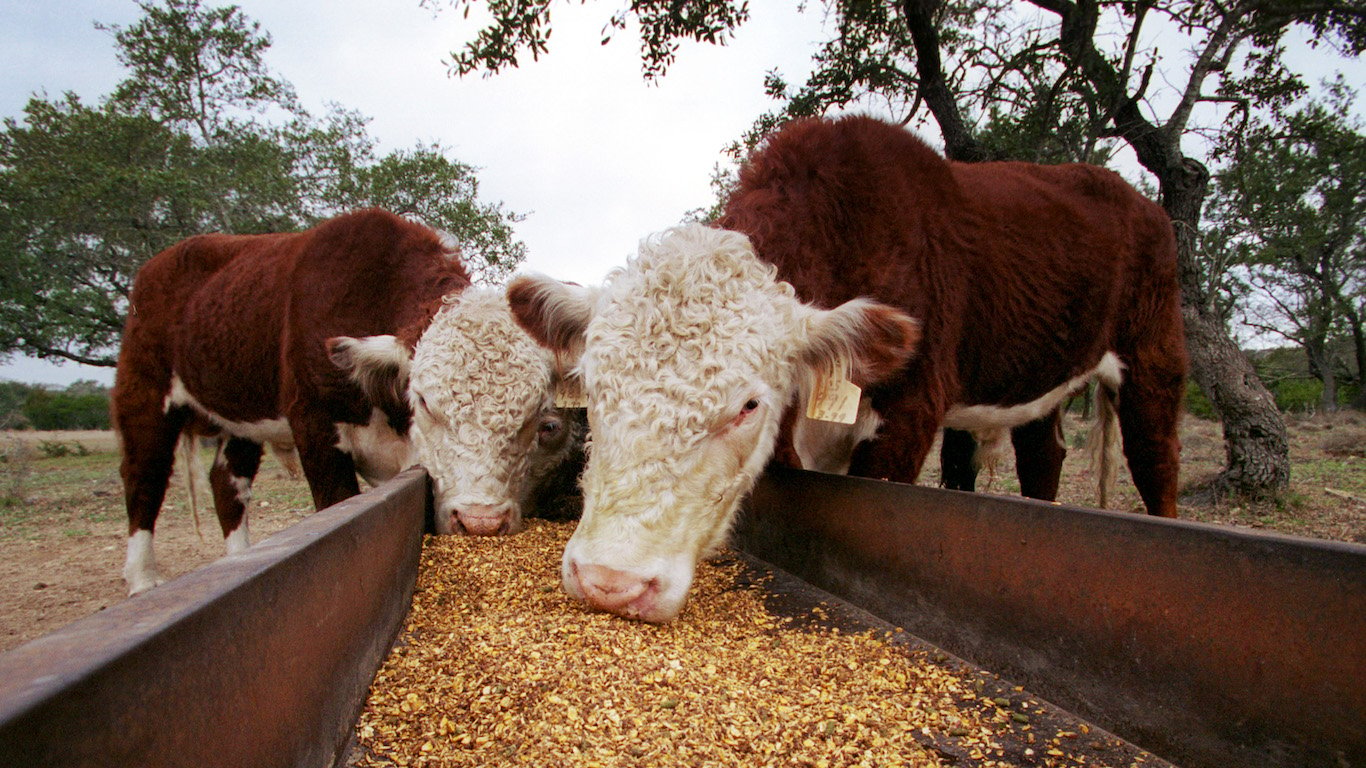
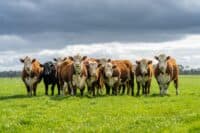
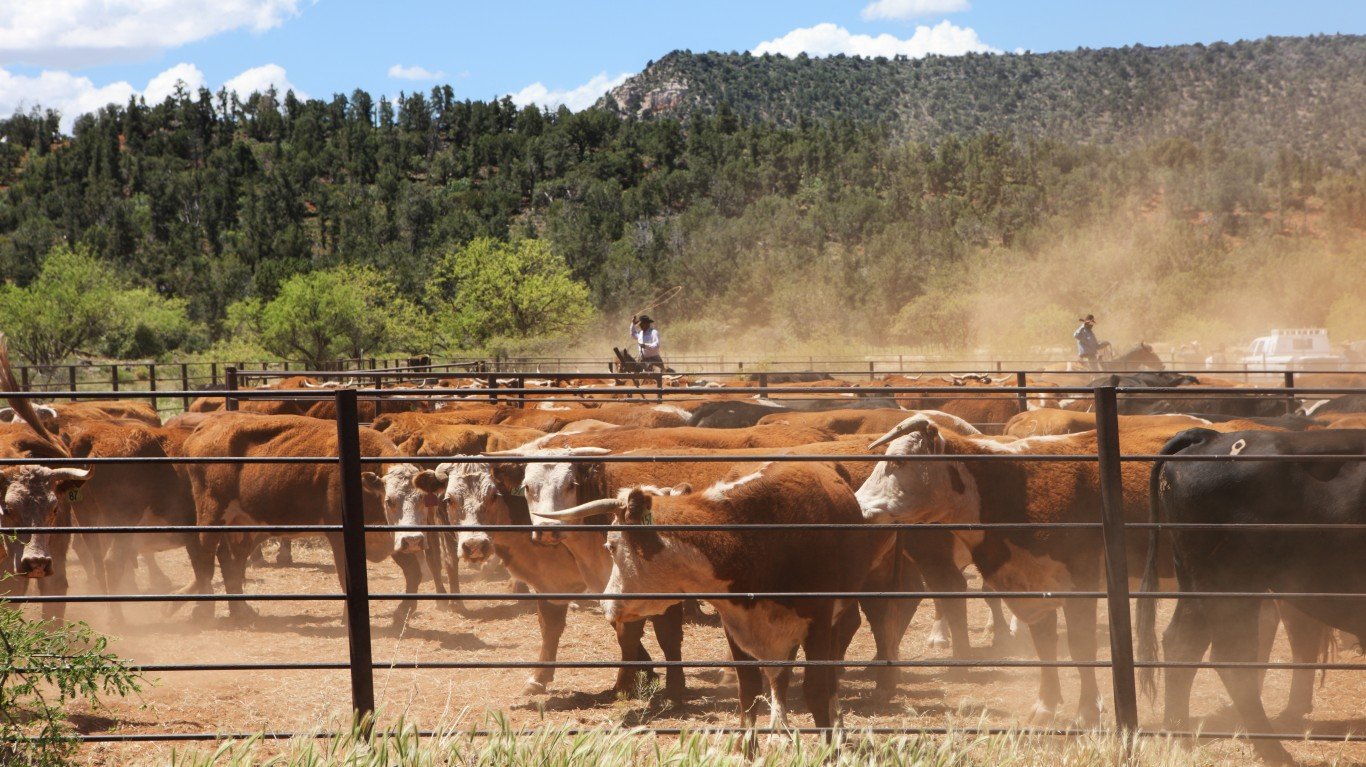
Consider a hypothetical 58-year-old California rancher who wants three breeding bulls to grow his herd. At the recent auction average of $13,601 apiece, the trio would cost $40,803. He skips the bank, plans to borrow from his solo 401(k), and counts on future cattle sales to cover the payments.
His strategy depends on future cattle sales covering the loan payments. If prices tumble, the same investment that promised to expand his herd could leave him facing a federal tax bill.
Bull Prices Nearly Doubled in Two Years
At the Donati Ranch bull sale in Oroville, California, the average price reached $13,601 in September 2026. That compares with $7,874 in 2024. For our rancher, three bulls now cost $17,181 more than they would have two years ago.
Scarcity is behind the jump. The U.S. cattle herd stayed at its smallest since 1951 at the start of the year, and The Wall Street Journal reported this week that high beef prices are here to stay. Tom Donati, whose ranch runs the auction, worries that ranchers borrowing heavily to buy breeding stock could suffer if cattle prices decline.
How Much He Can Borrow and How Fast He Must Repay
Assuming his plan permits loans, IRS rules generally limit him to borrowing the lesser of $50,000 or half his vested account balance. To borrow $40,803, he needs at least $81,606 vested, with no loans in the prior year reducing the $50,000 cap.
Under IRS rules, he generally must repay the loan within five years, making substantially equal payments at least quarterly. A properly structured loan triggers no income tax when he takes the cash. He avoids a bank loan, but his plan must charge reasonable interest and adequately secure the loan. The interest he pays goes back into his retirement account.
His repayment schedule, however, must follow strict IRS rules. A farm lender may be willing to restructure a note after a bad year. His 401(k) cannot simply extend the five-year deadline or suspend payments because calf prices fell.
A Default at 58 Could Cost $12,160 in Federal Tax
Suppose cattle prices slide, his calf-sale income shrinks, and he stops paying with $38,000 still outstanding. If he doesn’t catch up within the plan’s permitted grace period, the remaining balance, plus accrued interest, becomes a taxable distribution reported on Form 1099-R.
Assume the entire $38,000, including any accrued interest, falls in the 22% federal income tax bracket when the loan defaults. Here is the rough math:
- Ordinary federal income tax on $38,000 at 22%: $8,360
- Early distribution penalty, which is 10% of the portion includible in gross income under § 72(t)(1): $3,800
- Total federal hit: $12,160, before any California income tax
The penalty applies because he is under age 59½. The Rule of 55 offers no escape, because that exception requires separating from service and he still runs the ranch. He faces the tax bill when he can least afford it. Worse, a taxable default doesn’t erase his obligation to repay the loan. His retirement savings also miss out on investment growth while that money remains unpaid.
Timing matters for older borrowers too. A rancher who defaults at 63 or later adds the deemed distribution to the income Medicare uses two years later to set income-related monthly adjustment amount (IRMAA) surcharges, so one bad cattle cycle can raise his Part B and Part D premiums at 65. Those surcharges are one of several traps we mapped in our free Medicare guide.
Cheaper Ways to Buy Bulls at Record Prices
Donati’s warning applies with extra force to retirement money. A conventional ranch loan can put pledged collateral at risk, while a defaulted 401(k) loan can trigger income taxes and an early-withdrawal penalty. Before borrowing, the rancher has three moves to consider:
- Price traditional financing first. Get quotes on a livestock or operating loan from a farm credit lender or the USDA Farm Service Agency. Interest on a qualifying farm business loan is generally deductible, and defaulting on that loan doesn’t trigger a 401(k) early-withdrawal penalty.
- Buy two bulls now and one later. Two bulls cost $27,202, a loan that needs only $54,404 vested and leaves room to wait for a softer bull market.
- Fund a repayment reserve before borrowing. If he does use the 401(k), he should set aside at least a full year of loan payments in cash so one weak sale season cannot trigger a default.
A 401(k) loan avoids an immediate tax bill, and that makes it feel cheap. At record cattle prices, a downturn could turn a $40,803 herd investment into a five-figure tax bill while leaving him responsible for repaying the loan.
Contact [email protected] for any questions or corrections.
Gerelyn Terzo is the author of dividend investing handbook "Dividend Investing Strategies: How to Have Your Cake & Eat It Too." A veteran financial journalist, she covers agri-finance for outlets like Global AgInvesting and the broader stock market and personal finance for 24/7 Wall Street. She began at CNBC and later helped launch Fox Business in New York. Gerelyn currently resides in Woodland Park, Colorado and dabbles in nature photography as a hobby.