At 64, Wyoming Drought Forced Him to Sell 40 Breeding Cows. Social Security Didn’t Count the Gain Against His Earnings Limit
When Wyoming drought forces a rancher to unload his breeding herd at auction, the size of that check can look alarming to someone already collecting Social Security at 64. Whether the agency counts any of it against his earnings limit…

This post may contain links from our sponsors and affiliates, and Flywheel Publishing may receive compensation for actions taken through them.
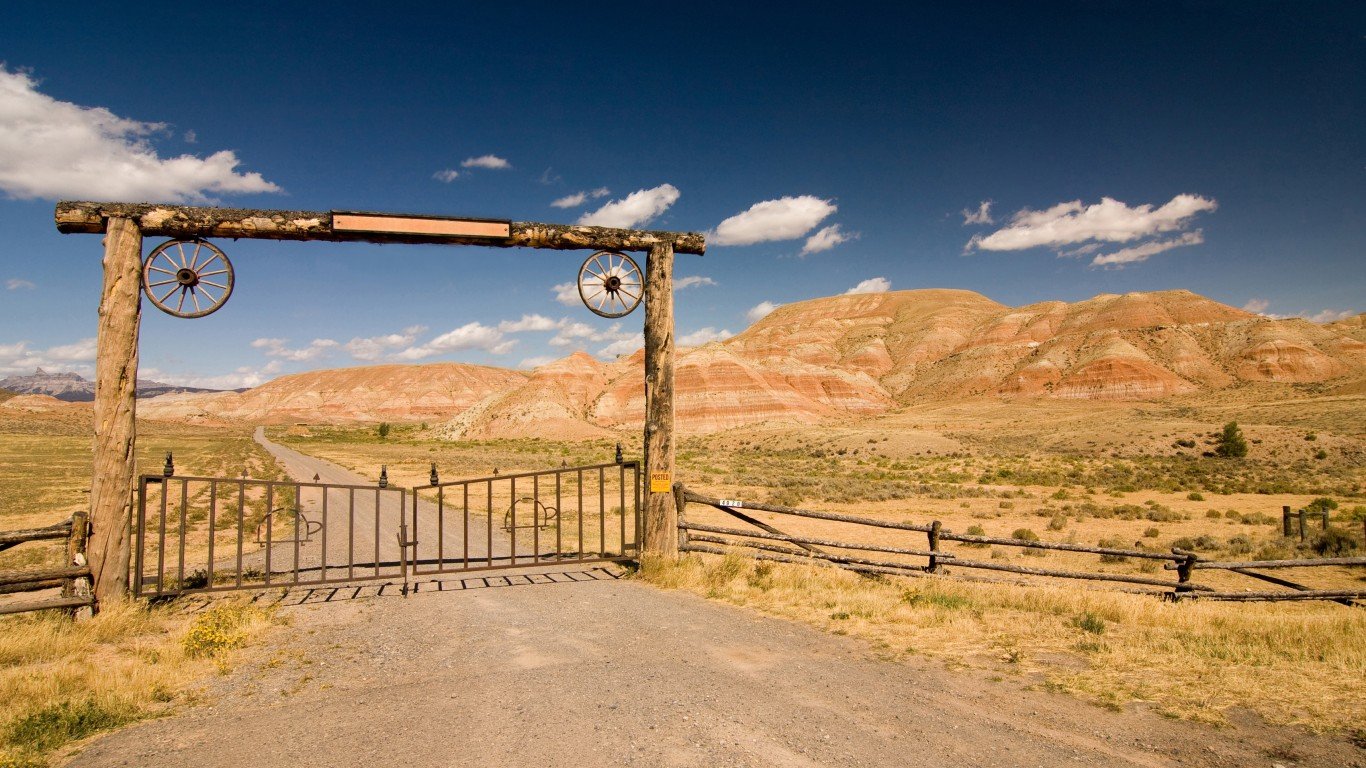
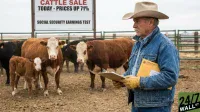
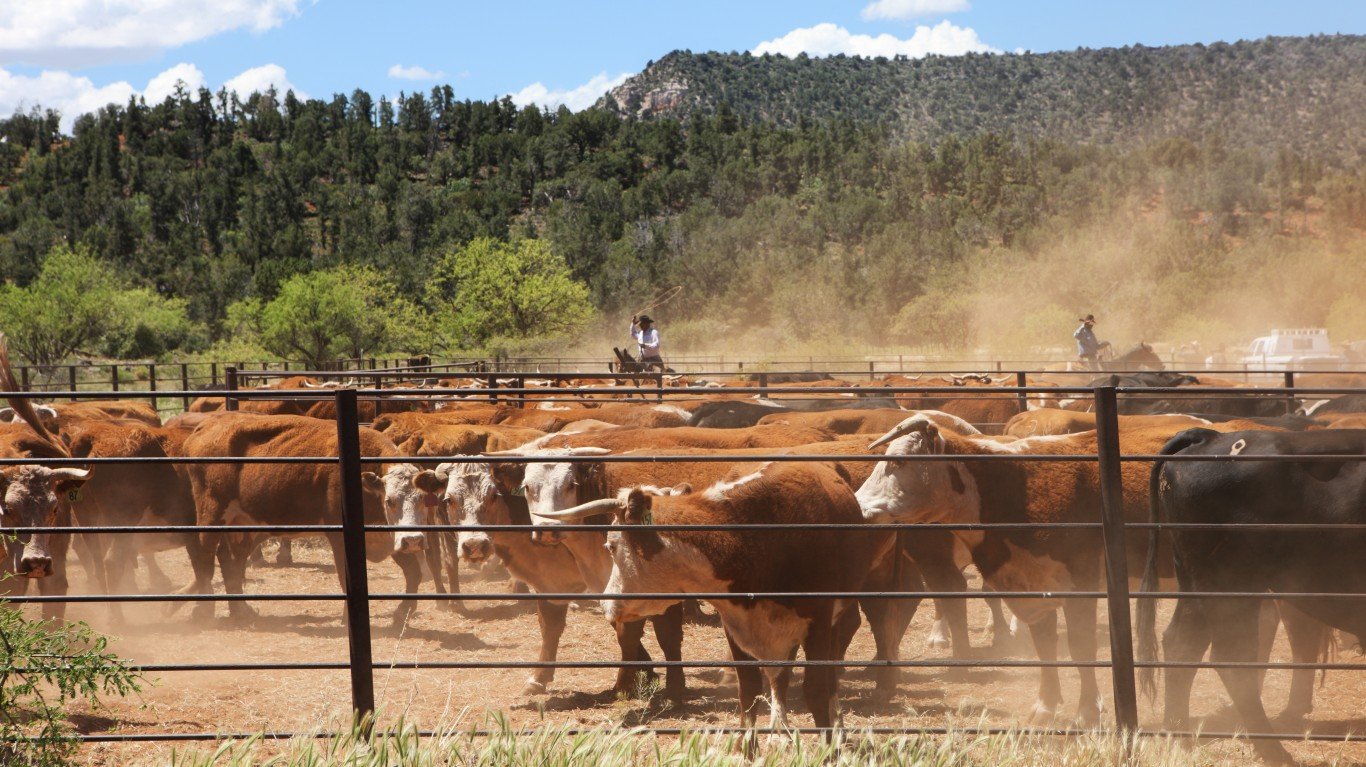
Drought has been responsible for the thinning of Wyoming herds. One rancher told Wyoming Public Media his operation had sold roughly 25% to 30% of its cows, and a livestock auction operator reported more bred cows and cow-calf pairs coming through the sale barn. Ranchers were still reporting early cattle sales more recently, amid drought, feed pressure and tight cattle supplies.
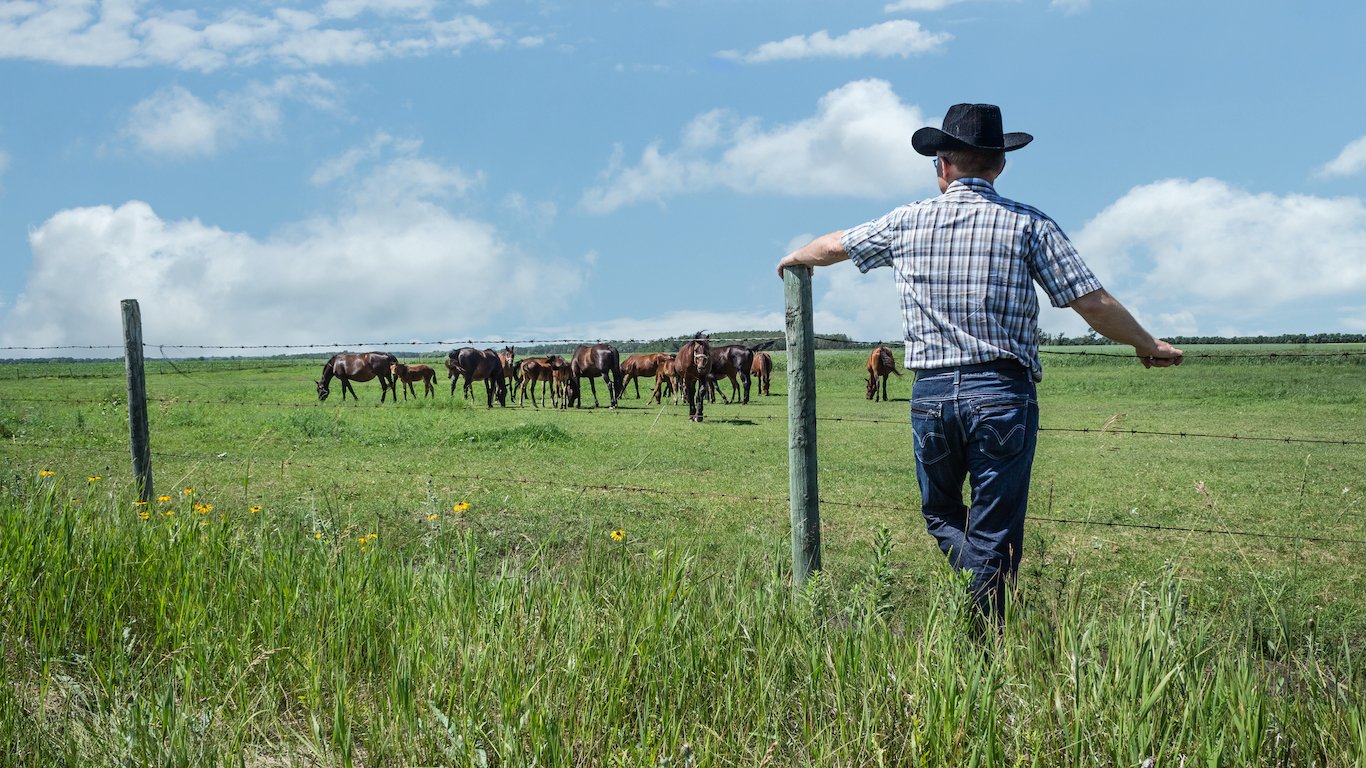
Imagine a 64-year-old rancher forced to haul 40 cows he kept for breeding to the sale barn due to thin grass and expensive hay. He already collects Social Security, so the auction check raises a question: Will Social Security cut his benefits because he suddenly made a lot of money?
If those cows were truly breeding stock, probably not.
Why He Kept Those Cows Decides Everything
At 64, he is younger than full retirement age (FRA), so Social Security’s earnings test applies to him. For 2026, the limit is $24,480. For every $2 in countable earnings above it, Social Security holds back $1 in benefits.
For a self-employed rancher, the earnings test generally looks at net earnings from operating the ranch. Social Security’s guidance for farmers says specifically that income from selling livestock not held for sale, such as dairy, breeding, sporting and work animals, should not be counted. The agency’s internal rules say the same thing: income from livestock held for dairy, work or breeding purposes cannot be included as self-employment income.
Breeding cows are productive assets, much like a baler. They exist to produce calves. Selling them works more like selling equipment than selling the year’s crop.
Two Checks From the Same Sale Barn Can Land Very Differently
Say his ranch produces $20,000 in net earnings this year. Then the drought sale happens.
Say the 40 breeding cows produce a $60,000 gain. If that gain counted as earnings, Social Security would hold back about $27,760 in benefits. Because the gain is excluded, his countable earnings remain below the limit and the cow sale does not trigger a withholding.
Now say he also sold extra calves he raised for market, adding $15,000 to his net earnings. Those calves are livestock raised for sale, so their net profit counts as self-employment earnings.
Same truck, same auction, same week, and two very different results.
Where Ranchers Get Tripped Up: Treating the Whole Herd Alike
This rule covers only certain kinds of animals. Calves and feeders raised to sell still count as earnings. Breeding, dairy and work animals are the ones left out.
That makes good bookkeeping essential. Calving records, the length of time he held each animal, and the way the sale appears on his tax return can help document which cows were breeding stock if Social Security asks.
Benefits withheld under the earnings test are not necessarily gone forever. When he reaches full retirement age, Social Security recomputes his benefit to account for months when payments were reduced or withheld. Still, getting the earnings figure right from the start keeps cash in his hands during a lean drought year (we wrote a free guide on the tax traps that catch people phasing out of work slowly, here).
His Tax Bill Still Sees the Sale
The IRS treats this sale separately from the Social Security earnings test. A sale of cattle held for breeding is generally reported on Form 4797 rather than Schedule F. The resulting gain can still enter his federal income-tax calculations and may make more of his Social Security taxable, even though it is excluded from his earnings-test total.
Selling cows now also means fewer calves next year, so his ranch earnings may fall and leave him well under the limit. The 2027 cost-of-living adjustment (COLA) is currently estimated at 3.5% to 3.6%, although the official figure has not yet been announced.
Three Things to Check Before Assuming the Worst
- What the animals were held for. Breeding stock and sale inventory follow different rules, and his records should show clearly which animals were which.
- What ends up as net self-employment earnings. That is the number Social Security uses for a self-employed rancher. The size of the sale barn check doesn’t decide it.
- Everything else he made. Wages and regular ranch income can still push him past the $24,480 limit even when the breeding-cow gain is excluded.
The drought may have pushed 40 cows off his pasture, but Social Security sorts the proceeds by why he owned the animals in the first place. It’s worth talking with a tax preparer who knows agriculture and calling Social Security before counting on any particular result.
Contact [email protected] for any questions or corrections.
Gerelyn Terzo is the author of dividend investing handbook "Dividend Investing Strategies: How to Have Your Cake & Eat It Too." A veteran financial journalist, she covers agri-finance for outlets like Global AgInvesting and the broader stock market and personal finance for 24/7 Wall Street. She began at CNBC and later helped launch Fox Business in New York. Gerelyn currently resides in Woodland Park, Colorado and dabbles in nature photography as a hobby.