Ground Beef Costs $6.79 a Pound. A Rancher’s Breeding-Cow Sale May Not Count Against His Social Security Earnings Limit
A retired rancher under full retirement age sold breeding cows for $40,000, and Social Security's earnings test may treat that check very differently than a calf sale would. The distinction comes down to the job each animal held on the…

This post may contain links from our sponsors and affiliates, and Flywheel Publishing may receive compensation for actions taken through them.

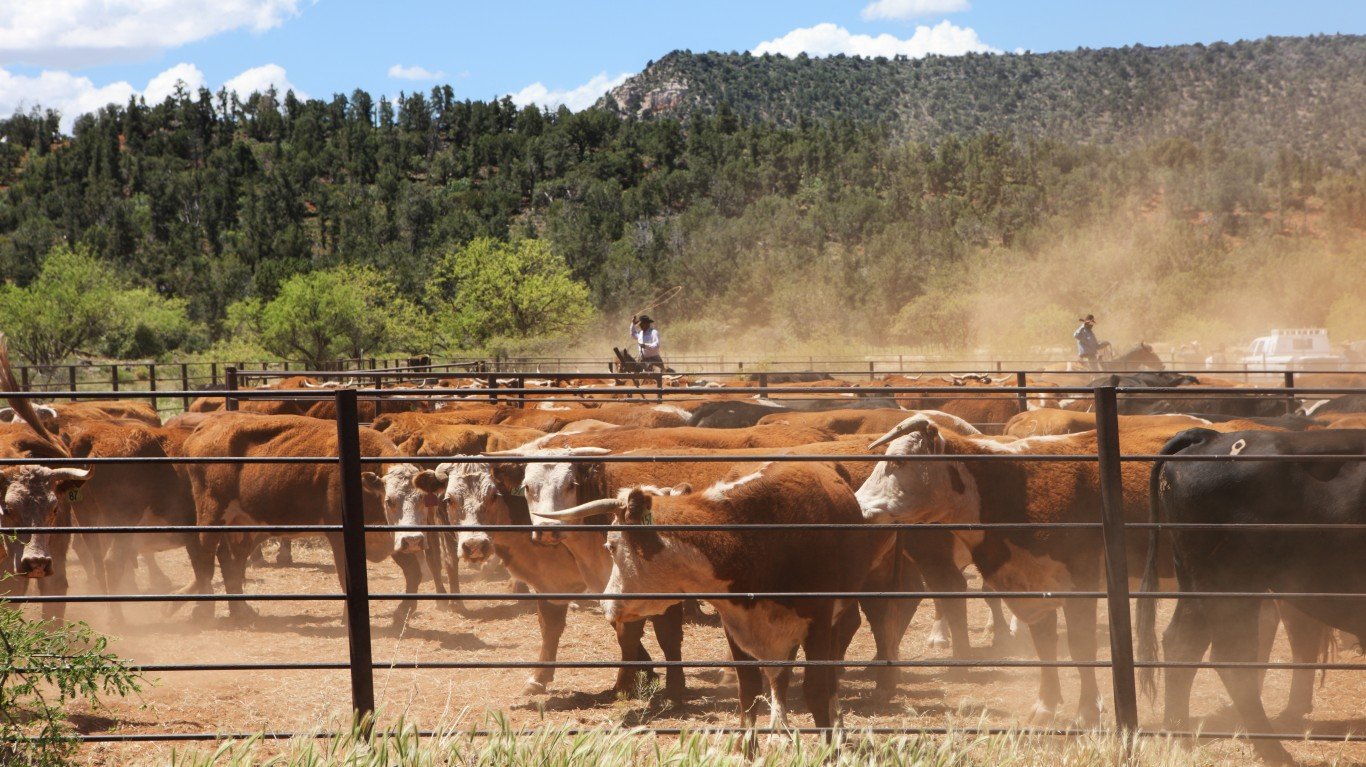
Ground beef is still expensive at the grocery store. Bureau of Labor Statistics data released October 14 show an average price of $6.79 a pound in September, down from $6.92 in August. Ranchers have their own worries, with tight herds and volatile markets complicating the outlook for cattle producers, according to an October 20 NPR report.
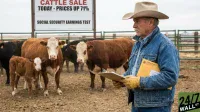
Now take a retired rancher who hasn’t reached full retirement age (FRA) and already collects Social Security. He’s reducing the herd and selling cows he kept for years to raise calves. The check comes to $40,000. His first worry is that Social Security will hold back his benefits because the check is bigger than the earnings limit. Under the right facts, it won’t.
Breeding Cows and Sale Calves Fall Into Different Buckets
Social Security’s earnings test only applies to beneficiaries below FRA. It counts income from work: wages, or net profit from self-employment. Earn more than the annual limit and the agency holds back part of your benefits. Once you reach FRA, Social Security recalculates your benefit to account for months when payments were withheld.
For ranchers, what matters is the job the animal did. The Social Security Administration’s Guide for Farmers, Growers, and Crew Leaders, its plain-language booklet on farm income, tells farmers to leave out income from selling livestock that wasn’t held for sale, such as dairy, breeding, sporting and work animals, when they figure net earnings for Social Security. The agency’s internal operating manual says the same thing.
A breeding cow works more like equipment. She produced the calves, and selling her looks a lot like selling a used baler. Calves and feeder steers raised to sell are the product, and those sales usually count.
A $40,000 Check Social Security May Leave Out
In 2026, the earnings limit is $24,480 for beneficiaries who remain below FRA all year. If the $40,000 came from qualifying breeding cows, none of that sale counts toward the limit. Other wages and net ranch earnings still count.
Change one fact and the result flips. If the same cash came from calves he raised as ordinary inventory, the sale would go into his farm profit, which counts as self-employment earnings. That figure is profit, so feed, fuel, vet bills and other expenses come off first. In a good year, though, inventory sales can push his earnings over the limit and start the withholding.
Income Tax Keeps a Separate Scorecard
Leaving the sale out of the earnings test does nothing for his income tax bill. The sale still goes on his tax return.
IRS Publication 544 explains that cattle kept for breeding for at least two years can qualify for long-term capital-gain treatment when sold. A shorter holding period can change the income-tax result, even though the breeding-cattle sale remains outside Social Security’s earnings test. Depreciation claimed on purchased cattle can also leave part of the gain taxed as ordinary income.
Basis matters too. Basis is about what the animal cost him for tax purposes. Cows he raised himself often have little or no basis, so most of the check can end up as taxable gain.
That gain can also increase the taxes on his Social Security benefits.
Paperwork That Protects the Cattle Check
Whether an animal was held for breeding depends on the facts, and the rancher has to prove them. Birth records, herd books, purchase receipts and the date each cow joined the herd make the case that she was breeding stock.
Before the trailer leaves, have a farm tax adviser sort out which animals are breeding stock and which are sale inventory. The adviser can also look at whether the sale fits better in a year when his other income is low. Herds and tax returns differ from ranch to ranch, and one wrong label on a sale sheet can change both his Social Security withholding and his tax bill.
Contact [email protected] for any questions or corrections.
Gerelyn Terzo is the author of dividend investing handbook "Dividend Investing Strategies: How to Have Your Cake & Eat It Too." A veteran financial journalist, she covers agri-finance for outlets like Global AgInvesting and the broader stock market and personal finance for 24/7 Wall Street. She began at CNBC and later helped launch Fox Business in New York. Gerelyn currently resides in Woodland Park, Colorado and dabbles in nature photography as a hobby.