U.S. Cattle Supplies Are at a 75-Year Low. At 63, Federal Disaster Aid for a Lost Herd Can Still Count Against Social Security.
A federal check replacing dead cattle sounds like relief, but for a rancher already collecting Social Security at 63, the government's own disaster aid can quietly reach into his retirement benefit through a tax classification most producers never see coming.

This post may contain links from our sponsors and affiliates, and Flywheel Publishing may receive compensation for actions taken through them.
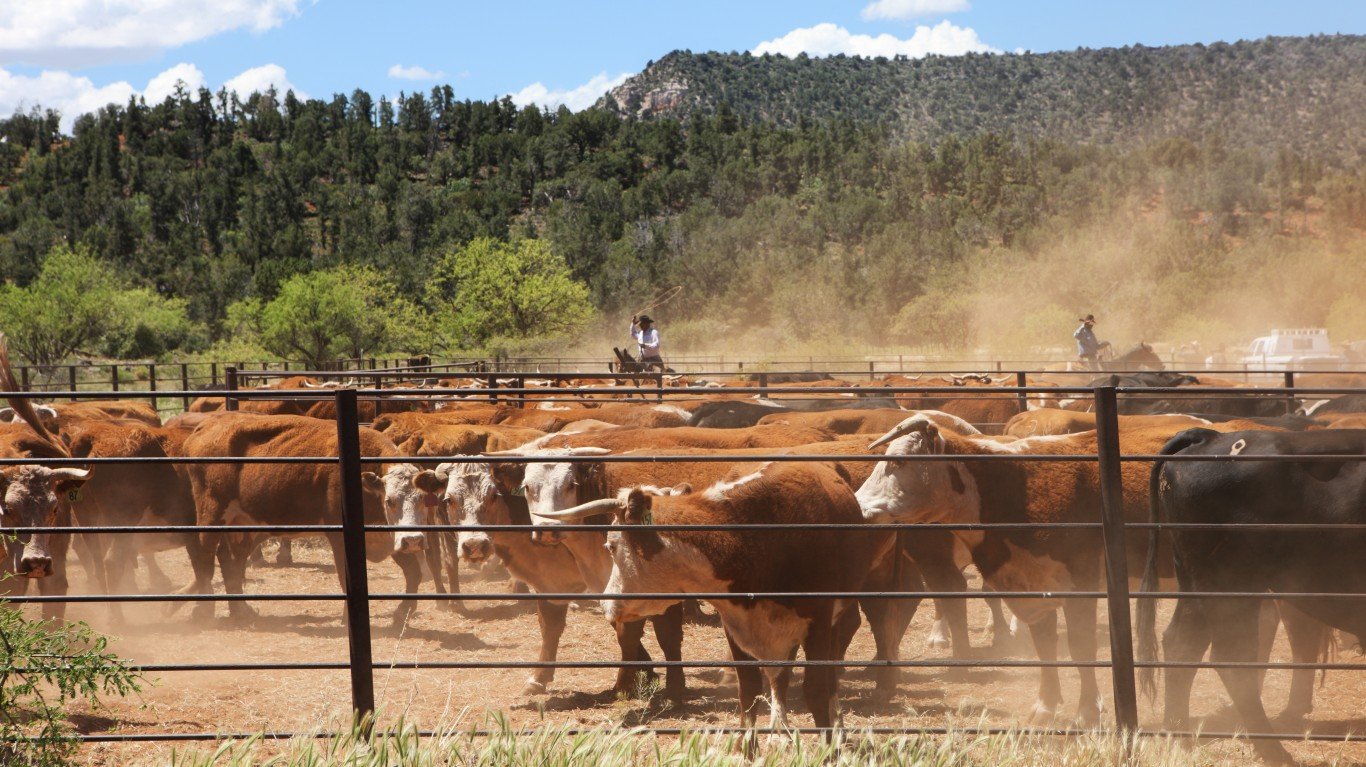
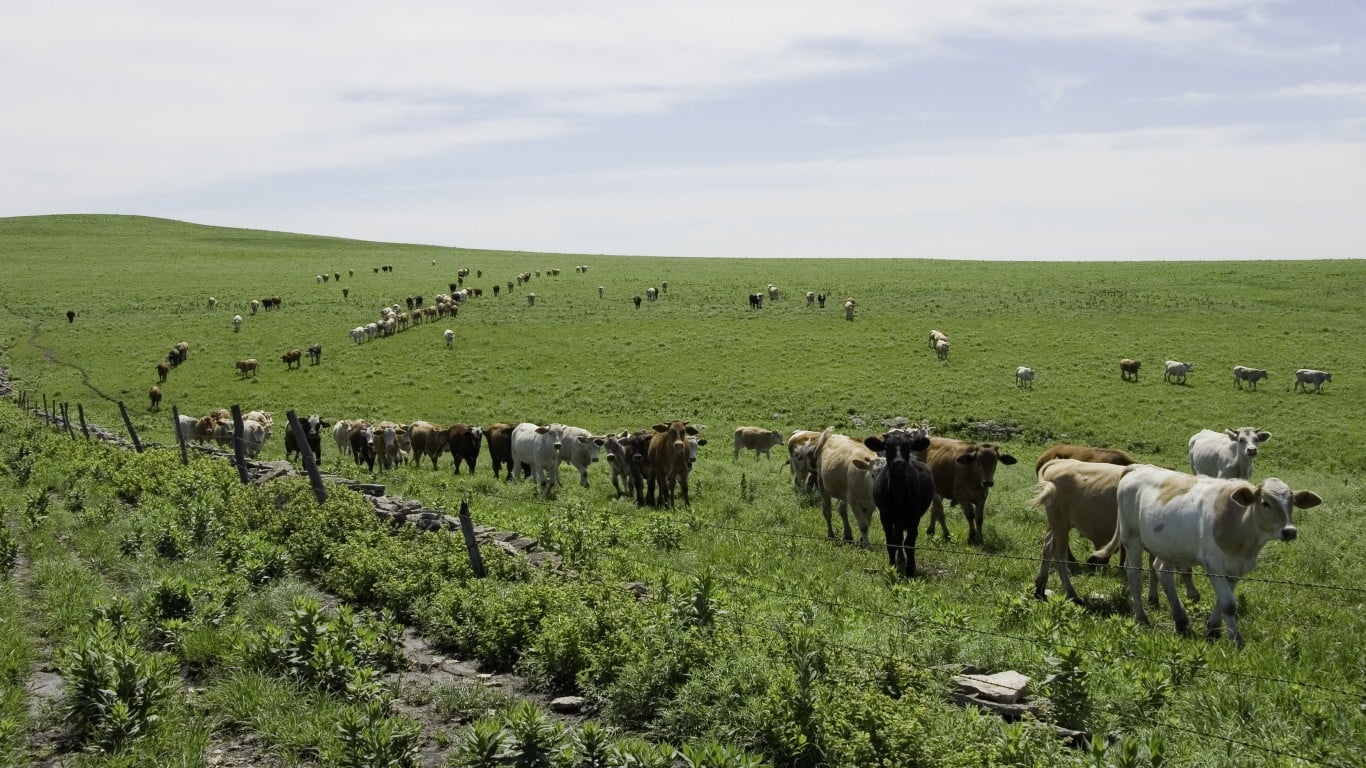
America’s cattle supply is the smallest it has been in roughly 75 years. Drought, wildfire and years of herd liquidation have made every breeding cow harder to replace, while record beef prices show how tight supplies have become. That makes a disaster loss especially painful for an older rancher.
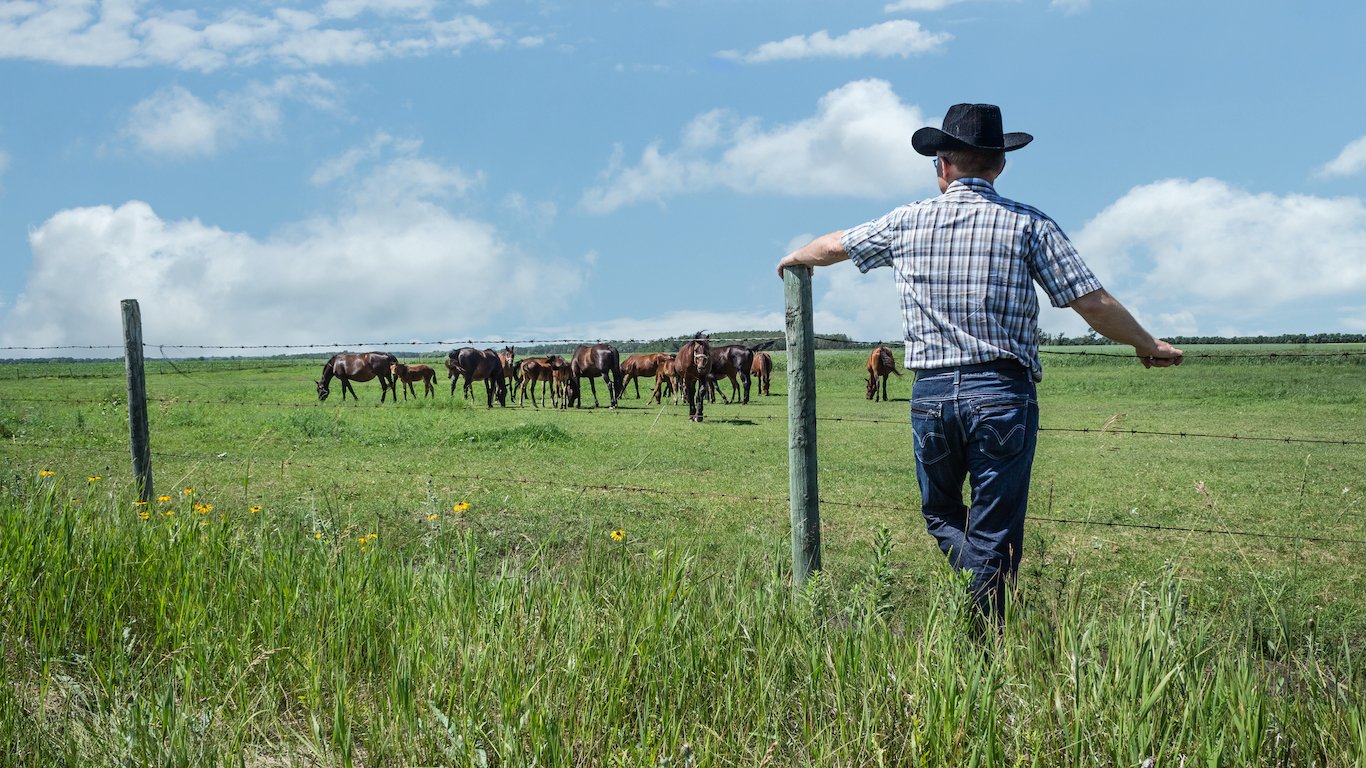
Picture a 63-year-old who has already started Social Security but still runs cattle. A wildfire, flood or other qualifying event kills part of the herd. The U.S. Department of Agriculture’s Livestock Indemnity Program (LIP) can help replace some of the value that disappeared. For most eligible livestock losses, the program generally pays 75% of the government’s determined market value.
Beginning in 2026, producers can also submit documentation showing that regional prices were higher than the national average, and the program has expanded to cover certain unborn livestock losses. The surprise comes later. The government calls the check disaster assistance. The tax return can still call it farm income. And Social Security may count the resulting net earnings against an early claimant.
Relief Can Still Be Income
The IRS generally requires livestock indemnity payments and many other agricultural program payments to be reported as farm income on Schedule F. That distinction matters at 63.
Someone collecting retirement benefits before full retirement age (FRA) remains subject to Social Security’s retirement earnings test. In 2026, a person under FRA for the entire year can earn $24,480 before Social Security begins withholding $1 in benefits for every $2 above the limit. For a self-employed rancher, Social Security looks at net earnings from the business, not simply the amount deposited into his checking account.
So a federal payment received because cattle died can still become part of the farm-income calculation if he remains actively operating the ranch. That feels backwards. The check is replacing a loss, not rewarding a good year. Social Security is looking at how the income is classified.
Seventy-Five Percent Is Not Whole
The indemnity program also does not necessarily replace everything the rancher lost. For most covered losses, LIP pays 75% of determined market value. A rancher may therefore lose cattle that would cost substantially more to replace than the federal payment provides.
The 2026 changes help. Producers can now document qualifying regional price premiums when local livestock values exceed USDA’s national averages. Predation by certain federally protected animals can qualify for 100% of determined market value, while most other eligible losses remain at 75%. But even a better federal payment does not change the Social Security question. A rancher can receive less than the economic value of what he lost and still have enough net farm earnings for the year to affect his retirement check.
Retirement Can Change the Answer
There is an important exception for farmers who truly have stopped working. Social Security has special-payment rules for income received after retirement that was earned through substantial self-employment services performed before benefits began. The agency specifically lists farm agricultural program payments among payments that can qualify. That creates two very different ranchers.
One is 63, collecting Social Security and still actively running cattle when disaster strikes. The indemnity payment can flow through the farm operation and potentially affect the earnings test. The other has already stopped providing substantial services and later receives a qualifying agricultural payment tied to activity before retirement. Social Security may exclude that payment from the annual earnings limit. Same federal program. Very different retirement result.
The Ranch Has Two Ledgers
For an older producer, three details deserve attention after a livestock loss:
- Document what was lost and why. LIP eligibility depends on the livestock, cause of loss and supporting records.
- Track the payment through the farm return. The amount of the government check is not necessarily the amount that ultimately becomes net self-employment earnings.
- Separate current ranching from pre-retirement activity. A payment that qualifies under Social Security’s special-payment rules may receive different treatment from income generated while the rancher is still actively working.
Federal disaster aid can soften the loss of a herd. At 63, whether Social Security sees that check as part of the work he is still doing can determine whether the loss reaches his retirement benefit too.
Contact [email protected] for any questions or corrections.
Gerelyn Terzo is the author of dividend investing handbook "Dividend Investing Strategies: How to Have Your Cake & Eat It Too." A veteran financial journalist, she covers agri-finance for outlets like Global AgInvesting and the broader stock market and personal finance for 24/7 Wall Street. She began at CNBC and later helped launch Fox Business in New York. Gerelyn currently resides in Woodland Park, Colorado and dabbles in nature photography as a hobby.