Lancaster, Pennsylvania, Has Amish Farm Stands and a State That Won’t Tax Your Pension. What It Takes to Retire There at 66 on $850,000

This post may contain links from our sponsors and affiliates, and Flywheel Publishing may receive compensation for actions taken through them.
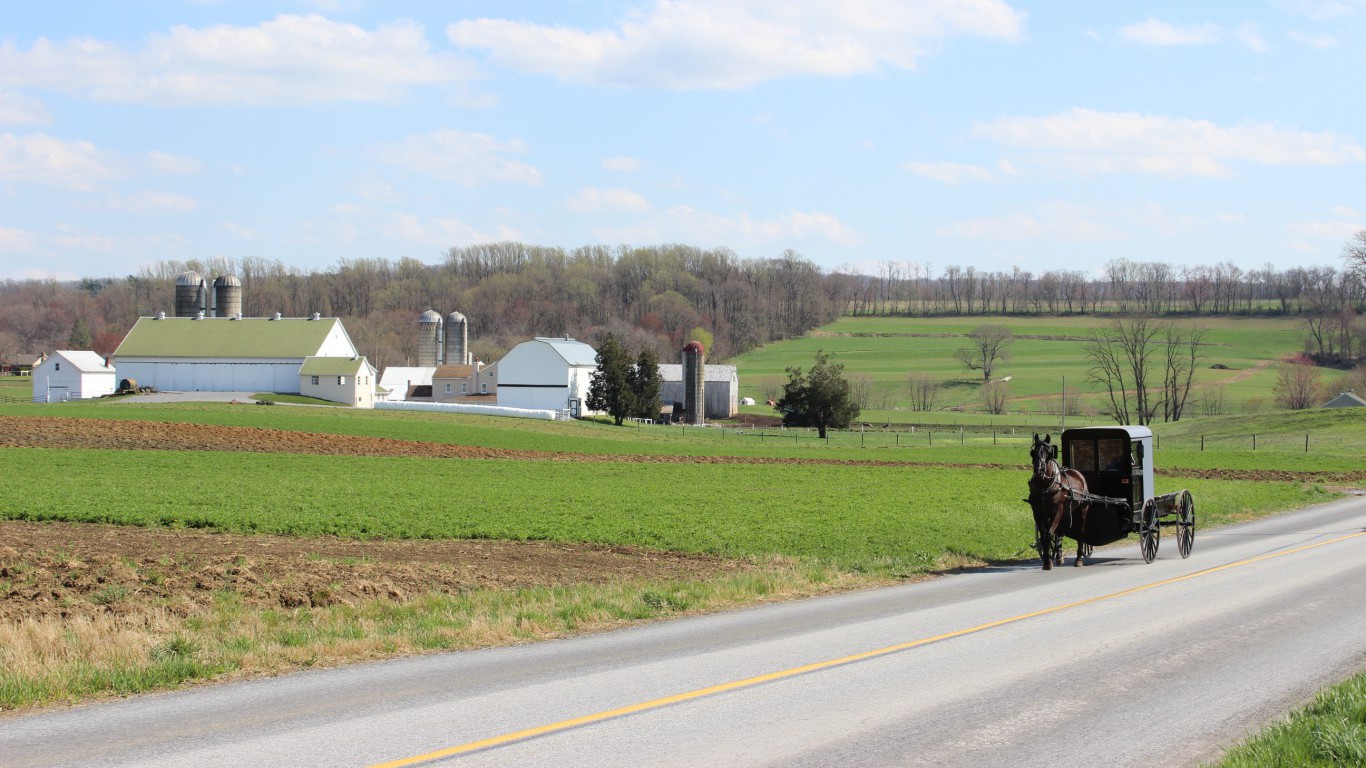
What does it really cost to retire in Lancaster County, Pennsylvania, and can a mid-sized nest egg cover it without running short? Below is how the numbers work for a 66-year-old couple with $850,000 saved.
A State Tax Rule That Does Much of the Work
Pennsylvania fully exempts Social Security, 401(k) and IRA withdrawals, and pension income from state income tax for retirees. The state Department of Revenue says a Roth IRA distribution isn’t taxable under Pennsylvania personal income tax law if you are at least 59½ and the account counts as an eligible retirement plan.
Withdrawals from employer plans generally qualify once the account holder has retired after meeting the plan’s age or service conditions. Interest, dividends, and capital gains in a regular brokerage account are still taxed at the state’s flat rate, so the exemption helps most with money held inside retirement accounts.
Property Taxes and Housing Drive the Budget
Lancaster County’s median sold price recently came in at $350,000, up 4.5% from a year earlier. In the Federal Housing Finance Agency’s index, Lancaster metro prices are up 6.25%[1] over one year and 54.04% over five. Pennsylvania’s cost-of-living index is 97.572, compared with a national average of 100.
Property tax is a high recurring cost for Lancaster County homeowners. The county’s average effective rate is about 1.17%, or roughly $4,095 a year on a median-priced house. School districts set most of that bill, and it grows with their budgets regardless of the owner’s age. This budget assumes the couple owns that house outright with proceeds from a prior home. It also uses the 2027 Part B premium of $209.40[2] per person per month, a Plan G Medigap average of $220 per month at 65, and the USDA moderate food plan of about $777 per month for two adults.
| Annual Expense | Amount |
|---|---|
| Property tax | $4,095 |
| Insurance and maintenance (1.5% of value) | $5,250 |
| Medicare Part B, two people | $5,026 |
| Medigap Plan G, two people | $5,280 |
| Part D, dental, out-of-pocket care | $4,000 |
| Food | $9,322 |
| Utilities and phone | $5,000 |
| Car costs and replacement fund | $9,000 |
| Personal spending, travel and gifts | $12,000 |
| Emergency reserve | $3,000 |
| Federal income tax buffer | $1,000 |
| Total | $62,973 |
How $850,000 and Social Security Close the Gap
The SSA projects the average aged couple will collect $3,355 a month in Social Security in 2027, or $40,260 a year. That leaves the portfolio to cover about $22,713, a withdrawal rate of roughly 2.7%. At a 4% draw, the portfolio would pay out $34,000, total income would reach about $74,260, and that would leave around $11,287 of surplus. Those benefit figures already include the 3.6% COLA for 2027.
The picture tightens if only one spouse draws a benefit near the projected 2027 retired-worker average of $2,179 a month. In that case, the withdrawal rate rises to about 4.3%. Anyone turning 66 in 2026 has a full retirement age of 67, so claiming now cuts the check for good. If the higher earner waits until 70, the monthly benefit is larger, and so is the benefit available to a surviving spouse.
A Roth Conversion Window Pennsylvania Leaves Wide Open
Pennsylvania doesn’t tax IRA withdrawals for retirees, so converting traditional IRA money to a Roth costs only federal tax. Someone born in 1960 must start taking RMDs at 75, with the first RMD year in 2035. On this budget, taxable income stays low, leaving room in the lower federal brackets for annual conversions (those quiet years between the last paycheck and the first RMD are the subject of our free Roth window guide: here).
Joint income can go up to $224,000[2] before Medicare’s IRMAA surcharges start. Smaller RMDs later can mean a smaller share of Social Security benefits gets taxed. They also help a surviving spouse, who files single and hits IRMAA at $112,000[2].
What It Takes to Make Lancaster Work at 66
The plan in this example rests on these pieces: $850,000 in retirement accounts, a paid-off home near the county median, two average Social Security checks, and a budget near $63,000. At a withdrawal rate under 3%, the portfolio draw is below the 4% level used above. The margin shrinks with a mortgage, a single benefit, or a high-mileage school district. Roth conversions carry no Pennsylvania state tax in the years before RMDs begin in 2035.
Contact [email protected] for any questions or corrections.
David Beren has been a Flywheel Publishing contributor since 2022. Writing for 24/7 Wall St. since 2023, David loves to write about topics of all shapes and sizes. As a technology expert, David focuses heavily on consumer electronics brands, automobiles, and general technology. He has previously written for LifeWire, formerly About.com. As a part-time freelance writer, David’s “day job” has been working on and leading social media for multiple Fortune 100 brands. David loves the flexibility of this field and its ability to reach customers exactly where they like to spend their time. Additionally, David previously published his own blog, TmoNews.com, which reached 3 million readers in its first year. In addition to freelance and social media work, David loves to spend time with his family and children and relive the glory days of video game consoles by playing any retro game console he can get his hands on.