At 67 With $900,000, He’ll Downsize to a Condo. The Building’s Reserve Fund Can Matter More Than the Price

This post may contain links from our sponsors and affiliates, and Flywheel Publishing may receive compensation for actions taken through them.

He’s 67[1], finished with mowing and gutter cleaning, and he’s found a two-bedroom condo at a price that feels fair. On the kitchen table sits a stack of association documents: budgets, a reserve study, and a year of board minutes. He’s tempted to skim them and sign. With about $900,000[1] to his name, the purchase price feels like the number that matters. For a retiree living off savings, the building’s reserve fund can end up mattering more.
Downsizing is a common move for this age group. Americans aged 55 to 69[1] hold 41% of household net worth, and a lot of that sits in houses they eventually trade for something smaller. The relief of less upkeep is real. The risk is trading a roof you control for one you share with a board.
What a Reserve Fund Pays For, and What Happens When It Runs Short
A reserve fund is the association’s savings account for big, predictable renewals: roofs, elevators, plumbing, facades, and parking structures. A reserve study estimates when each item wears out and how much the building should set aside every year to cover it.
When owners vote to keep monthly fees low and skip those contributions, the bill gets deferred. It shows up later as a special assessment, a lump sum charged to every owner, or as a steep jump in monthly dues. A younger buyer can take in that with future paychecks, while at 67 it comes out of a portfolio that has to last the rest of his life.
Florida Shows How Large the Bills Can Get
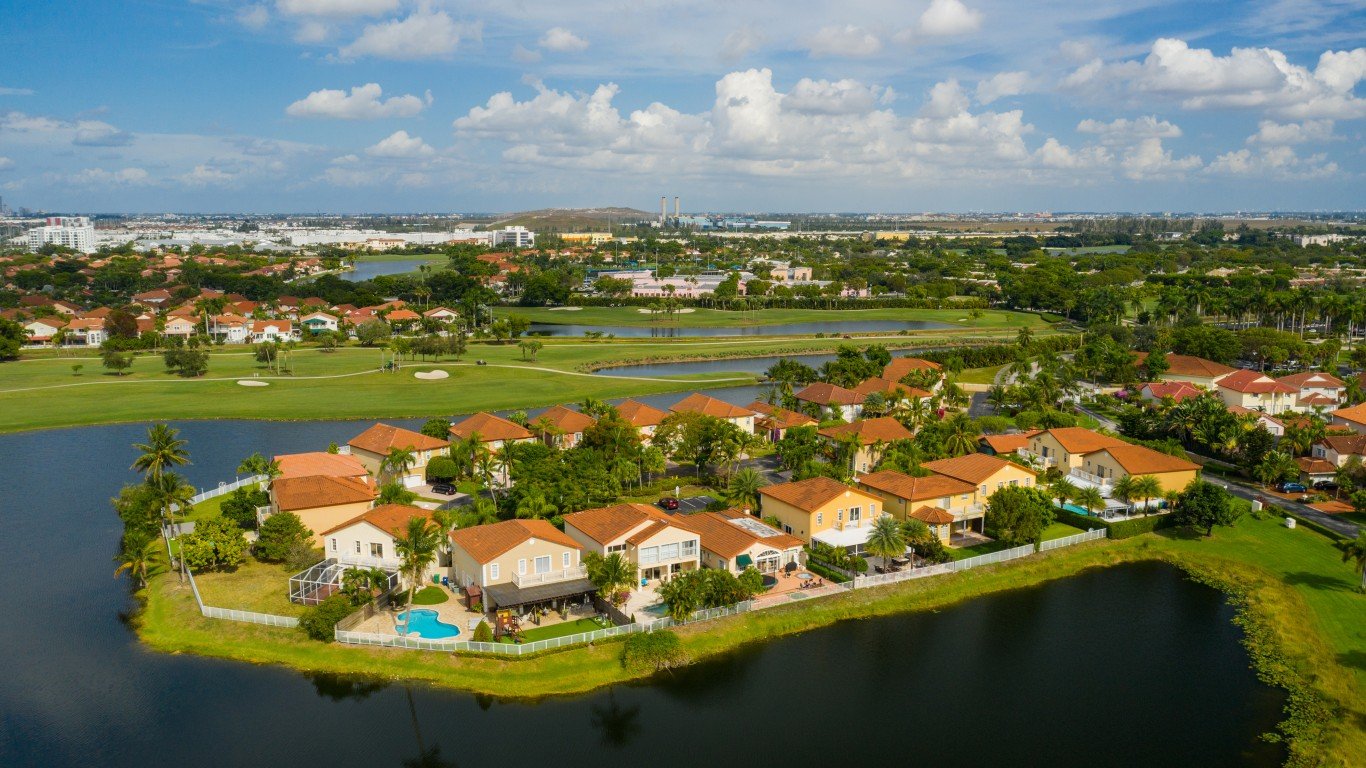
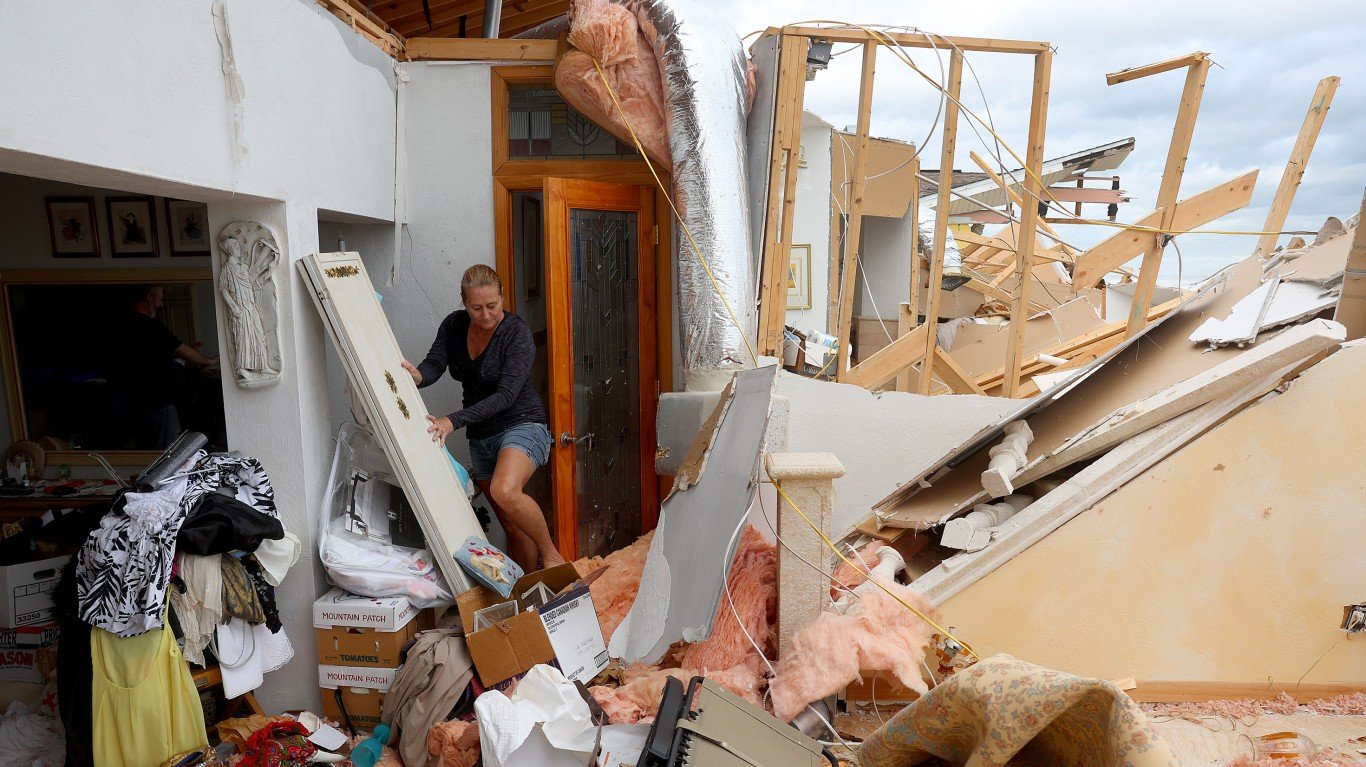
After the Surfside collapse in 2021, Florida passed Senate Bill 4-D. The law requires milestone inspections for condos at least three stories tall once they reach 30 years old, plus structural integrity reserve studies. Some owners in older South Florida buildings then received six-figure special assessments and listed their units. One report described a building where two-bedroom units sold for between $400,000 and $500,000 while owners faced $140,000 each in assessments. The state later moved to delay certain requirements to ease costs, but the underlying repairs still have to be paid for.
How a Surprise Assessment Hits a $900,000 Retiree
Where the money comes from matters as much as the amount, because if he pays an assessment by taking out extra from an IRA, that withdrawal is taxable income. For a single filer, 2027 Medicare Part B costs $209 a month if their 2025 modified adjusted gross income was $112,00 or less. Above that, the premium rises to $293[2], and above $141,000, it reaches $419.
The senior deduction of $6,000 also starts phasing out once a single filer’s modified AGI passes $75,000. One large withdrawal can cost him the bill itself, extra tax, and higher Medicare premiums (we mapped out the IRMAA surcharges and other surprise bills in a free Medicare guide).
The house sale is usually the easier part. A single seller can exclude up to $250,000 of gain on a primary residence, or $500,000 for qualifying joint filers. If he qualifies for the exclusion and his gain stays within the $250,000 limit, the sale proceeds can fund a cash cushion without capital-gains tax.
Weak Reserves Can Trap Your Equity
Fannie Mae will not purchase or securitize loans on units in certain ineligible condo projects, and a building flagged as unavailable can block financing and hurt values. Even if he pays cash, his future buyer, or his heirs’ buyer, will probably need a mortgage, so an underfunded building can be harder to sell exactly when he wants out.
Documents to Request Before You Sign
- The latest reserve study. Compare the contribution it recommends with what the budget actually puts aside. A wide gap means someone pays later, possibly you.
- Recent budgets. Look at how fees have moved and whether the reserve line was cut to hold dues flat.
- Board meeting minutes. Talk of leaks, engineering reports, or “funding options” usually shows up here long before an assessment is announced.
- Pending repairs and lawsuits. Ask about planned projects, inspection findings, and litigation involving the association. Lenders and future buyers will ask too.
- The master insurance policy. Check what it covers, the deductible owners could share, and how fast premiums have risen.
What to Settle Before Negotiating the Price
For a retiree buying a condo, the reserve study is worth reading before talking terms price. A building with thin reserves and an old roof carries a future bill, and that bill belongs in your offer. A slightly pricier unit in a well-funded building often costs less over a decade.
A cash cushion, ideally from tax-free house sale proceeds, can keep an assessment from forcing a large IRA withdrawal that raises taxes and Medicare premiums. Many buyers err by choosing the building with the lowest monthly fee. Low dues often mean the board has been putting off the bills.
Contact [email protected] for any questions or corrections.
David Beren has been a Flywheel Publishing contributor since 2022. Writing for 24/7 Wall St. since 2023, David loves to write about topics of all shapes and sizes. As a technology expert, David focuses heavily on consumer electronics brands, automobiles, and general technology. He has previously written for LifeWire, formerly About.com. As a part-time freelance writer, David’s “day job” has been working on and leading social media for multiple Fortune 100 brands. David loves the flexibility of this field and its ability to reach customers exactly where they like to spend their time. Additionally, David previously published his own blog, TmoNews.com, which reached 3 million readers in its first year. In addition to freelance and social media work, David loves to spend time with his family and children and relive the glory days of video game consoles by playing any retro game console he can get his hands on.