Oregon Hazelnut Prices Rebounded More Than 60%. At 63, a Bumper Crop Can Zero His Social Security Check for Over a Year.
A bumper hazelnut harvest can save a struggling orchard, but for a 63-year-old grower still collecting Social Security, one great season triggers a federal rule that most farmers never see coming until the checks stop arriving.

This post may contain links from our sponsors and affiliates, and Flywheel Publishing may receive compensation for actions taken through them.
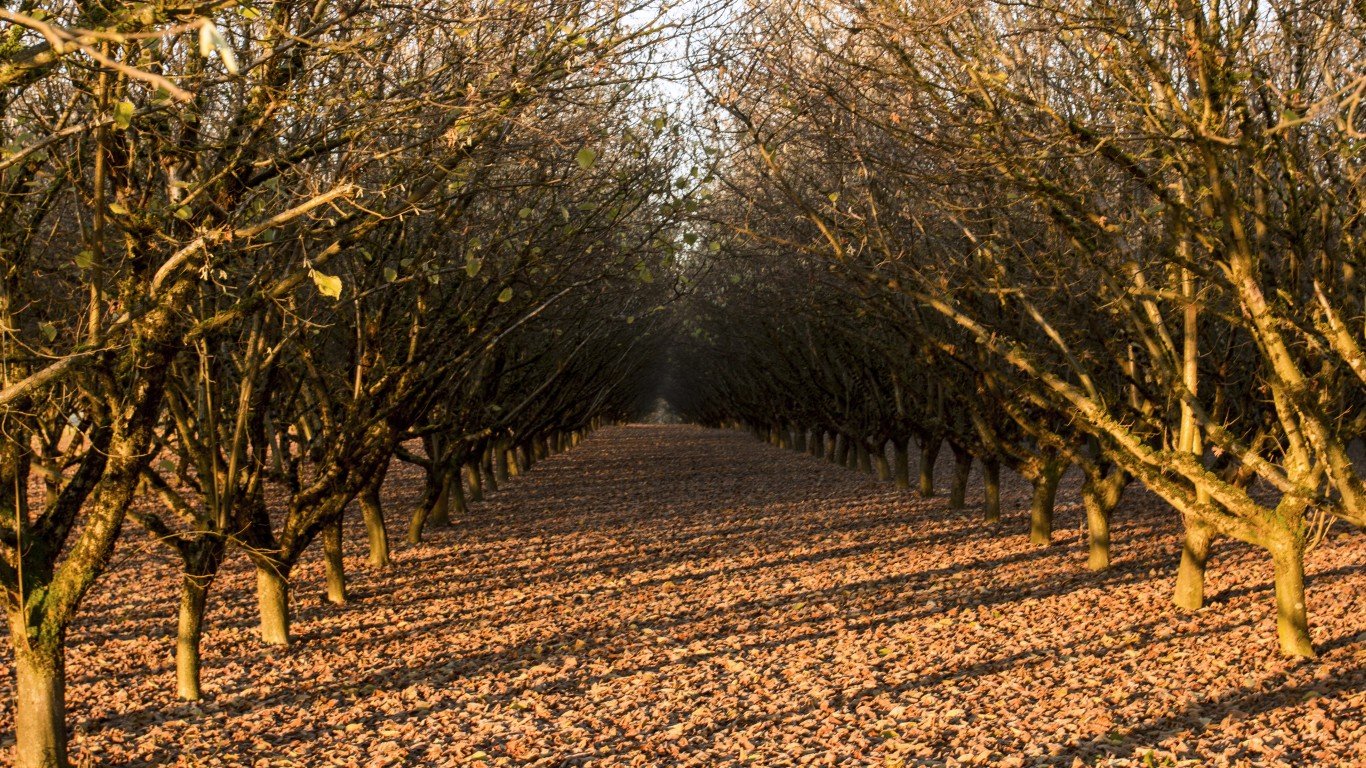
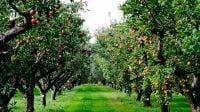
Picture a hazelnut grower in the Willamette Valley, 63 years old, watching the field price climb after thin years. Oregon hazelnut prices rebounded 67% last season, to $2,800 a ton, and a decent crop suddenly means taxable income that dwarfs the last three seasons combined. He filed for Social Security at 62, still runs the orchard full time, and now the spike lands in one calendar year even though the trees have been carrying the debt of several.
Growers in this spot ask the same question online every fall: can a good year get spread out so it doesn’t wreck the tax return, and does the same trick work with Social Security? The tax code and the Social Security Administration give two very different answers.
Retirement Earnings Test
Schedule J lets a qualifying farmer calculate income tax by averaging elected farm income across the previous three years. A 2026 windfall can be dropped into 2023, 2024, and 2025 brackets, which often keeps a slice of the crop check out of higher marginal rates and softens the total federal bill. It is a real tool, and for a bumper year it can be worth thousands.
The catch is buried in the federal regulations: the Schedule J election leaves net earnings from self-employment exactly where they were. The Social Security Administration still counts the full 2026 crop in 2026’s earnings, however the 1040 spreads it. Averaging happens on the tax return only.
That matters at 63 because the retirement earnings test is still active. In 2026, someone below full retirement age can earn $24,480 before Social Security starts withholding benefits, with $1 in benefits held back for every $2 above the limit. Full retirement age is 67 for anyone born in 1960 or later, so a 63-year-old is four years short of the point where the test disappears.
Put numbers on it: suppose the farm nets about $84,000 in self-employment income this year. That is roughly $59,500 over the limit, enough excess to swallow every check in the calendar year. If the monthly benefit is $1,800, all 12 payments stop, and the leftover excess simply expires, because the test collects from one year at a time. Schedule J might trim the federal tax bill on that same income, and those withheld checks stay parked until full retirement age. The catch is that the orchard is still running in 2027, and next year’s test starts fresh.
Where It Collides With the Rest of Retirement
Two other pieces move at the same time. A large Schedule F year pushes combined income well past the taxability thresholds, so up to 85% of the Social Security benefits actually paid become taxable. Averaging helps the marginal rate while leaving the taxability line untouched, because the taxable-benefits calculation looks at current-year benefits against current-year income.
The withheld benefits eventually return. At full retirement age, the Social Security Administration recalculates the monthly check, removing the early-filing reduction for every month a benefit was fully withheld. It softens the sting of early filing, and the cash-flow gap in the harvest year is real, best planned for with orchard operating cash rather than a future adjustment.
The test also reads the calendar differently than the orchard does. What counts is net earnings from self-employment for the year, and for a farmer that number arrives in one lump when the crop check settles, no matter that the trees spent three seasons producing it. A grower who scales back and leases the ground to a neighbor lands somewhere else entirely: rental income from farmland is excluded from the earnings test as long as he stops materially participating in the operation. Same acres, same trees, and a different answer from the Social Security Administration.
Put the Crop Check Beside the Social Security Calendar
Before the payment settles, three details deserve a look:
- Add up net self-employment income for 2026. That figure — the one after expenses, before any Schedule J averaging — is the number the earnings test actually reads against the $24,480 limit.
- Time the deductible expenses. Prepaying inputs, accelerating equipment purchases, or funding a SEP-IRA pulls down this year’s net, and it is the only lever that moves the Social Security side of the equation.
- Model the full year through harvest. Schedule J is decided at tax time, and the earnings-test damage is already baked in by then. A fall conversation with a farm accountant, before the payment settles, is worth more than the same conversation in March.
Working through retirement carries its own set of tax traps beyond the earnings test, and we walked through the big ones in a free semi-retirement guide here. Oregon’s orchards just delivered the payday the lean years were owed. For a 63-year-old grower, the trees keep their books over decades. Social Security closes its books every December, and the smart move is knowing which ledger the crop check lands in.
Contact [email protected] for any questions or corrections.
Gerelyn Terzo is the author of dividend investing handbook "Dividend Investing Strategies: How to Have Your Cake & Eat It Too." A veteran financial journalist, she covers agri-finance for outlets like Global AgInvesting and the broader stock market and personal finance for 24/7 Wall Street. She began at CNBC and later helped launch Fox Business in New York. Gerelyn currently resides in Woodland Park, Colorado and dabbles in nature photography as a hobby.