The Fire Closed His Photography Studio at 63. Social Security Counted the Canceled Weddings, Not the Burned Cameras.
When a fire destroys a photography studio, two insurance checks arrive from the same policy covering the same disaster. Social Security treats them as entirely different kinds of money, and the distinction can quietly drain months of retirement benefits.

This post may contain links from our sponsors and affiliates, and Flywheel Publishing may receive compensation for actions taken through them.
A Fire, an Insurance Check, and a Very Nervous Retiree
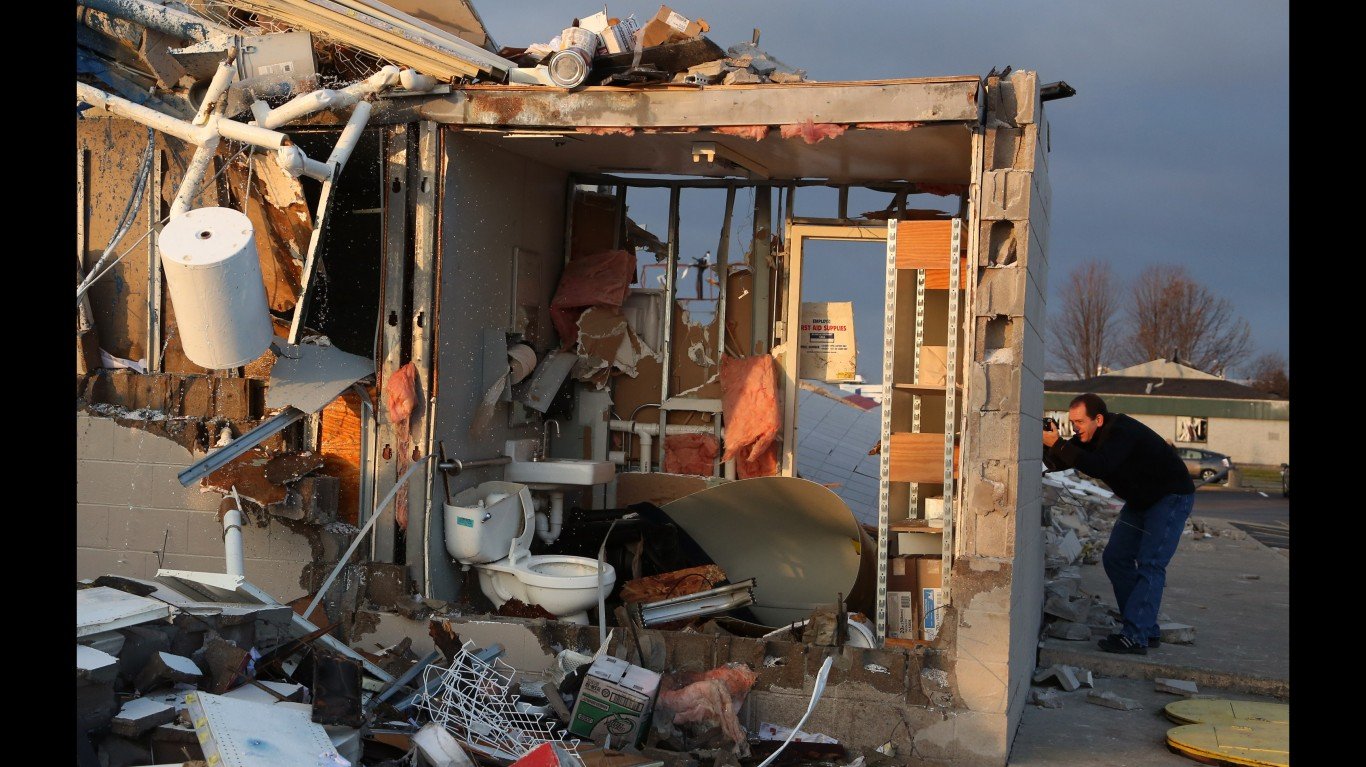
The fire takes less than an hour. It destroys a 63-year-old photographer’s camera bodies, lenses, lighting rigs, backdrops, and much of the small studio he owns. Rebuilding will take months. Two insurance payments follow. One provides $120,000 to replace the damaged studio and equipment. Another provides $30,000 for the weddings and portrait sessions he cannot photograph while the doors remain closed.
Both checks come from the same insurer because of the same fire. Social Security treats them differently. The money for burned cameras replaces property. The money for canceled weddings replaces business income. For a photographer collecting Social Security before FRA, only the second payment can enter the retirement earnings test.
The Business Account Does Not Decide
The Social Security earnings test counts wages and net earnings from self-employment. Wedding fees count. Portrait revenue counts. Profit from selling prints counts. The agency is looking for money connected with the photographer’s work, not every deposit reaching his studio account.
Insurance proceeds for damaged business property follow another path. Social Security regulations exclude gains and losses arising from the destruction or involuntary conversion of business property that was not held for sale to customers. Cameras, lighting equipment, and the studio building fit that description. The $120,000 may appear on the business ledger, but it does not represent a busy photography season. It replaces assets the fire took. Social Security does not count it as net self-employment earnings merely because the payment reached a business bank account.
The Canceled Weddings Follow the Income They Replace
Business-interruption coverage is different. It exists to replace profits lost while the business is closed. The IRS tells sole proprietors to report lost-income insurance payments on Schedule C, even when the business is inactive when the money arrives. That reporting flows into the studio’s net profit and, generally, the photographer’s net self-employment earnings. Those earnings count under Social Security’s test until he reaches full retirement age (FRA), which is 67 in his case.
The $30,000 payment is not automatically the final number Social Security uses. Allowable business expenses can reduce net profit. Income from sessions completed before the fire also joins the calculation. What matters is his net self-employment earnings for the entire calendar year. In 2026, someone below that age for the full year can earn $24,480 before benefits are withheld. Above the limit, Social Security generally holds back $1 for every $2 of excess earnings. The withheld months are reflected in a later benefit recalculation, but the immediate loss of cash flow remains real.
No Earnings Test Does Not Mean No Tax Calculation
The property payment still needs attention at tax time. The IRS treats insurance money received after a fire as an involuntary conversion. The payment is compared with the adjusted basis of each damaged asset. If proceeds exceed that basis, the owner may have a taxable gain, although buying qualifying replacement property within the allowed period can sometimes postpone it.
Depreciated cameras create room for surprises. A lens purchased for $6,000 may have little adjusted basis left by the time it burns. An insurance payment close to its replacement value can therefore produce a tax gain even though the photographer does not feel richer.
That gain still does not become self-employment earnings merely because some of it receives ordinary-income treatment under depreciation rules. Social Security specifically excludes gains from the involuntary conversion of qualifying business property when calculating net earnings from self-employment. A tax bill can exist without an earnings-test bill. Any recognized gain can also raise adjusted gross income, make more of his Social Security taxable, or influence Medicare premiums once the two-year lookback reaches that return.
What to Separate Before Filing
Three steps keep one fire from becoming one undifferentiated pile of income:
- Obtain the insurer’s written allocation. The settlement should show how much replaces the building and equipment, how much covers cleanup or other expenses, and how much replaces lost income.
- Reconstruct the basis of damaged assets. Purchase records, depreciation schedules, and replacement invoices determine whether the property payment creates a taxable gain.
- Project the studio’s net earnings for the year. Include business-interruption proceeds and income earned before reopening, then compare the expected profit with Social Security’s annual limit.
Social Security does not ask where the insurance money landed. It asks what the policy replaced. The burned cameras were property. The canceled weddings were earnings that never had the chance to arrive.
Contact [email protected] for any questions or corrections.
Gerelyn Terzo is the author of dividend investing handbook "Dividend Investing Strategies: How to Have Your Cake & Eat It Too." A veteran financial journalist, she covers agri-finance for outlets like Global AgInvesting and the broader stock market and personal finance for 24/7 Wall Street. She began at CNBC and later helped launch Fox Business in New York. Gerelyn currently resides in Woodland Park, Colorado and dabbles in nature photography as a hobby.