He Farms 700 Acres and May Barely Break Even. Social Security Doesn’t Count the Crop Check, It Counts What’s Left After Diesel and Fertilizer
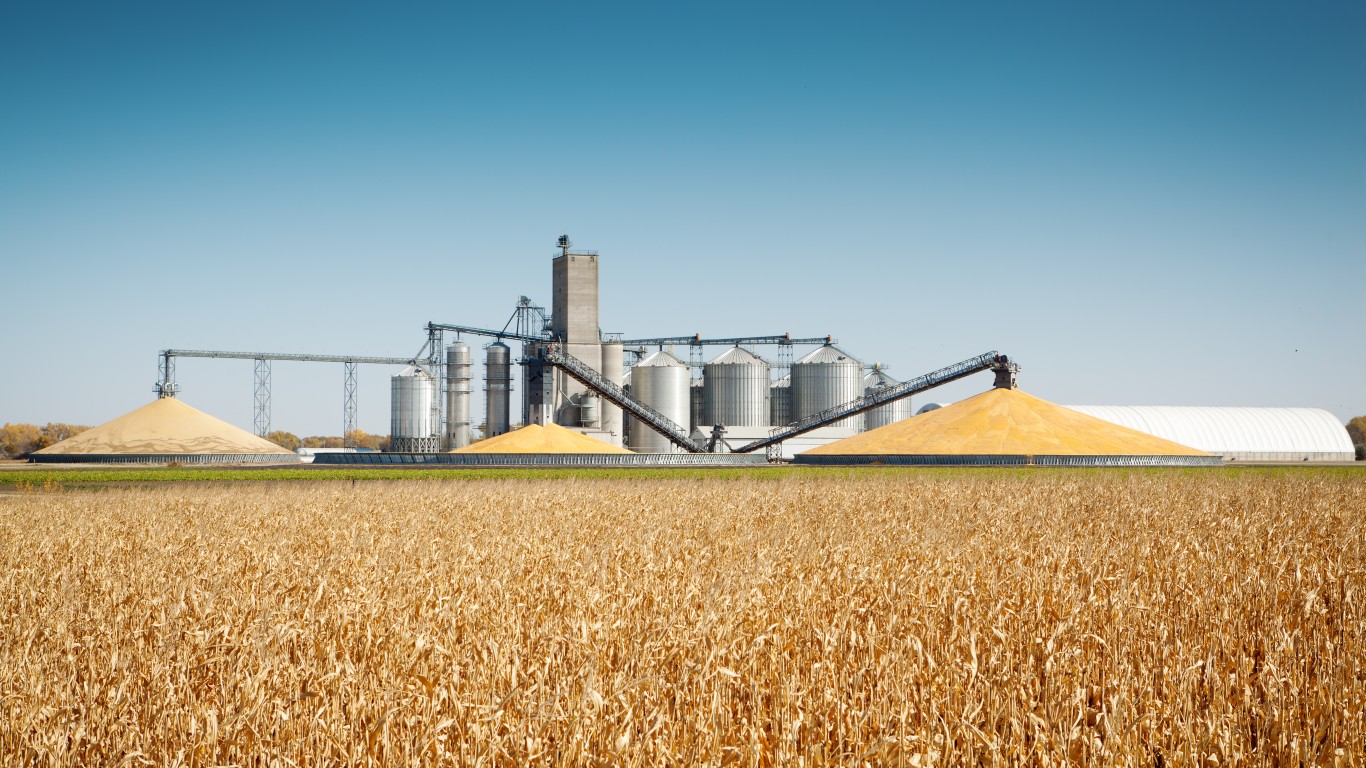
A 700-acre corn and soybean operation can move $300,000 worth of grain and still leave a farmer with almost nothing on his Social Security earnings record, and the reason comes down to a calculation most farmers never think to check…

This post may contain links from our sponsors and affiliates, and Flywheel Publishing may receive compensation for actions taken through them.

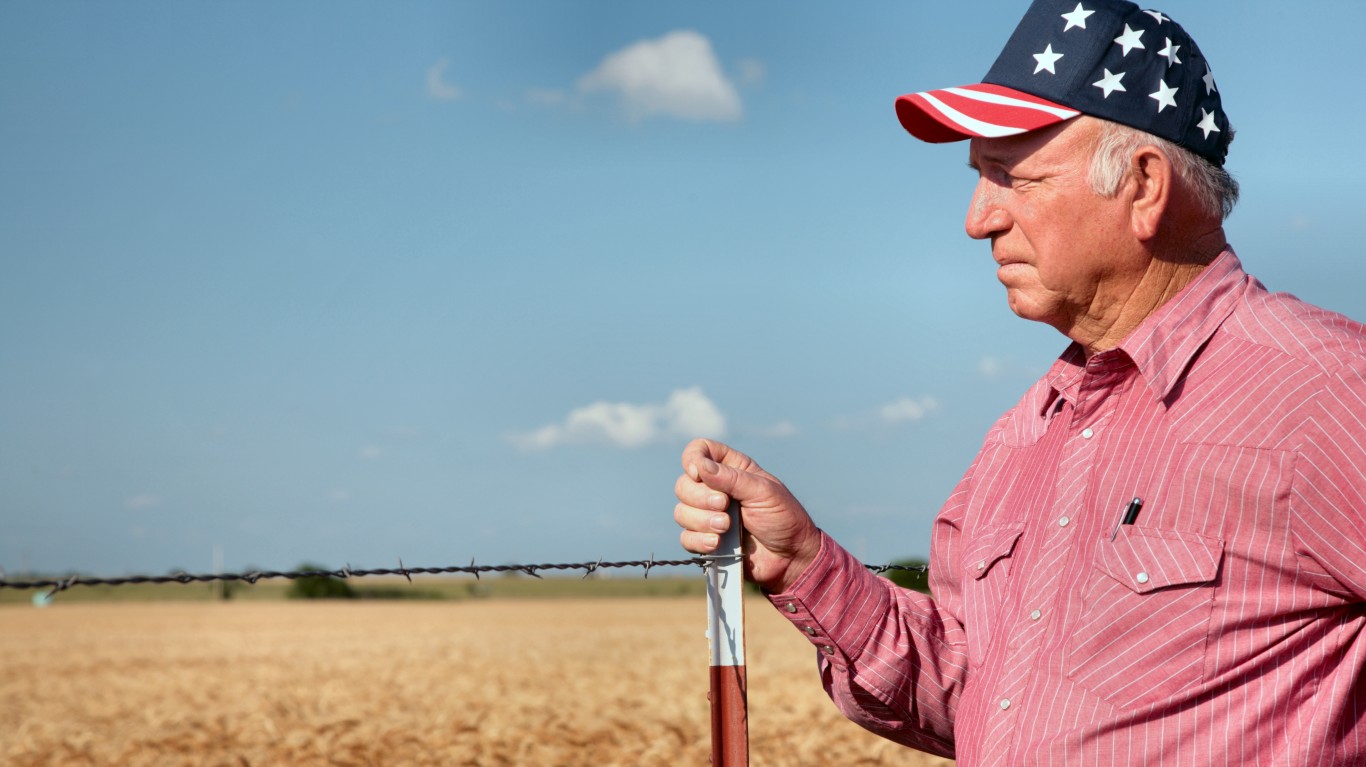
Picture a 64-year-old farmer who works about 700 acres of corn and soybeans. Diesel and fertilizer have gotten expensive enough that he may barely break even this year.
Regular gas now averages about $4.50 a gallon, up from about $2.80 in January. Gas is only a stand-in for his diesel bill, but it shows how fast engine costs have risen in 2026.
That pressure matters more than his sales total under Social Security rules. A self-employed farmer’s earnings record is built from what’s left after allowable business expenses and depreciation. That means a big harvest check can still add up to a small Social Security year.
How a $300,000 Crop Check Becomes $15,000 of Countable Earnings
Say his farm brings in $300,000 of gross crop income. His allowable farm expenses and depreciation come to $285,000. That leaves $15,000 of Schedule F profit, only 5% of what he sold.
That profit then flows to Schedule SE. Under the regular method, net earnings from self-employment are generally 92.35% of the farm profit, so $15,000 becomes about $13,853 of Social Security-covered self-employment earnings
Fuel, fertilizer, seed, repairs, hired labor and depreciation reduce that figure, and each must be a legitimate deductible expense tied to the farm business.
Whether a Thin Year Actually Dents His Benefit
Social Security calculates retirement benefits from your highest 35 years of earnings. At 64, he may still be adding years to that record, so a $15,000 year can matter depending on what it replaces.
If his record includes a zero year from his twenties, $15,000 swaps in and pushes his average up. If all 35 best years are well above $15,000, the weak year drops out and his benefit doesn’t change. He still earns the maximum four Social Security credits for the year. In 2026, one credit requires $1,890 of covered earnings, or $7,560 for all four, and his roughly $13,853 of net self-employment earnings clears that threshold.
A true loss works much the same way. If expenses exceed income, the farm can end up with no regular self-employment earnings for the year. It never creates negative Social Security earnings that wipe out wages from other years. Some lower-income farmers can use a special optional method to report covered earnings anyway, even when the farm barely makes money or loses it.
Already Claiming? The Earnings Test Uses Net Too
If he started benefits before full retirement age, the earnings test applies. In 2026, Social Security holds back $1 for every $2 earned above $24,480.
If the full $300,000 crop check counted, the math would imply a $137,760 earnings-test cut. It doesn’t. The test uses net earnings from self-employment. With roughly $13,853 under the regular method, he remains below the $24,480 limit and nothing is withheld.
Every Deduction Cuts Two Ways Late in a Career
Each allowable deduction lowers his taxes today. It cuts his income tax and self-employment tax, and also lowers the earnings credited toward his future benefit. Taking big depreciation on a new planter this year saves tax now and reduces this year’s Social Security earnings.
For a farmer whose record already holds 35 stronger years, a weak farm year may never enter the benefit calculation at all. If his record has gaps or lower years, higher net earnings can increase the benefit that later receives annual cost-of-living adjustments (COLAs), with current forecasts clustering in the mid-3% range for 2027.
Numbers to Pull Before Estimating His Social Security Year
- Gross farm income: every crop sale, including grain sold under contract or stored and sold after harvest.
- Allowable farm expenses: fuel, fertilizer, seed, chemicals, repairs and hired labor tied to the farm business.
- Depreciation: equipment, buildings and other assets, since timing choices here can swing net earnings year to year.
- Agricultural program payments: many federal farm payments are reported as farm income, but the treatment can vary. For example, someone already receiving Social Security retirement benefits can exclude certain Conservation Reserve Program payments when calculating self-employment tax.
- Net earnings for self-employment tax: the final Schedule SE figure, which reaches his earnings record.
Once he has those numbers, compare this year’s net against his earnings statement. That shows whether a weak year replaces something or drops away. The toughest mistake would be making a claiming decision from the gross crop figure. That number can dramatically exaggerate the earnings Social Security will actually see after genuine farm expenses and depreciation.
A 700-acre farm can move a lot of grain and a lot of money without producing a big Social Security year. Every farm’s books are different, so it’s worth having a tax expert who knows farm returns check his figures before he makes a claiming decision.
Contact [email protected] for any questions or corrections.
Gerelyn Terzo is the author of dividend investing handbook "Dividend Investing Strategies: How to Have Your Cake & Eat It Too." A veteran financial journalist, she covers agri-finance for outlets like Global AgInvesting and the broader stock market and personal finance for 24/7 Wall Street. She began at CNBC and later helped launch Fox Business in New York. Gerelyn currently resides in Woodland Park, Colorado and dabbles in nature photography as a hobby.