The Frost Wiped Out His Cherry Crop at 63. One Tax Choice Decided Which Year Social Security Counted the Insurance Check.
A late frost killed the cherries and triggered an insurance check, but for a 63-year-old farmer already collecting Social Security, one obscure tax election determines which year that money lands and which year Social Security takes notice.

This post may contain links from our sponsors and affiliates, and Flywheel Publishing may receive compensation for actions taken through them.

A Frost, an Insurance Check, and a Claiming Choice Colliding
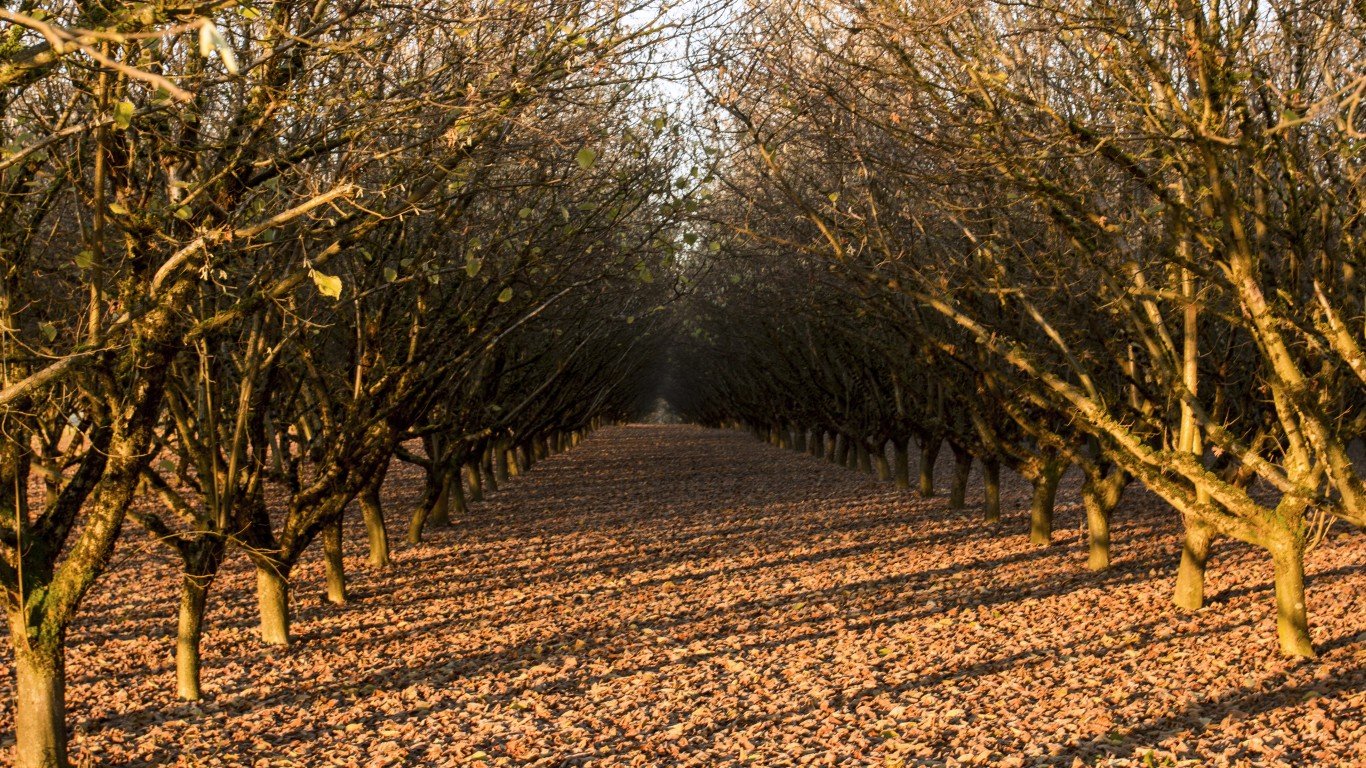
A tart-cherry grower in his early sixties watches a late spring frost sweep through the orchard. The trees survive. The crop does not. An adjuster files the paperwork, and a few weeks later an insurance check lands in the mailbox.
He is 63, already collecting Social Security, and still working the farm. The payment replaces income lost with the cherries, but it also creates a choice: report the money this year or, if he qualifies, move it into the next one. That tax decision can change when Social Security feels the impact.
The Decision That Moves the Needle
Cash-method farmers generally report crop-insurance proceeds in the year they receive them. Section 451(f) of the Internal Revenue Code offers an exception when three conditions line up: the proceeds arrive in the same tax year the crop is damaged, the farmer uses cash accounting, and his normal business practice would have placed more than half of the crop’s income in a later year.
Suppose this grower normally receives most of his processor payments after New Year’s. IRS Publication 225 may allow him to postpone eligible insurance proceeds until the following tax year. The choice is made with the return and an attached statement. It covers all eligible proceeds from that farming business for the year and generally cannot be changed afterward without IRS approval.
The type of payment matters. With a revenue insurance policy, only the portion tied to yield loss from physical crop damage can be deferred. A payment caused by falling prices cannot. Weather-policy proceeds also stay in the current year when the payment is based on an index such as rainfall instead of actual damage to the crop. The decision moves the income once. It does not erase it.
Why Social Security Follows Schedule F
The retirement earnings test counts wages and net earnings from self-employment before full retirement age (FRA). In 2026, someone under that age for the entire year can earn up to $24,480 before benefits are withheld. Above the limit, Social Security generally holds back $1 for every $2 of excess earnings. Crop-insurance proceeds reported on Schedule F feed into the farm’s net profit calculation. That profit, after allowable expenses, generally flows into net self-employment earnings. A five- or six-figure payment can therefore push a working farmer well above the annual limit.
If he makes the Section 451(f) election, the eligible proceeds move into the following year’s farm-income calculation. Any effect on net self-employment earnings and the retirement earnings test generally moves with them. The better year is not automatically the later one. A weak season ahead may give the payment room to land. A strong crop, higher prices, or additional custom work could make deferral more expensive than reporting the insurance money now. At 63, this grower remains subject to the earnings test in either year, so the decision turns largely on which calendar already carries more farm profit.
The Same Choice Reaches Beyond Social Security
Moving the proceeds can also shift the income-tax bill, the taxable share of Social Security benefits, and a possible Medicare income surcharge two years later. Planned equipment purchases and other deductible farm expenses may change the comparison again. The insurance payment is movable, but only between two calendars. The useful question is which year has more room for it after expected sales, expenses, taxes, and benefit withholding are placed alongside one another.
What to Settle Before Filing
Three checks can keep the election from becoming another weather surprise:
- Confirm that the payment qualifies. Separate proceeds tied to physical yield loss from amounts caused by prices, indexes, or other triggers.
- Verify the farm’s reporting history. The farmer must be able to show that his normal practice would have placed more than half of the damaged crop’s income in a later tax year.
- Model both years. Compare expected Schedule F profit, the Social Security earnings limit, federal taxes, and any future Medicare surcharge before choosing where the proceeds belong.
Benefits withheld under the earnings test are not necessarily gone forever. Social Security credits the withheld months when it recalculates the benefit at full retirement age, although the current cash-flow loss remains real. The frost chose the year the crop disappeared. The tax election chooses the year its replacement income arrives. For a farmer collecting Social Security early, those do not have to be the same year.
Contact [email protected] for any questions or corrections.
Gerelyn Terzo is the author of dividend investing handbook "Dividend Investing Strategies: How to Have Your Cake & Eat It Too." A veteran financial journalist, she covers agri-finance for outlets like Global AgInvesting and the broader stock market and personal finance for 24/7 Wall Street. She began at CNBC and later helped launch Fox Business in New York. Gerelyn currently resides in Woodland Park, Colorado and dabbles in nature photography as a hobby.