He Was Paid $40,000 to Store Carbon in His Soil. Would Social Security Treat Regenerative Ag Payment as Work?
A farmer pockets $40,000 for keeping carbon in the ground without selling a single bushel, and now Social Security has to decide whether that money came from his labor or his land. The answer could shrink his monthly checks.

This post may contain links from our sponsors and affiliates, and Flywheel Publishing may receive compensation for actions taken through them.

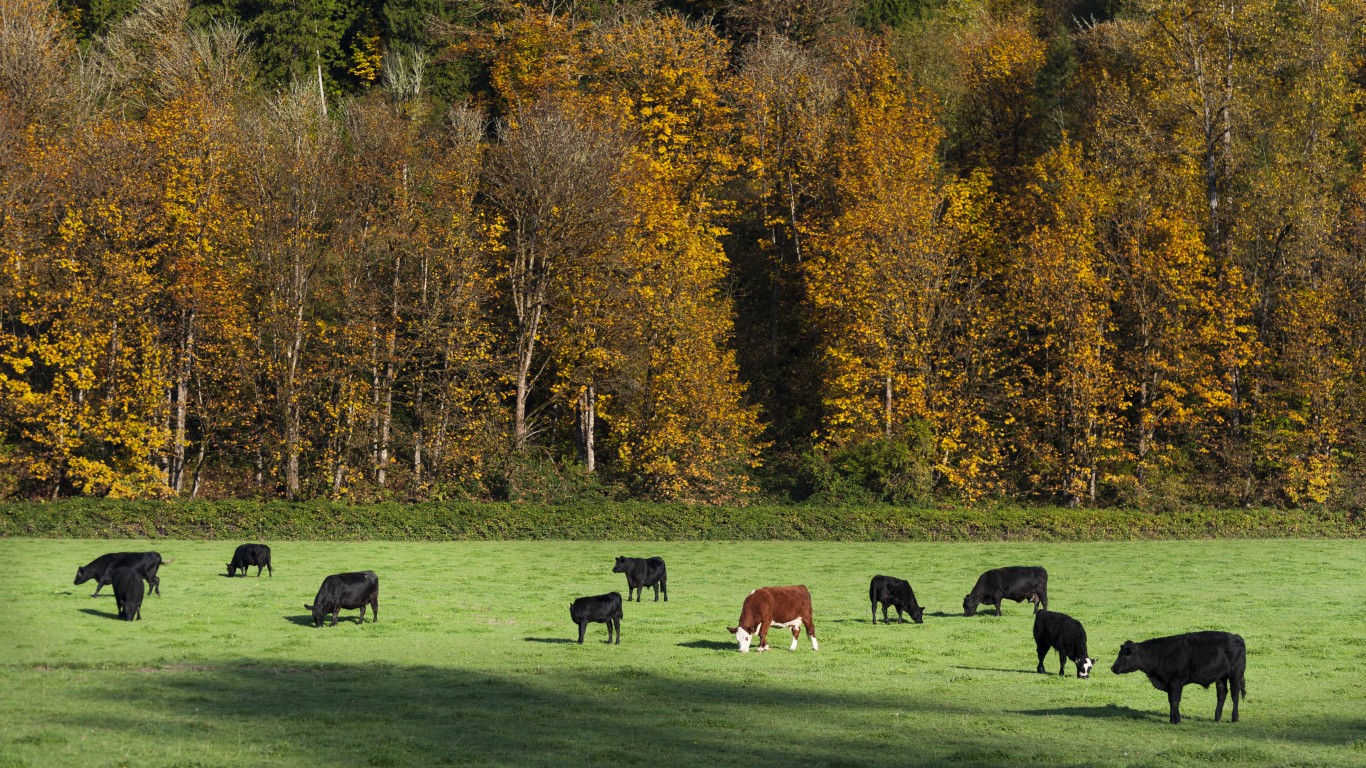
A corn-and-soybean farmer signs a contract promising to disturb his fields less, plant cover crops and keep more carbon in the soil. The program measures the practices, estimates the climate benefit and sells the resulting credits to a company trying to offset part of its emissions. His share comes to $40,000. He did not sell a bushel of corn. He was paid for what stayed underground.
Then comes the retirement question: Does Social Security see the income as a return from his land, or as money earned by continuing to work it? The response depends on his age, whether he has started collecting benefits and whether the payment grew out of active farm work or rights attached to the land. Social Security can treat those two paths differently.
Social Security First Looks at the Farmer
The retirement earnings test matters only when someone has claimed Social Security before reaching full retirement age (FRA). If this farmer has not claimed yet, there is no current benefit for the payment to reduce. If he has reached FRA, earnings no longer reduce his checks. The issue becomes important if he started collecting early and is still below that age.
In 2026, someone below FRA for the entire year can have up to $24,480 in wages and net self-employment earnings before benefits are withheld. Above that amount, Social Security generally holds back $1 for every $2 of excess earnings. Investment income, most rent and capital gains ordinarily stay outside the test. Net earnings from a farming business do not. That makes the next question decisive. Was the $40,000 generated by his work, his property or some combination of the two?
What Did the Carbon Company Buy?
Carbon contracts do not all purchase the same thing. One may pay a farmer to plant cover crops, change rotations, reduce tillage, submit field records and maintain those practices for several years. Another may emphasize verified credits, access to the land or restrictions on how the property can be used.
When payment depends on the farmer actively changing and managing the operation, it can resemble ordinary farm income. The IRS says income from cultivating, operating or managing a farm generally belongs on Schedule F. Its guidance also treats many contract-farming payments as farm income when the grower supplies labor and assumes production risk. Net profit from that activity generally becomes self-employment earnings.
In that case, Social Security would not simply count the entire $40,000 check. Seed, equipment, program fees and other allowable farm expenses could reduce the profit. The earnings test would look at his net self-employment earnings for the year, including the rest of the farm, rather than the headline value of one payment. A contract that genuinely transfers or restricts a property right may receive different treatment. Depending on its substance, the payment might be analyzed as rent, proceeds connected with a property interest or another form of income that does not enter net self-employment earnings.
The wording matters, but it is not magic. Calling a payment a lease does not make it rent if the farmer is really being paid to perform years of work. Referring to it as a carbon credit does not automatically make it a capital gain. Private carbon agreements remain varied enough that the actual obligations matter more than the label printed across the top.
A Check Social Security Ignores Can Still Cost Money
Staying outside the earnings test would not make the payment tax-free. Depending on how it is reported, the $40,000 could still increase adjusted gross income. For someone already collecting Social Security, that may pull more of the benefit into taxable income.
For someone on Medicare, it could also contribute to a higher Part B or Part D premium two years later through the income-related monthly adjustment amount, or IRMAA. Social Security generally uses tax-return information from two years earlier when setting that surcharge. Those are separate calculations. A payment can leave the monthly Social Security benefit untouched by the earnings test while still increasing the taxes owed on that benefit or a future Medicare premium.
Before the Contract Takes Root
Three checks can reveal where the money is likely to land:
- Ask what the farmer must do after signing. Planting, recordkeeping, monitoring, verification and long-term management obligations point toward active work. Restrictions placed on the property may support a different analysis.
- Ask how the carbon company expects to report the payment. Its answer is not legally conclusive, but the expected tax form and supporting documents give the farmer’s tax professional somewhere to begin.
- Model the result before spending the check. If he has claimed Social Security early, compare his projected net self-employment earnings with the annual limit. Then check the separate effects on income taxes and future Medicare premiums.
The contract may still be an excellent deal. It can reward practices that improve the soil, create another source of farm revenue and give the landowner a reason to keep investing in the ground beneath him. The carbon stays in the field. Whether the income stays out of Social Security depends on what he promised to do for it.
Contact [email protected] for any questions or corrections.
Gerelyn Terzo is the author of dividend investing handbook "Dividend Investing Strategies: How to Have Your Cake & Eat It Too." A veteran financial journalist, she covers agri-finance for outlets like Global AgInvesting and the broader stock market and personal finance for 24/7 Wall Street. She began at CNBC and later helped launch Fox Business in New York. Gerelyn currently resides in Woodland Park, Colorado and dabbles in nature photography as a hobby.