He Retired From Farming. So Why Is Social Security Counting Money From Last Year’s Crop?
A farmer can stop working in December and still watch Social Security withhold benefits the following spring when grain checks and federal program payments arrive. Whether that income counts against the earnings limit depends on a distinction the tax return…

This post may contain links from our sponsors and affiliates, and Flywheel Publishing may receive compensation for actions taken through them.
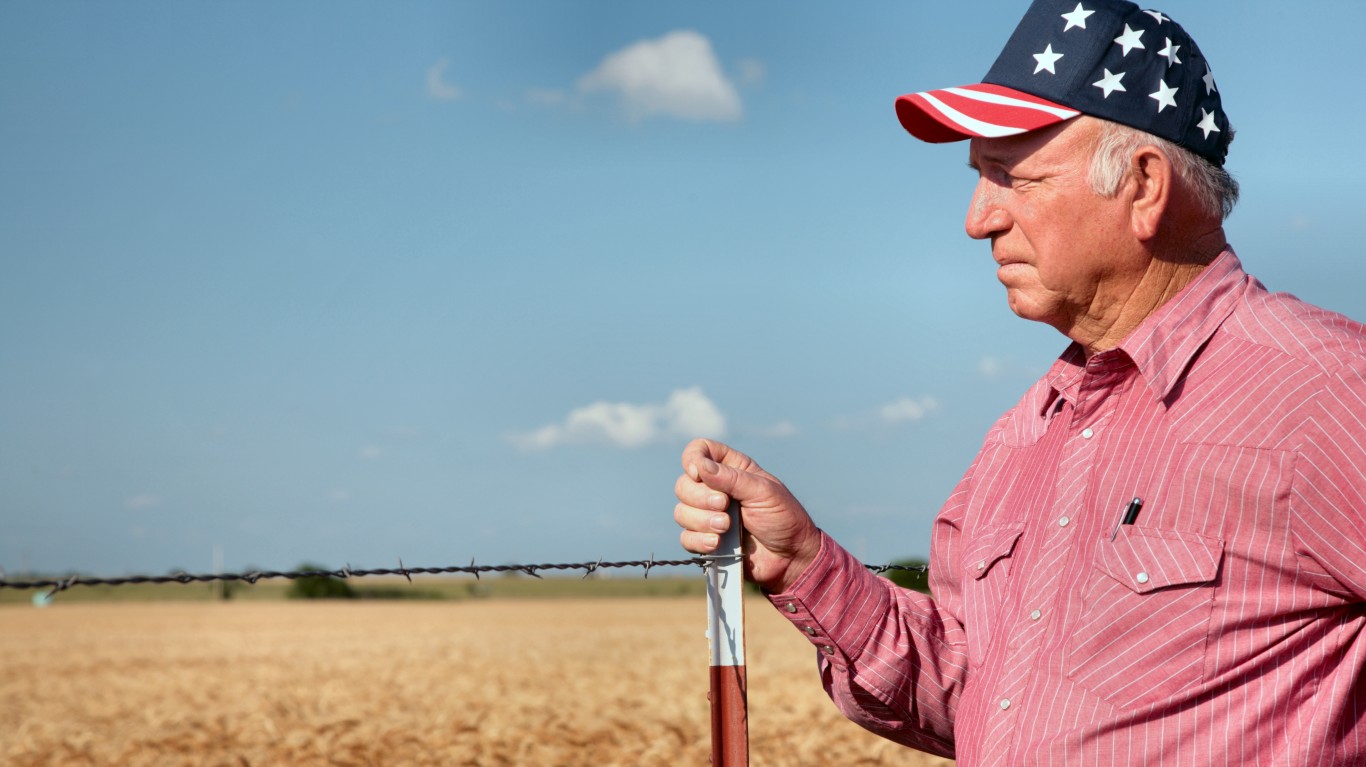
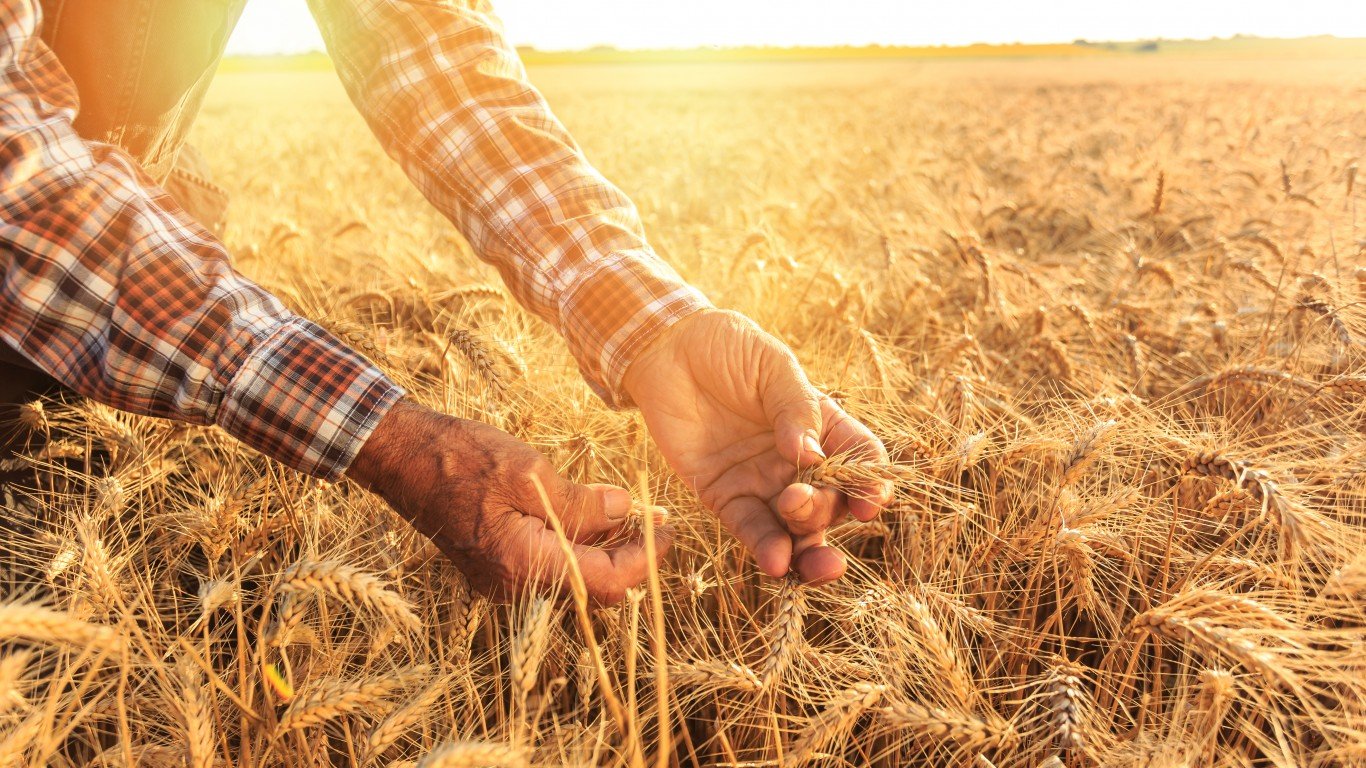
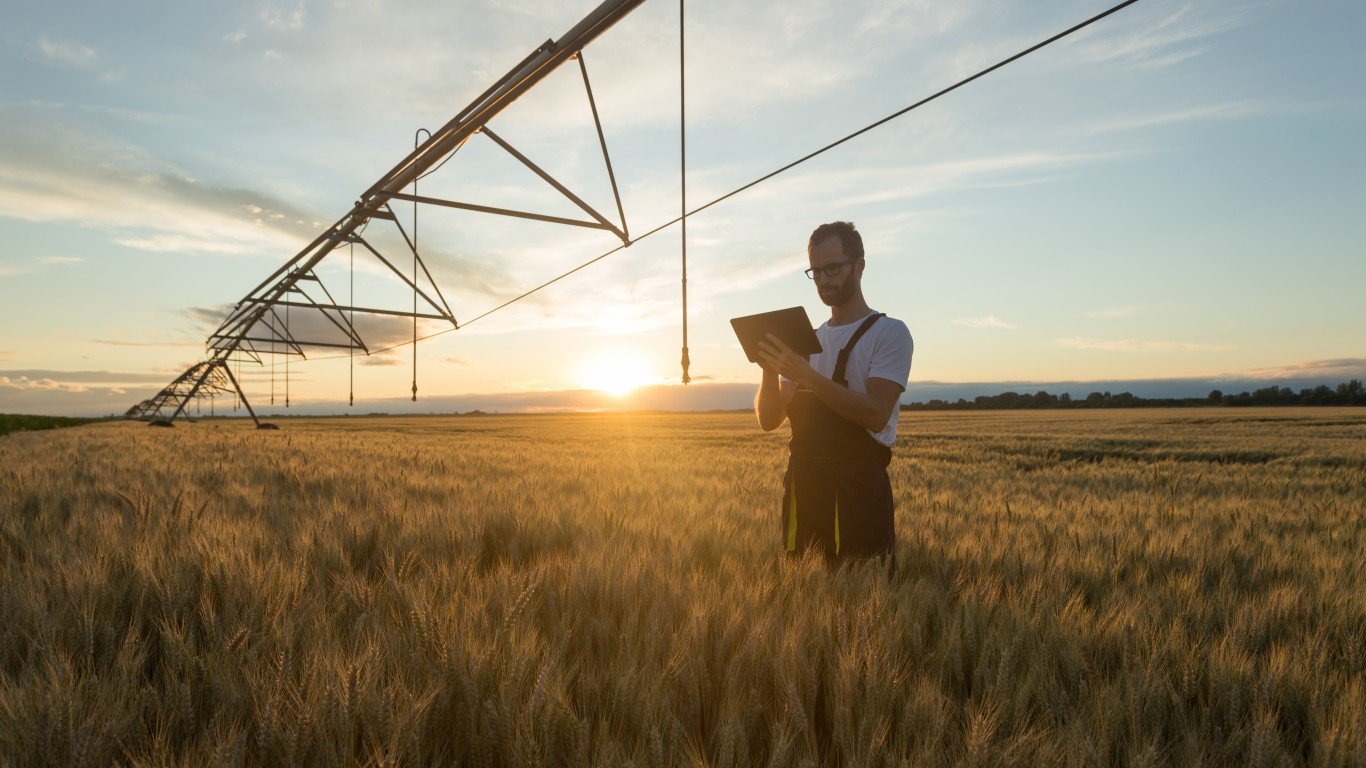
Picture a farmer who spent 40 years working corn and soybean ground. He harvests and stores his final crop, retires at 64 near the end of the year, and starts Social Security. The following spring, a grain elevator cuts a check for those bushels. A few months later, an agricultural-program payment arrives tied to acres planted before he retired. Then Social Security sees farm income above the earnings limit and begins withholding benefits.
The work stopped. The money did not. That gap trips up newly retired farmers because a self-employment tax return can show substantial income without explaining when the labor behind it occurred. The good news is that Social Security’s rules anticipate this situation. The catch is that the agency cannot tell one crop year from another without help from the farmer.
Why the Earnings Test Matters Before FRA
If you claim Social Security before full retirement age (FRA), the earnings test applies. For someone born in 1960 or later, FRA is 67. In 2026, a retiree who remains below that threshold all year can earn $24,480 before Social Security withholds $1 in benefits for every $2 above the limit.
That withholding is separate from the permanent reduction for claiming early. A farmer who files at 64 accepts a smaller monthly benefit for life. The earnings test can then temporarily hold back some of those already-reduced checks if current work income exceeds the limit. Here is the piece most people miss: certain income received after retirement can be excluded when it came from services completed before Social Security benefits began. For a farmer, the crop year and the payment year may tell two different stories.
The Rule Written for Last Year’s Crop
Social Security calls these late-arriving amounts special payments. For self-employed people, qualifying net income received after the first year of retirement may be excluded from the earnings test when the services that produced it were performed before Social Security entitlement. Farmers are one of the occupational groups Social Security specifically identifies. Common examples include:
- Carryover crops. The farmer fully harvested and stored the grain before or during the month benefits began, then sold it the following year.
- Federal agricultural-program payments connected to farming activity completed before retirement.
- Certain final settlements from cooperatives or elevators that can be traced to grain produced or delivered before benefits began.
The check may arrive during retirement, but the combine work, management decisions, and other services required to produce it are already finished. That distinction has a boundary. If the farmer plants another crop, runs equipment, negotiates sales, or continues making substantial management decisions after claiming benefits, income tied to those services may count as current self-employment earnings. The rule protects old work paid late. It does not turn ongoing farming into retirement income.
The Paper Trail Social Security Cannot See
Social Security generally receives the farmer’s net self-employment income through the federal tax return. What it may not receive is the history behind the number. A return showing $50,000 of farm income does not explain that the grain was harvested and stored before retirement.
That is why Social Security specifically instructs farmers with carryover-crop income or federal agricultural-program payments to report the circumstances. Form SSA-131 is intended for special wage payments from an employer, so it is not the form a self-employed farmer would normally file. Instead, the farmer should contact Social Security and explain that part of the reported net income came from pre-retirement services.
Elevator statements, storage records, sale receipts, crop-production records, program-payment notices, and the prior year’s farm records can establish the timeline. The tax return provides the number. The filing cabinet tells Social Security what the number means. Without that explanation, the agency may apply the earnings test first and ask questions later. Correcting the record can restore benefits that should not have been withheld, but that does not help with the bills arriving while the case is being sorted out.
How It Fits With the Rest of Retirement Income
Exclusion from the earnings test does not make the crop proceeds tax-free. The income can still appear on the farmer’s return, increase the taxable share of Social Security, and potentially affect Medicare premiums two years later. Other retirement income follows still different rules. IRA withdrawals, pensions, investment income, and generally cash rent from farmland do not count against the earnings test. A crop-share or other arrangement involving material participation can produce a different result, so changing from operator to landlord requires more than changing the name on the check.
Once the farmer reaches FRA, the earnings test disappears. Social Security also recalculates benefits at that point to account for months in which checks were withheld under the test.
What to Do Before Selling the Carryover Crop
Before the first post-retirement grain check arrives, put the crop year on paper:
- Keep records showing when the crop was planted, harvested, stored, and sold, along with the month active farming stopped.
- Contact Social Security if reported self-employment income exceeds the limit and includes carryover crops or agricultural-program payments tied to pre-retirement services.
- Ask a farm tax professional to separate the earnings-test question from the income-tax and Medicare consequences.
Every farm operation looks different, and the line between a retired owner and an active operator can become gray quickly. The rule may be on the farmer’s side, but the grain check cannot explain itself. The records are what prove that this year’s harvest came from last year’s work.
Contact [email protected] for any questions or corrections.
Gerelyn Terzo is the author of dividend investing handbook "Dividend Investing Strategies: How to Have Your Cake & Eat It Too." A veteran financial journalist, she covers agri-finance for outlets like Global AgInvesting and the broader stock market and personal finance for 24/7 Wall Street. She began at CNBC and later helped launch Fox Business in New York. Gerelyn currently resides in Woodland Park, Colorado and dabbles in nature photography as a hobby.